
 10 October, 2026 |
  Admin
Admin
Crane Hire and Outrigger Pads
Planning a crane lift in Qatar means solvi
Read more
Enquire Now
 09 October, 2026 | Admin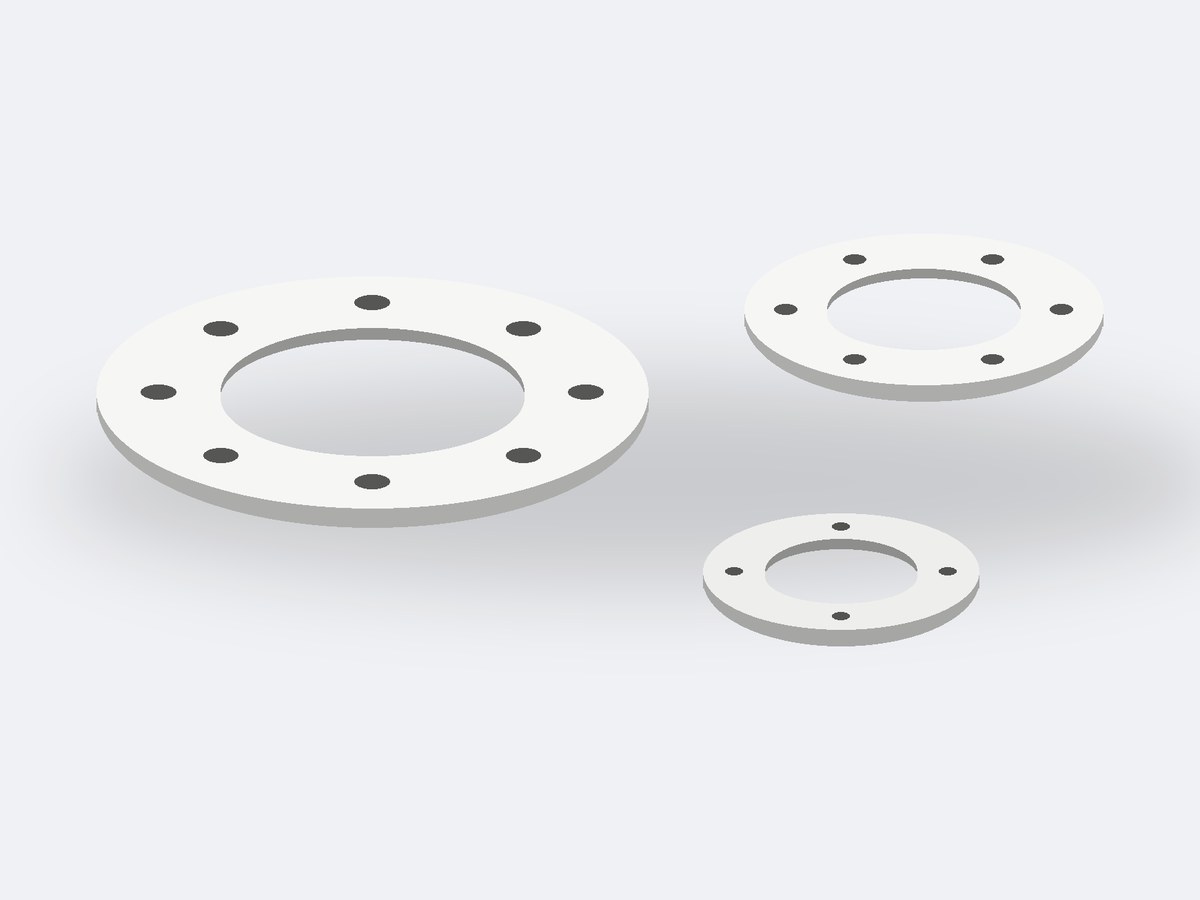
Short answer: flange gaskets fall into three broad groups. Non-metallic cut gaskets (rubber, non-asbestos, PTFE, graphite and cork) suit low to moderate pressures and most utility and chemical lines. Semi-metallic gaskets such as spiral wound and kammprofile suit higher pressures and temperatures. Metallic ring joint (RTJ) gaskets suit the highest pressure classes. This guide compares the main flange gasket types and explains which to use.
| Type | Strengths | Typical services |
|---|---|---|
| Rubber (NBR, EPDM, neoprene) | Seals at low bolt load, economical | Water, air, low-pressure oil and utility lines |
| Non-asbestos (CNAF) | Versatile, good general sealing | Water, oils, low-pressure steam, general process |
| PTFE (virgin, filled, expanded, envelope) | Near-universal chemical resistance, purity | Acids, solvents, food, pharma, water treatment |
| Graphite (plain or reinforced) | High temperature, fire-safe | Steam, thermal oil, hydrocarbons |
| Cork and rubberised cork | Very compressible, low bolt load | Transformer and gearbox covers, light flanges |
These are usually ring (inside bolt circle) or full-face gaskets cut from sheet, made to standards such as ASME B16.21 for ASME B16.5 flanges, or EN 1514-1 for EN 1092-1 flanges.
RTJ gaskets are solid metal rings (oval or octagonal) that seat in grooves machined in RTJ flanges. They are used at high pressure classes in oil and gas, wellheads and high-pressure process lines.
Note: Diode Trading EST supplies the non-metallic cut gasket types in the first table. Spiral wound, kammprofile and RTJ gaskets are described here for context.
Related reading: PTFE gasket types, gasket selection and rubber gaskets for piping. For the full selection process, see our guide on how to choose engineering plastic.
Products: Gaskets & Seal Materials, Ready-Cut Gaskets, PTFE gaskets, non-asbestos gasket sheet, graphite gaskets and cork sheet. Every order from Diode Trading EST is supplied with a Material Test Certificate.
A flange gasket can only be selected correctly when the full service is known. Include these details in your enquiry so we can propose the right cut gasket material or refer you to the right type.
With these details we can recommend PTFE, CNAF, graphite or rubber gaskets cut to size.
Non-metallic cut gaskets (rubber, non-asbestos, PTFE, graphite, cork), semi-metallic gaskets (spiral wound, kammprofile) and metallic ring joint (RTJ) gaskets.
At higher pressures and temperatures, typically in refinery and process piping.
ASME B16.21 for ASME B16.5 flanges, and EN 1514-1 for EN 1092-1 flanges.
PTFE gaskets offer the widest chemical resistance; check our gasket chemical compatibility chart.
See our range of high-visibility safety mats and markers designed to reduce trip hazards across your site.
 10 October, 2026 | Admin
Planning a crane lift in Qatar means solvi
Read more