
 19 September, 2026 |
  Admin
Admin
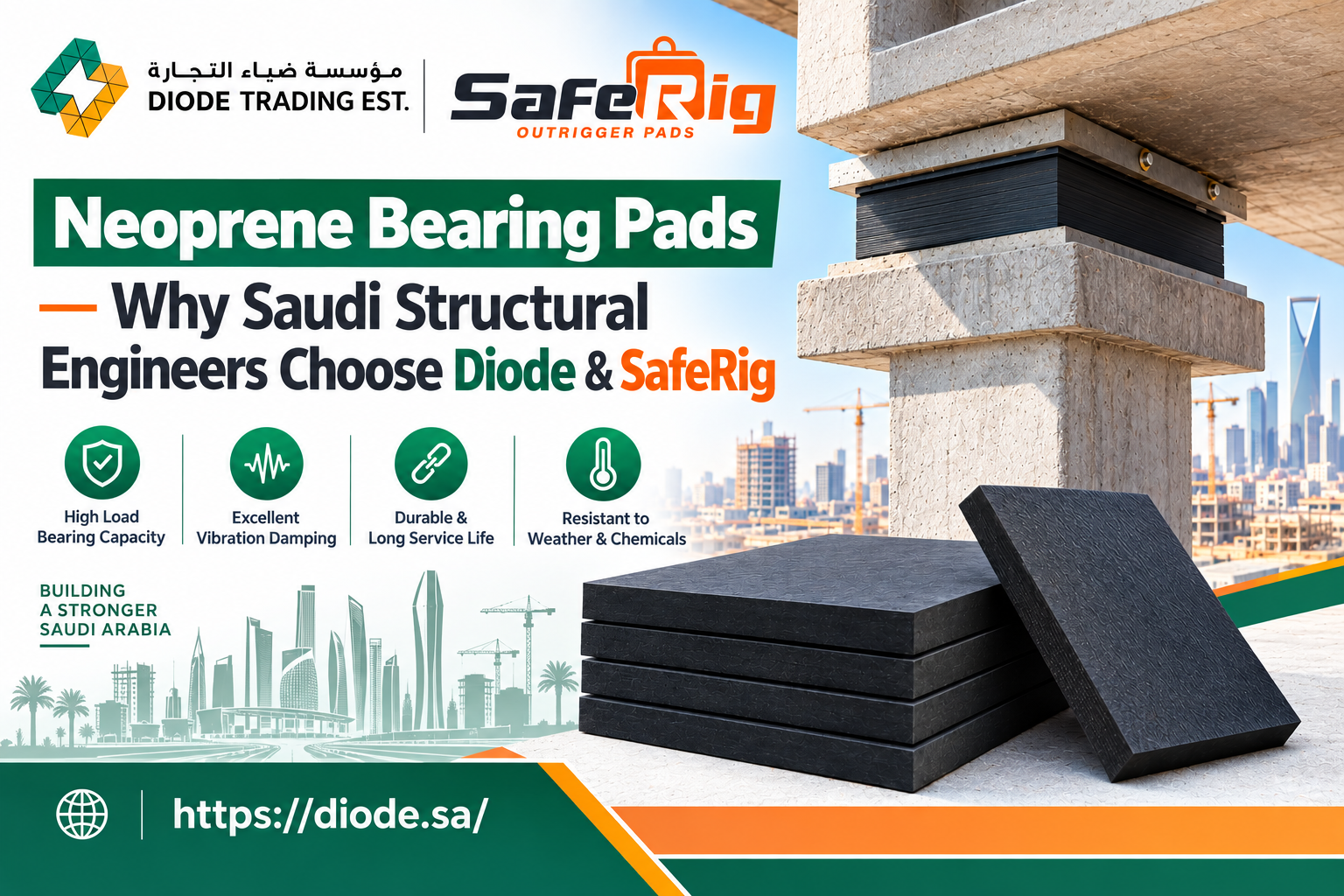
Bridge Bearing Pads — Diode&
Saudi Arabia's road and rail infrastructure b
Read more
Enquire Now
 30 August, 2026 | Admin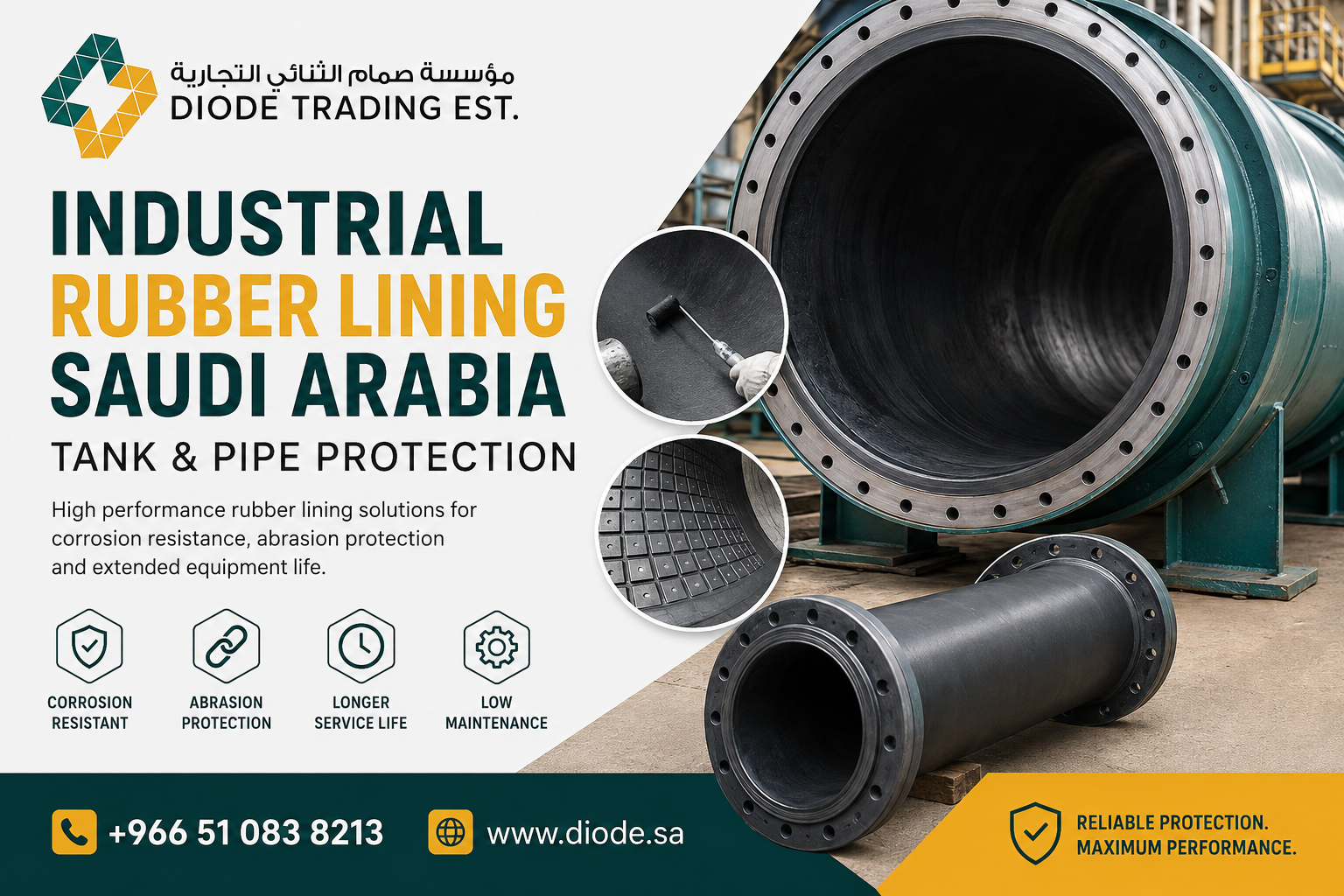
Industrial rubber lining Saudi Arabia plants specify when a steel tank holding a corrosive slurry has two ways to survive long-term: get replaced every few years, or get lined with rubber that takes the abuse Rubber Mats instead of the steel underneath.
Natural rubber, neoprene, and nitrile each resist different things. Tell us what’s going through the vessel and we’ll match the compound to it, rather than defaulting to whatever lining is fastest to source.
Lining is bonded to the prepared steel substrate in sheet form, then vulcanized or cured in place so the rubber forms a continuous, seamless barrier over welds, corners, and nozzles. Surface preparation, primer selection, and cure time all affect how long the lining lasts, which is why we specify each step rather than treating lining as a generic add-on.
Tank and vessel lining is the most common application, but the same principle covers pipe interiors carrying abrasive or corrosive slurry, scrubber ducting in process plants, and chute and hopper liners in mineral handling. Petrochemical, mining, and water treatment sites across the Kingdom all rely on rubber lining to extend equipment life well beyond what bare steel would achieve.
Thickness depends on the abrasion and impact severity of the service, typically ranging from a few millimetres for light chemical protection up to much thicker linings for high-abrasion slurry service. Compound selection follows the chemistry: natural rubber suits many general abrasion duties, neoprene handles a broader range of chemicals and weathering, and nitrile is the usual choice where oils or hydrocarbons are present alongside the abrasive media.
Send us the vessel or equipment drawing, the fluid or slurry composition, and the operating temperature, and our team will recommend a lining compound and thickness for the application, along with an installation or supply-only quote depending on what your project needs.
Rubber-to-metal bonding for tank and vessel lining is generally tested against ASTM International adhesion and abrasion standards, which give a useful reference point when comparing lining quotes or checking a completed job. After installation, a spark test or holiday test is the standard way to check for pinholes or thin spots in the lining before the vessel goes back into service, and we recommend building a periodic visual inspection into your maintenance schedule rather than waiting for a failure to find a problem.
Rubber lining isn’t the only option for tank and pipe protection. For chemically aggressive service where rubber compounds struggle, our PTFE sheets and products guide covers a more chemically resistant alternative, and where the application is a gasket or seal rather than a full lining, see our rubber gaskets selection guide for material choices in that context. We can help you decide which approach fits your equipment and budget before you commit to a lining job.
A well-installed industrial rubber lining in a moderate-duty tank can last well over a decade before it needs attention, though high-abrasion slurry service will wear it down faster than a static chemical storage tank. Watch for blistering, discoloration, or soft spots during routine inspections, since these are early signs of chemical attack or bond failure rather than problems that will resolve on their own. Catching a small area of damage early and patching it is far cheaper than relining an entire vessel after a larger section fails.
Schedule your industrial rubber lining Saudi Arabia inspection before the next shutdown window, since industrial rubber lining Saudi Arabia teams who track wear proactively avoid the higher cost of an unplanned reline.
See our range of high-visibility safety mats and markers designed to reduce trip hazards across your site.
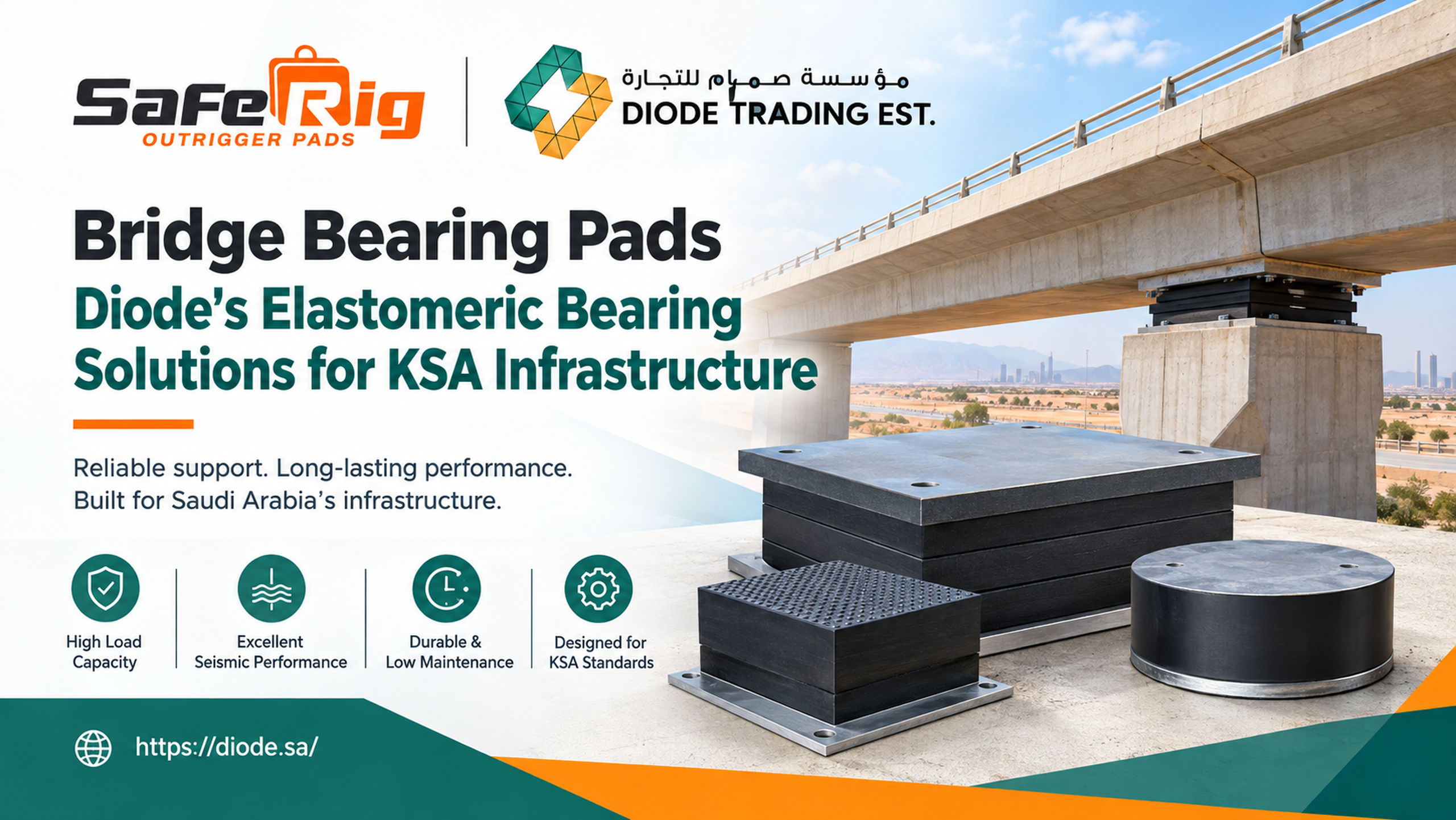 19 September, 2026 | Admin
Saudi Arabia's road and rail infrastructure b
Read more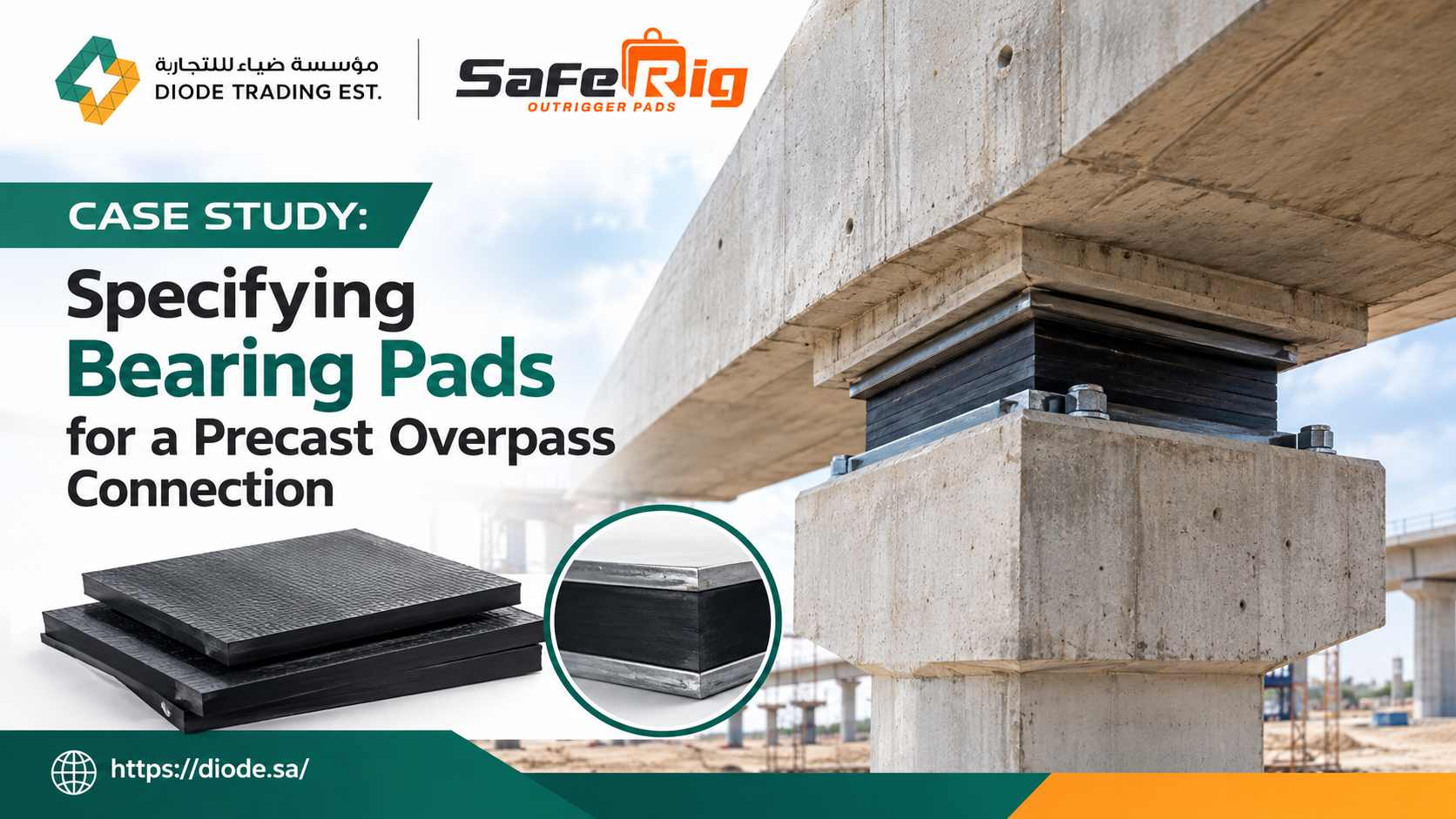 18 September, 2026 | Admin
A structural contractor working on a precast
Read more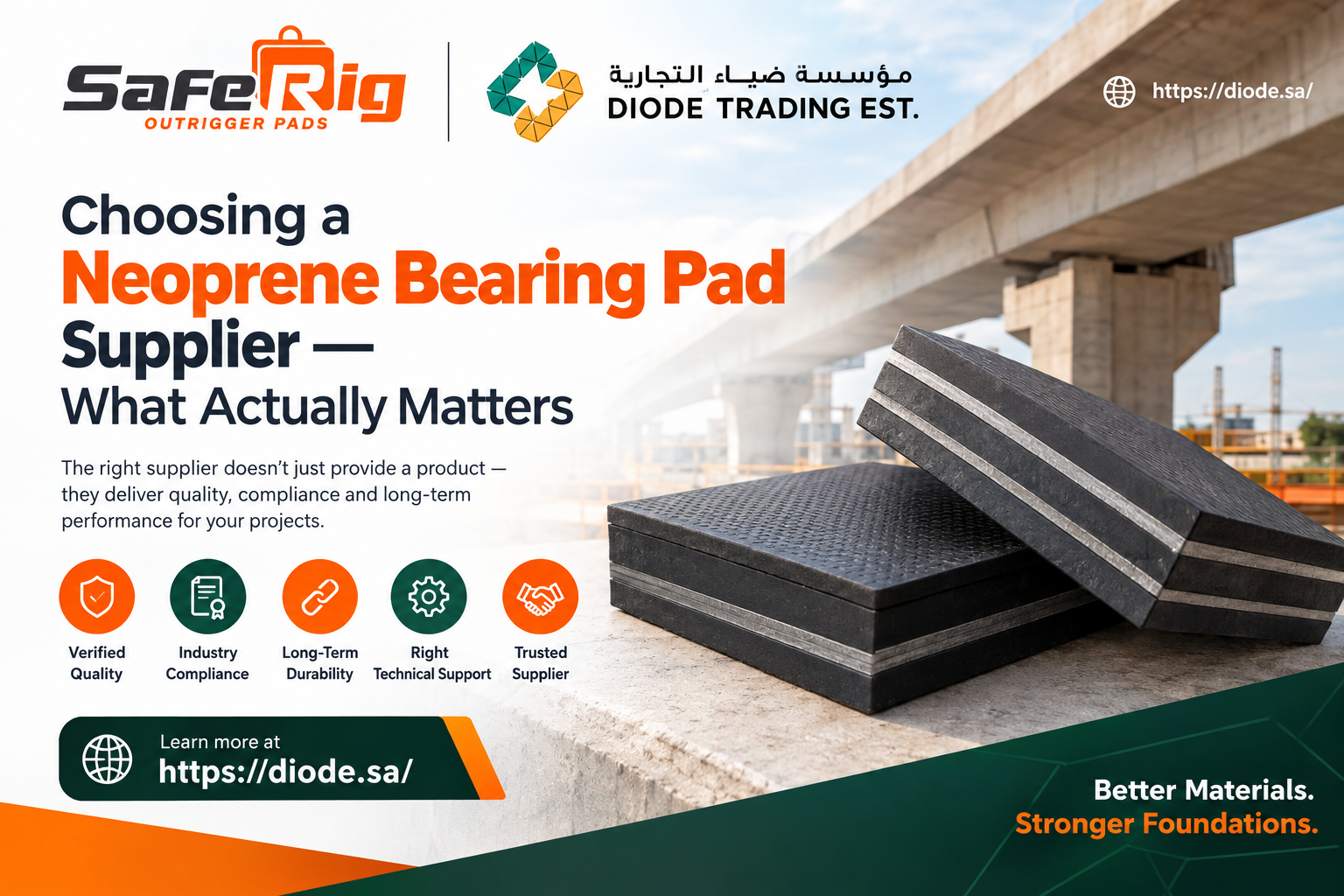 17 September, 2026 | Admin
Neoprene bearing pads are a structural compon
Read more