Bakelite Sheet: Short answer: Bakelite is the common name for phenolic laminate: layers of paper or cotton fabric bonded with phenolic resin. It is a hard, rigid, low-cost electrical insulator that is also used for jigs, wear parts and fixtures. Paper grades are used for insulation, and cotton fabric grades for mechanical parts. Glass epoxy is the higher-performance alternative.
Types
- Paper-based phenolic: used for electrical insulation boards, panels and terminal boards.
- Cotton-fabric phenolic: tougher and better for mechanical parts such as gears, bushes and wear plates.
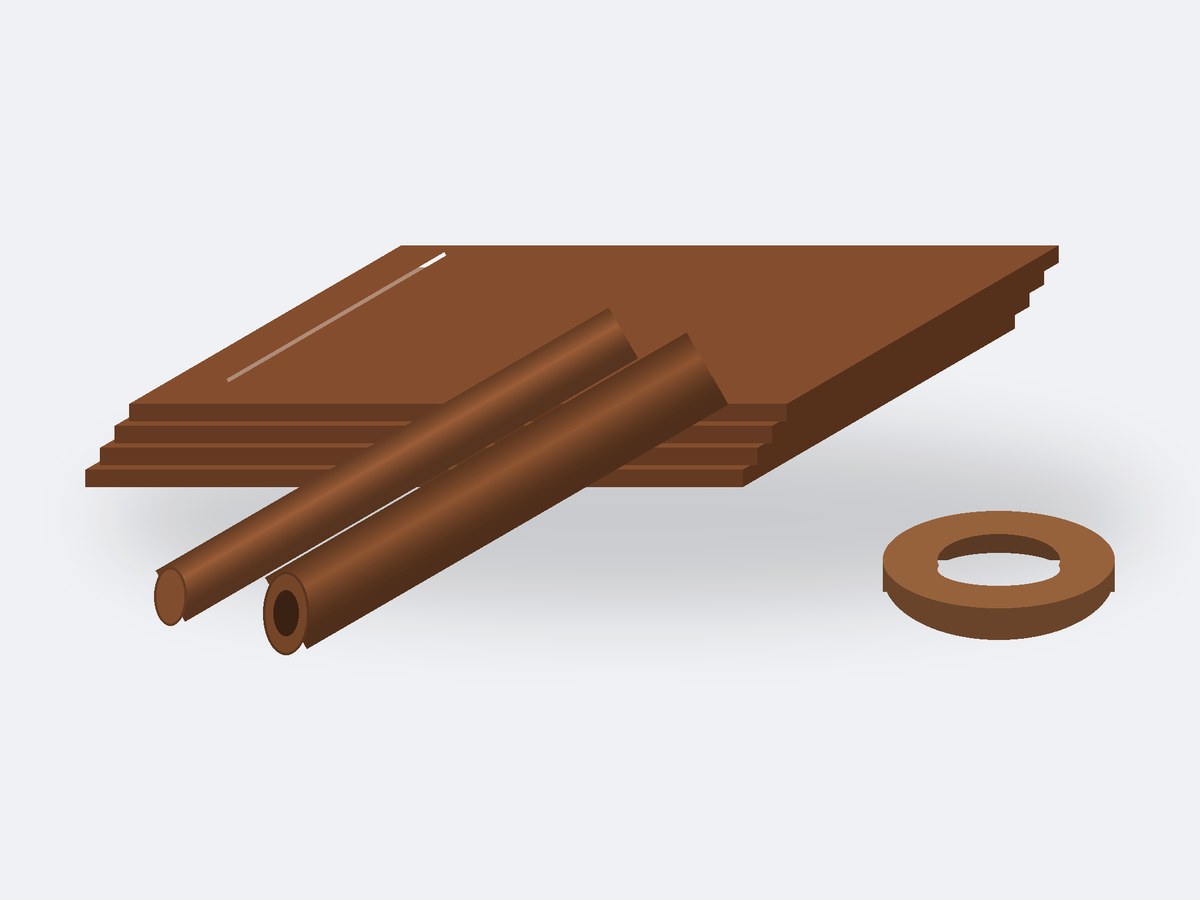
- Rods and tubes: for spacers, insulating sleeves and bushes.
Key properties
- good electrical insulation
- hard and rigid, with good compressive strength
- stable and holds machined dimensions
- resistant to many oils and solvents
- low cost
Limits
- brittle compared with thermoplastics, and can chip
- absorbs some moisture, which can reduce its electrical performance
- not suited to very high temperature
- less strong and less moisture resistant than glass epoxy
Typical uses
| Application |
Why bakelite |
| Electrical insulation boards |
Low-cost insulation |
| Switchgear and panels |
Rigid insulating supports |
| Jigs fxi tures and tools , |
Machinable and fal t |
| Gears and bushes (fabric grades) |
Wear resistance |
| Spacers and washers |
Stable and hard |
Bakelite or glass epoxy?
Glass epoxy has higher strength, lower moisture uptake and better performance at heat. It costs more. Bakelite is economical for general insulation and fixtures. If your equipment runs hot, damp or at high mechanical stress, choose glass epoxy. See glass epoxy guide.
Machining tips
Use sharp, preferably carbide tools. Support the sheet to avoid chipping, and use dust extraction since phenolic dust is an irritant.
What to send
Form, thickness or diameter, size, paper or fabric grade, colour, application and quantity. Diode Trading EST supplies bakelite sheets and rods in Saudi Arabia, and every order ships with a Material Test Certificate. Request a quote.
Questions to ask your supplier
Is the sheet paper-based or cotton-fabric phenolic? What is the thickness tolerance? Is it an electrical grade? What colours are available? Can sheets be supplied cut to size to reduce waste?
Choosing the right grade
Paper grades give the best electrical insulation and are common in panels, terminal boards and switchgear. Cotton-fabric grades are tougher and better for gears, bushes, wear plates and mechanical parts. Do not use a mechanical grade where insulation matters, or an electrical grade where the part must take impact or wear.
Common mistakes to avoid
- using bakelite in damp conditions where moisture reduces its insulation
- drilling without backing, which leads to chipping and delamination
- confusing bakelite with glass epoxy and using it in hot, high-load applications machining without dust extraction
Storage
Store sheets flat, dry and supported so they do not warp. Keep them away from damp floors and direct sunlight.
Typical sizes and forms
Phenolic laminate is commonly supplied as flat sheets in a range of thicknesses, as rods and as tubes. Choose the thickness that allows the finished part to be machined from a single piece, rather than gluing layers. For large insulating panels, ask for sheets cut to size to reduce waste.
Bakelite in electrical panels
In panels, phenolic boards support busbars, mount terminals and separate live parts. Keep the board dry and drill mounting holes with a sharp bit and a backing plate. Where the panel will be exposed to humidity, check whether glass epoxy is a safer choice.
Typical lead considerations
Standard sheet thicknesses are normally available from stock, while unusual sizes and cut parts take longer. Send your list early, with sizes and quantities, so we can confirm availability.
For general product standards in the Kingdom, see the Saudi Standards, Metrology and Quality Organization (SASO).
Frequently asked questions
What is bakelite sheet?
Phenolic laminate used for insulation and mechanical parts.
Is bakelite a good insulator?
Yes, especially paper grades, but keep it dry.
Bakelite or glass epoxy?
Glass epoxy is stronger and more stable. Bakelite is cheaper.
Can bakelite be machined?
Yes, with sharp tools and dust control.
Related guides: Glass Epoxy Sheets · Nylon Guide · Engineering Plastics Guide
Explore the product range: Bakelite Sheets Rods
Need a price or lead time? Request a quote with sizes, quantity and delivery city in Saudi Arabia.


 03 November, 2026 |
 Admin