 30 October, 2026 |
 Admin
Synthetic Turf in Saudi Arabia
Short answer: Synthetic t
Read more
Enquire Now
 30 October, 2026 | Admin
Short answer: POM (polyoxymethylene, also called
acetal) is a stiff, low-friction, dimensionally stable engineering
plastic. It is the usual choice for precision gears, bushes, rollers,
guides and valve parts where parts must hold their size. It is weaker
against strong acids and unsuitable for high heat.
POM machines beautifully and keeps tight tolerances, which is why it
is so common in precision mechanical parts.
Free engineering tools
POM comes as a homopolymer and as a copolymer. The homopolymer is
generally somewhat stiffer and harder. The copolymer usually resists
chemicals and hot water better and has a more uniform centre. Properties
vary by manufacturer, so choose based on the datasheet and your
conditions.
| Application | Why POM |
|---|---|
| Precision gears | Stiff, accurate, low wear |
| Bushes and bearings | Low friction |
| Rollers and guide rails | Stable and smooth |
| Valve and pump parts | Dimensional stability |
| Jigs and fixtures | Machines accurately |
Nylon is tougher and absorbs impact better but takes up moisture and
changes size. POM is stiffer, more stable and slides better, but is less
tolerant of impact. For precision and wet environments, POM often wins.
For tough, shock-loaded parts, nylon may be better. See nylon guide.
Use sharp tools and good chip clearance. POM can build internal
stress, so for tight tolerance parts rough-machine, allow stress to
relax, then finish.
Form (sheet or rod), size, copolymer or homopolymer, application,
temperature, chemical contact and quantity. Diode Trading EST supplies
POM sheets and rods in Saudi Arabia, and every order ships with a
Material Test Certificate. request a quote
Send a short brief with your sizes, quantity, and delivery location
in Saudi Arabia, and we will reply with availability, lead time and a
quotation. If you are unsure of the right grade, describe the working
conditions and we will help you choose.
POM holds close tolerances because it takes up almost no moisture.
But thick POM stock can contain internal stress from manufacture. When
you machine away a lot of material from one side, the part can warp
slightly. For precision parts, rough machine all faces, leave a small
allowance, let the part rest, then finish. Sharp internal corners also
concentrate stress, so add a small radius.
Is the rod or sheet copolymer or homopolymer? Is it stress-relieved
(annealed)? What is the tolerance on the thickness or diameter? Can I
have a sample offcut to test machining before ordering a large
quantity?
A cam follower, a precision guide roller, a pump impeller for
non-aggressive fluids, a spring-clip, a food machinery gear (in suitable
grades) and a valve seat all take advantage of POM’s stiffness, low
friction and stable size. In each case the part is small to medium, runs
at moderate temperature and does not see strong acid.
What is POM? Polyoxymethylene, a stiff, low-friction
engineering plastic also called acetal.
Is POM the same as Delrin? Delrin is a brand name of
a POM. The material family is the same.
Does POM absorb water? Very little, which is why it
holds its dimensions.
Can POM be used outdoors? Only with protection, as
UV can degrade it.
Related: Nylon Guide · PET Sheets and Rods ·
Engineering Plastics Guide
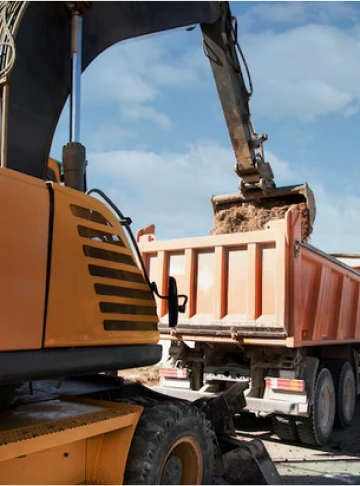
See our range of high-visibility safety mats and markers designed to reduce trip hazards across your site.

Diode Trading EST supplies these Engineering Plastics from stock in Dammam, with delivery across Saudi Arabia and the GCC.