

 05 October, 2026 |
  Admin
Admin
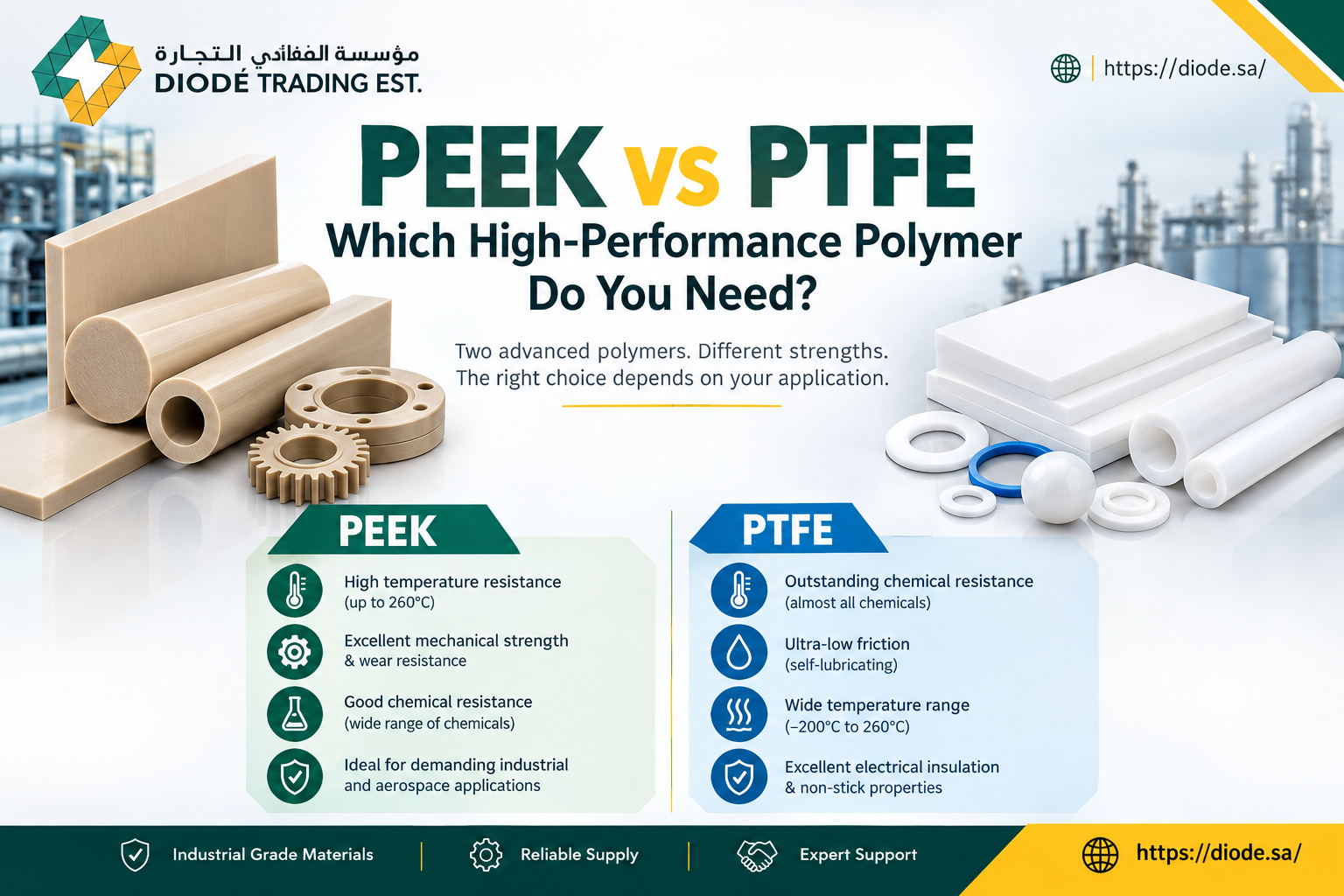
PTFE Components for Food &
Food and beverage processing equipment needs
Read more
Enquire Now
 29 September, 2026 | Admin
Getting rubber flooring wear classification right is the difference between a floor that looks good on handover and one that still looks good in year five. For most buyers, rubber flooring specification starts and ends with thickness and colour. For architects, fit-out consultants, and facility managers working on premium projects, it goes a level deeper — into wear classification, the rating system that actually determines whether a floor is built for a boutique studio with light foot traffic or a 24-hour commercial gym with constant heavy use.
A premium space is judged on how it looks in year three, not just on opening day. Under-specifying the wear grade is the single most common reason a beautiful new floor starts looking tired within twelve months — scuffing, dulling, and showing compression marks in high-traffic zones long before the rest of the space does. Classification exists to prevent exactly that mismatch between expectation and material.
Rubber and resilient flooring classification systems (commonly referenced in specs as grades C1 through C4, aligned with broader European flooring classification standards) are built around a few consistent factors:
Generally speaking, lower grades in this range suit light-traffic, low-impact areas — reception zones, stretching areas, boutique studio floors with primarily barefoot or sock-based use. Higher grades are specified for sustained heavy commercial use — free-weight zones, high-traffic gym floors, and facilities operating extended hours with continuous footfall.
Specifying the correct grade isn’t only a performance decision — it’s a cost one. Over-specifying (using a heavy-commercial grade everywhere, including low-traffic zones) inflates project cost without adding real value. Under-specifying creates a floor that fails early and needs replacing well before its expected lifecycle, which is a far more expensive outcome for a facility owner than paying the right price for the right grade at the outset.
Rather than applying a single grade across an entire facility, the more cost-effective and durable approach is zoning: matching grade to actual use, area by area. A reception and lounge area, a free-weight zone, and a boutique stretching studio within the same facility rarely need the same classification — and specifying them individually, rather than defaulting to “one grade for the whole project,” is where premium-project value is actually protected.
Diode Trading EST works directly with architects, fit-out consultants, and facility owners across Saudi Arabia to specify the correct rubber flooring grade zone by zone, backed by manufacturer documentation from Bunde Flooring and ErgoFloor, supplied through our partnership with Elaf Rubber. Get in touch with our team for a specification consultation, or browse the full rubber flooring range directly.
Getting the rubber flooring wear classification right at the specification stage avoids costly resurfacing later. Facilities with heavy foot traffic or wheeled equipment need a higher wear grade than a low-traffic office corridor, even if the two floors look identical on day one. Independent references such as the ASTM International standards library outline how flooring wear and abrasion resistance are tested industry-wide. If you are unsure which wear grade your project needs, talk to Diode’s specification team before you finalize your rubber flooring wear classification.
It determines how well a floor is expected to perform against traffic intensity, impact and point load, indentation recovery, and long-term wear — essentially, whether the material matches the real demands of the space it’s being installed in.
Not usually. The most cost-effective and durable approach is zoning — matching the grade to actual use area by area, rather than specifying one grade across an entire project.
The floor typically shows visible wear — scuffing, dulling, compression marks — much earlier than its expected lifecycle, which usually costs more in early replacement than specifying the correct grade from the start.
See our range of high-visibility safety mats and markers designed to reduce trip hazards across your site.
 05 October, 2026 | Admin
Food and beverage processing equipment needs
Read more 05 October, 2026 | Admin
Pharmaceutical manufacturing environments dem
Read more 04 October, 2026 | Admin
Semiconductor and electronics manufacturing p
Read more