 10 October, 2026 |
  Admin
Admin
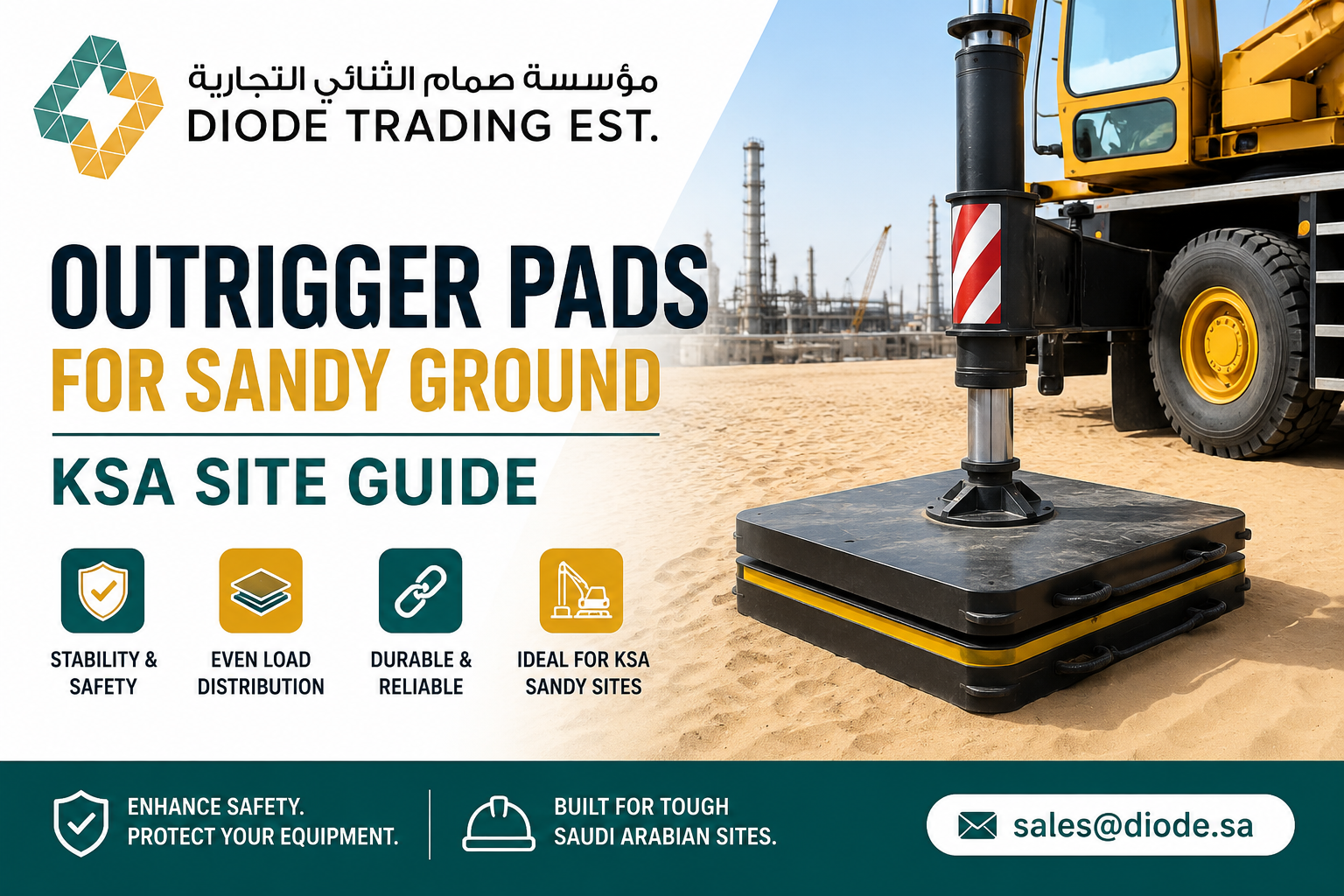
Crane Hire and Outrigger Pads
Planning a crane lift in Qatar means solvi
Read more
Enquire Now
 07 October, 2026 | Admin
POM, also known as acetal or polyoxymethylene, is one of the most widely machined engineering plastics. POM acetal rods and sheets are chosen for precision parts that need stiffness, low friction, dimensional stability and a smooth finish, such as gears, bushes, rollers, valve parts and food-machinery components. This guide explains grades, properties, applications and limits so you can specify POM with confidence.
POM comes in two main types:
For most machined components, POM-C is the default. POM-H is chosen where maximum stiffness or creep resistance is needed.
POM is commonly supplied as round rods, sheets and plates in natural (white) and black. Black grades offer better UV stability. Stock sizes vary by supplier, so contact us with the diameter or thickness you need.
POM and nylon often compete for the same parts. POM holds tolerance better in humid conditions because it absorbs far less water, while nylon is tougher under impact and better at absorbing shock. For a wider comparison, read our POM vs Nylon vs UHMWPE vs PTFE guide.
Related products: POM Acetal Sheets & Rods and Engineering Plastics. Every order from Diode is supplied with a Material Test Certificate.
Start with the operating environment. Confirm the maximum temperature, any contact with acids, chlorinated water or oxidisers, and whether the part runs dry or lubricated. Next, define the load: static, sliding, rotating or impact. Finally, set the tolerances you need and the quantity. With those details, our team can confirm whether POM-C, POM-H or an alternative such as nylon or PTFE suits the job, and quote stock or machined parts.
POM-H is slightly stiffer and stronger; POM-C has better hot-water and alkali resistance and less centre porosity in thick stock.
Food-contact grades are available. Specify the requirement when ordering so the correct grade is supplied.
No. POM is attacked by strong acids and oxidisers. Consider PP, PVDF or PTFE for acidic environments.
POM absorbs far less moisture, so it keeps tighter tolerances in humid environments.
Send the sizes, grade (POM-C or POM-H), colour and quantities you need to our Al Khobar team for a quotation on POM acetal rods and sheets.

See our range of high-visibility safety mats and markers designed to reduce trip hazards across your site.
 10 October, 2026 | Admin
Planning a crane lift in Qatar means solvi
Read more