
 16 September, 2026 |
  Admin
Admin
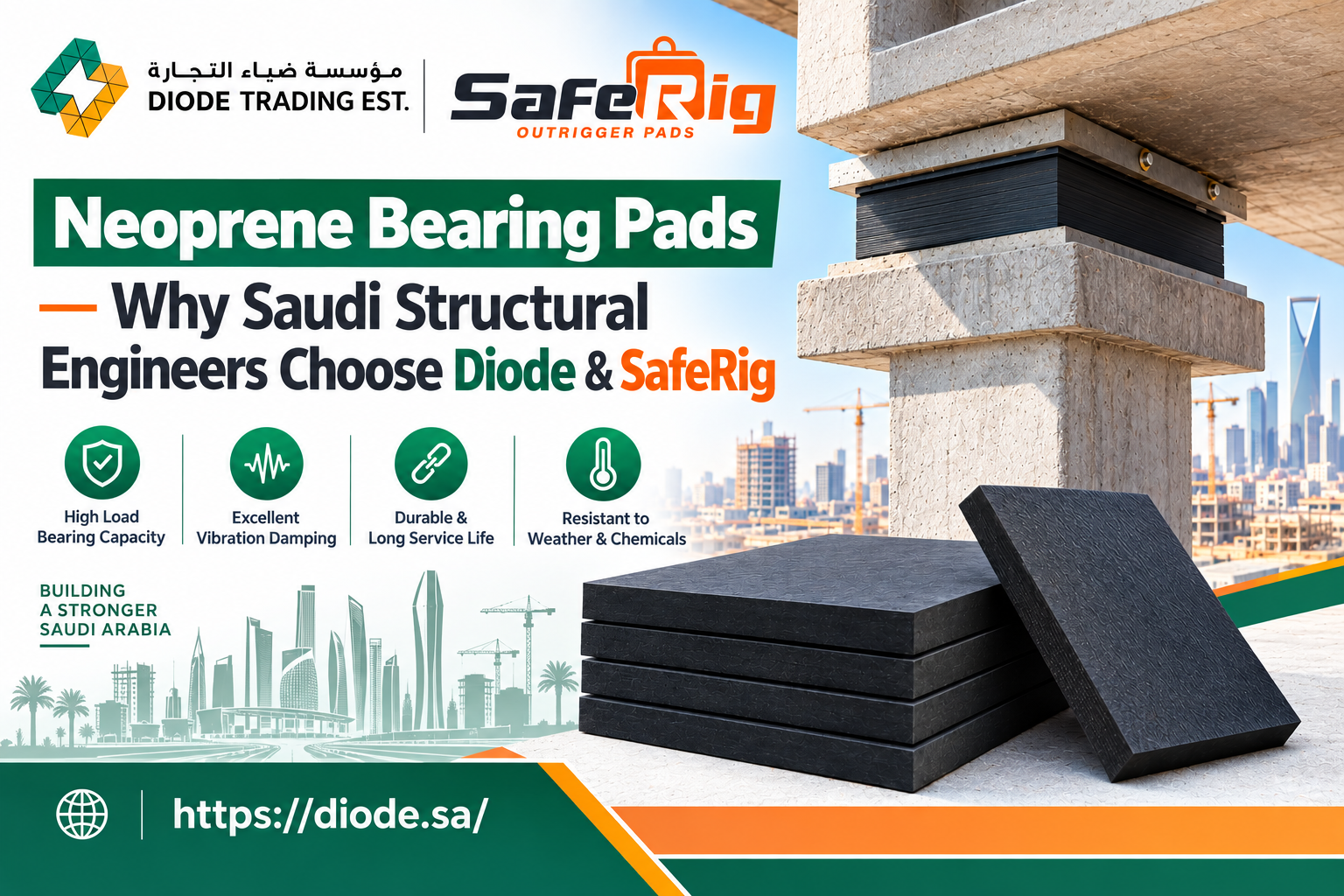
Neoprene Bearing Pads — Why
Bearing pads don't get much attention until a
Read more
 03 September, 2026 | Admin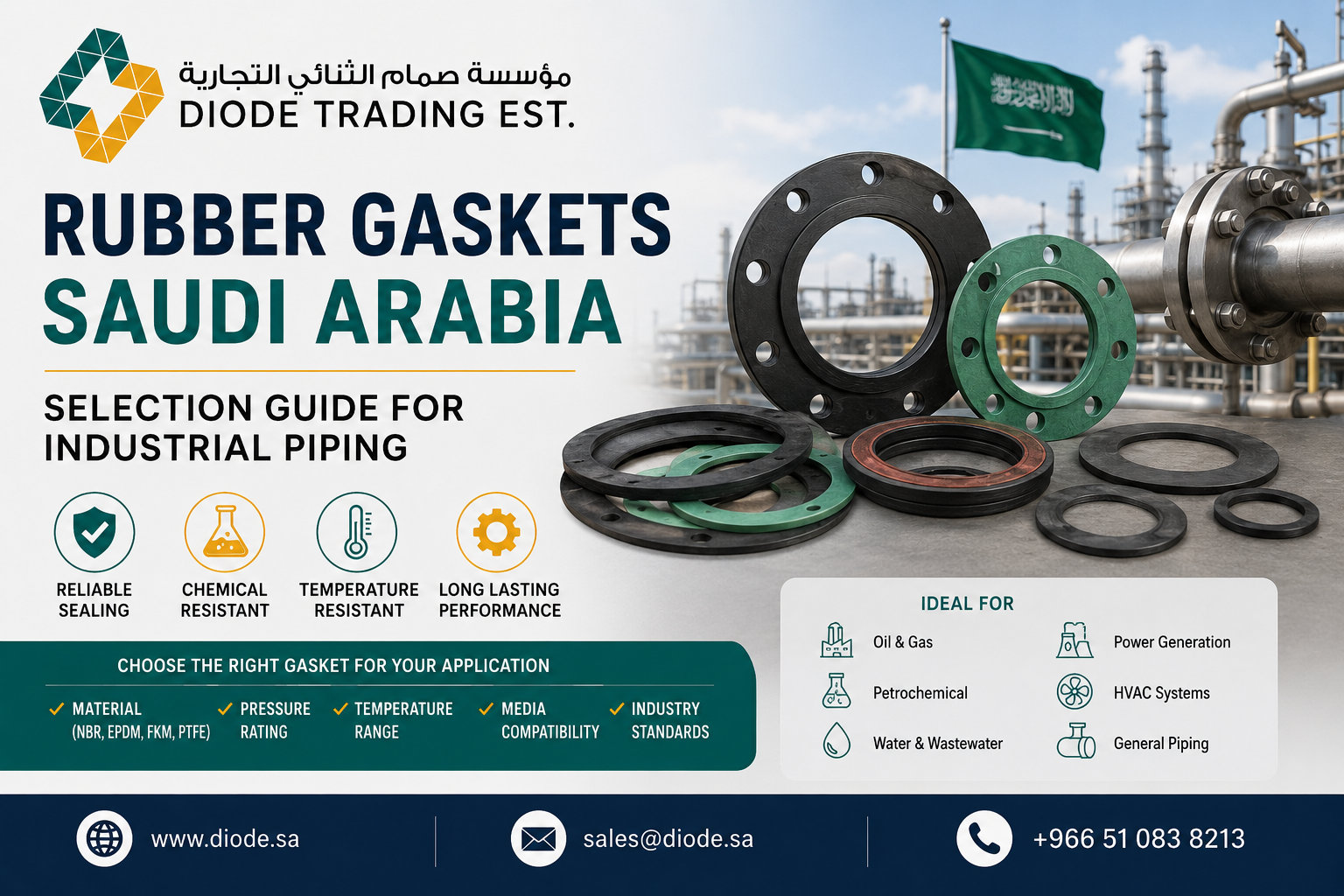
A gasket failure is rarely dramatic until it is — a slow weep at a flange for months, then suddenly a shutdown nobody planned for. Choosing the right rubber gaskets Saudi Arabia plants can depend on starts with matching the gasket material to what is actually flowing through the pipe, not just grabbing whatever ring seal happens to be on the shelf. We supply rubber gasket sheet and cut-to-size gaskets for flanges, manholes, and custom fittings across the Eastern Province and beyond.
The compound matters more than the color or the price tag. Getting it wrong means a gasket that swells, hardens, or chemically breaks down within weeks of service, so we walk every customer through what the line actually carries before quoting.
• Nitrile (NBR) — oils and petroleum products, and the most common choice for fuel and lubricant lines.
• EPDM — water, steam, and outdoor installations, since it resists UV and ozone better than most compounds.
• Neoprene — moderate chemical exposure and general weather resistance for utility piping.
• PTFE (envelope or full) — aggressive chemicals, acids, and solvents where rubber compounds would fail quickly.
Most rubber gaskets Saudi Arabia contractors order match ANSI/ASME flange classes 150 and 300, in thicknesses from 1.5mm to 6mm depending on the pressure rating and face type (flat face or raised face). We also cut custom outer and inner diameters for manholes, ductwork, and non-standard fittings when the flange doesn’t match a catalogue size. Material specifications for rubber and elastomeric gaskets generally follow ASTM International standards, which is a useful reference when specifying compound and hardness for a new project.
We see the heaviest demand from water treatment plants, desalination facilities, HVAC ductwork, and general industrial piping across refineries and petrochemical sites. For tanks and pipework carrying more aggressive or abrasive media than a gasket alone can handle, see our guide on industrial rubber lining for full internal protection. Where the chemical exposure is too aggressive even for PTFE-envelope gaskets, our PTFE sheets and products guide covers virgin and filled grades that hold up in the harshest process lines.
Most premature gasket failures we’re called out to inspect trace back to installation, not material choice. Check that the flange face is clean and free of old gasket material before fitting a new one, tighten bolts in a star pattern rather than around the circle, and re-torque after the first thermal cycle on hot lines. Over-tightening a soft compound like EPDM or Neoprene can extrude the gasket out of the joint just as easily as under-tightening lets it leak.
Send us the flange size, pressure class, and what the line carries, and we’ll confirm the correct compound and thickness the same day. We keep common sizes of rubber gaskets Saudi Arabia buyers request most often in stock in Dammam, and we cut custom shapes and diameters to drawing when a standard size won’t fit.
Rubber compounds age even when they’re not installed, so storage matters if you’re stocking spares. Keep gaskets flat, away from direct sunlight and ozone sources such as running motors or welding equipment, and ideally below 25°C. Nitrile and Neoprene gaskets stored this way typically hold their sealing properties for several years, while EPDM tolerates longer outdoor storage than most compounds. If a gasket has gone hard, cracked at the edges, or lost flexibility, replace it rather than reusing it on a critical line, since a failed seal on a pressurized pipe is far more costly than the gasket itself.
In short, choosing the right rubber gaskets Saudi Arabia piping systems need comes down to matching compound to the fluid, pressure, and temperature involved. Diode Trading EST supplies rubber gaskets Saudi Arabia contractors specify for industrial piping projects.
See our range of high-visibility safety mats and markers designed to reduce trip hazards across your site.
 16 September, 2026 | Admin
Bearing pads don't get much attention until a
Read more
 15 September, 2026 | Admin
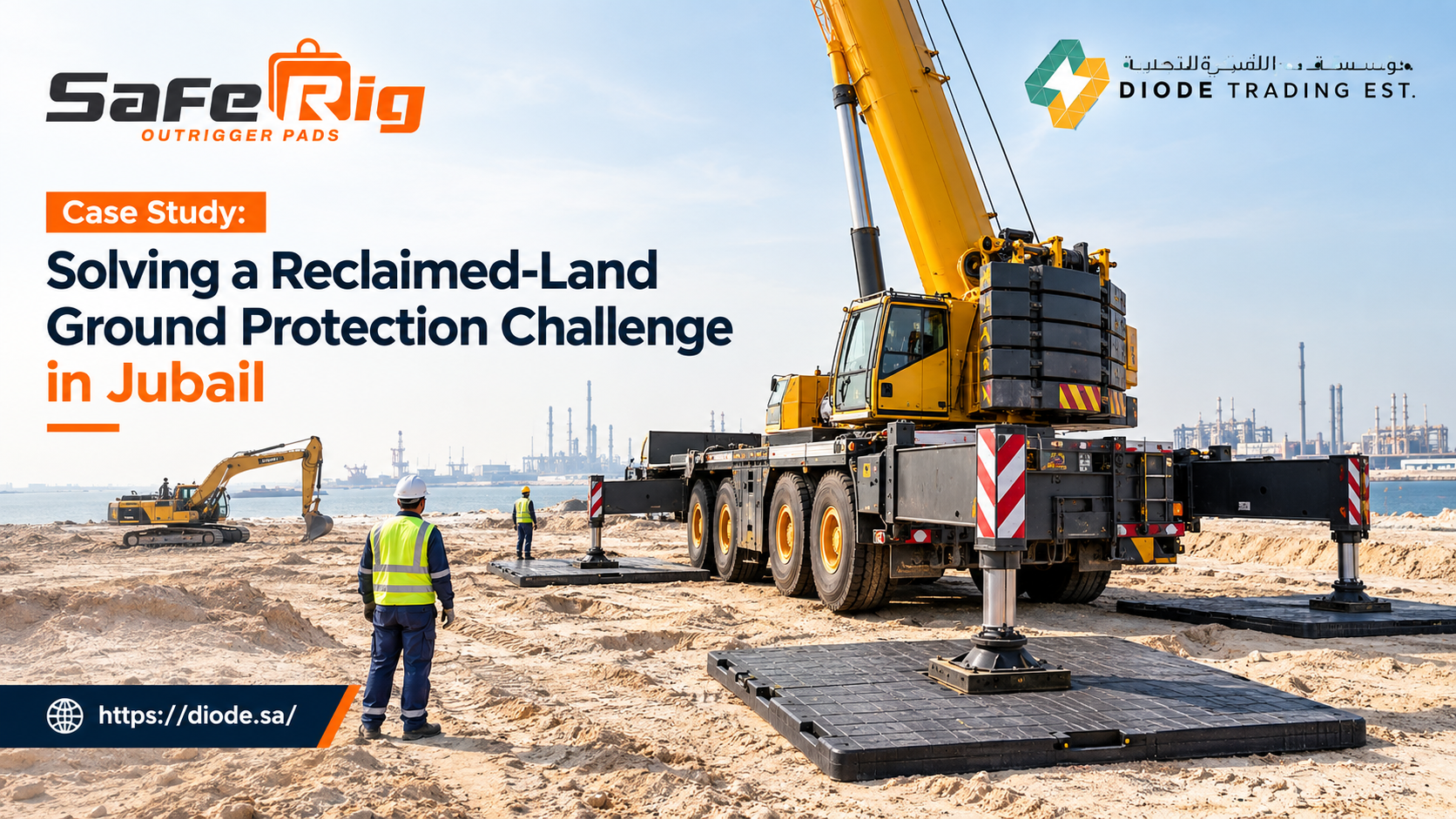
A mid-sized mechanical contractor working on
Read more