
 05 October, 2026 |
  Admin
Admin
PTFE Components for Food &
Food and beverage processing equipment needs
Read more
Enquire Now
 29 September, 2026 | Admin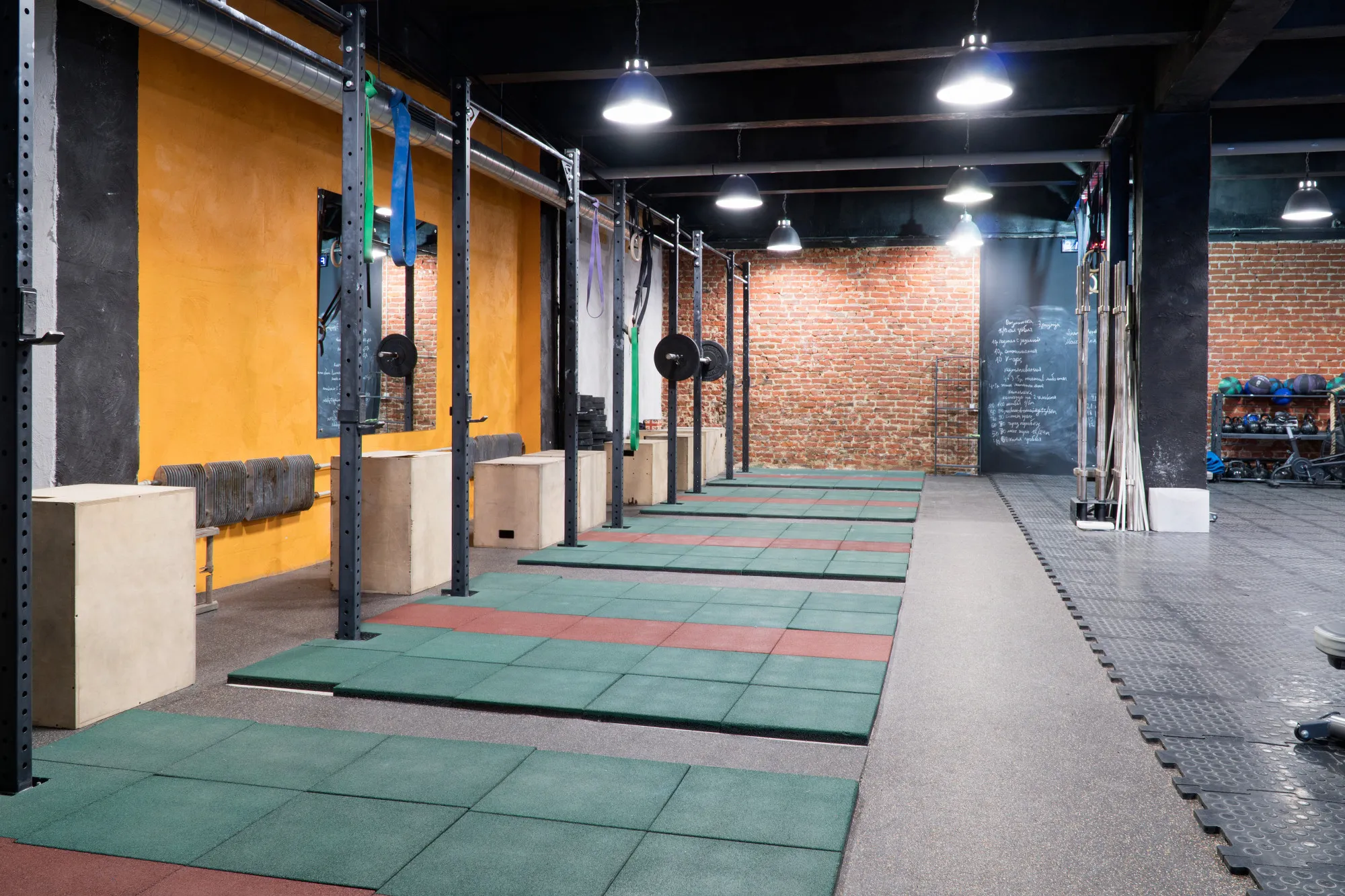
Choosing between ErgoTile vs ErgoPave comes down to matching the system to the job at hand. Not every rubber surface is solving the same problem. A CrossFit box, a rooftop terrace, and a stable yard all need rubber underfoot — but they need it to behave in completely different ways. ErgoFloor, the manufacturer behind both the ErgoTile and ErgoPave systems, builds two genuinely different products for exactly this reason, and choosing between them comes down to understanding what each was engineered to do.
ErgoTile is a flat interlocking rubber tile, manufactured in thicknesses ranging from 10mm up to 43mm depending on the application. At the lighter end of that range, it’s suited to terraces, walkways, garden paths, and general amusement or play areas. Moving up in thickness, ErgoTile becomes a genuine performance surface — the 25—30mm range is what you’ll find specified in CrossFit boxes and functional training zones, where it needs to withstand repeated barbell drops without transmitting that impact straight into the subfloor. From 19mm thickness upward, ErgoTile can also be supplied with integrated drainage channels — a detail that matters for any outdoor or semi-outdoor installation where standing water is a problem, and one that separates it from indoor-only gym flooring products that were never engineered to handle rainfall. ErgoTile is also notably load-tolerant in ways gym flooring rarely needs to be: the tiles are built to resist extreme point loads, including horse hooves and steel or plastic golf spikes, which is why the same product line shows up not just in gyms but on equine yards, golf clubs, and exhibition floors.
ErgoPave takes a different shape entirely — a dogbone-profile rubber paver, manufactured in 23—43mm thickness, designed for surfaces that need to handle sustained structural and vehicular-adjacent load rather than just foot traffic and dropped weights. Where ErgoTile is about impact absorption and drainage, ErgoPave is about long-term structural resilience under repeated heavy loading — the kind of spec you’d reach for on driveways, heavy-use walkways, and industrial-adjacent outdoor surfaces.
The two systems aren’t always an either/or choice. In performance training environments, ErgoFloor’s own documented builds show ErgoTile Quad (25mm) used as the top surface layer, combined with an ErgoPlay impact underlay (45mm) beneath it — the surface tile handling grip, colour, and top-layer wear, while the thicker underlay absorbs sound and vibration before it reaches the structural floor. It’s a reminder that in premium installations, the “floor” is often a system of two purpose-built layers working together, not a single product doing every job at once.
As a general rule: if the surface needs to look considered, drain water, and absorb impact from equipment or foot traffic — ErgoTile is the starting point. If the surface needs to carry sustained structural or heavier load over time — ErgoPave is built for that job. For premium projects combining both — a CrossFit box with an outdoor training yard, for example — it’s common to see both systems specified across different zones of the same facility. Diode Trading EST, in partnership with Elaf Rubber — the official distributor of ErgoFloor products — supplies both ErgoTile and ErgoPave systems to facilities across Saudi Arabia. Get in touch with our team to talk through which system fits your project, or browse the full rubber flooring range directly.
When it comes down to ErgoTile vs ErgoPave, the choice is rarely about which product is “better” — it is about matching the system to the load, the exposure, and the budget. ErgoTile suits flat, multi-use areas that need consistent underfoot comfort, while ErgoPave is the structural choice for driveways, plant rooms, and heavy-traffic zones. For technical background on how rubber compounds perform under UV and thermal cycling, see this overview of EPDM rubber. If you are still weighing ErgoTile vs ErgoPave for a specific site in Saudi Arabia, get in touch with our team for a free specification review.
ErgoTile is a flat interlocking rubber tile (10—43mm) built for impact absorption, drainage, and multi-use surfaces. ErgoPave is a dogbone-profile rubber paver (23—43mm) engineered for sustained structural load, more suited to driveways and heavy-use outdoor surfaces than training or play areas.
Yes — from 19mm thickness, ErgoTile can be supplied with integrated drainage channels specifically for managing surface water, making it suitable for terraces, walkways, and other outdoor installations.
Not always, but for larger or mixed-use facilities it’s common — for example, ErgoTile for an indoor or covered training zone, and ErgoPave for an adjacent outdoor heavy-traffic surface.
See our range of high-visibility safety mats and markers designed to reduce trip hazards across your site.
 05 October, 2026 | Admin
Food and beverage processing equipment needs
Read more 05 October, 2026 | Admin
Pharmaceutical manufacturing environments dem
Read more 04 October, 2026 | Admin
Semiconductor and electronics manufacturing p
Read more