Strip Curtain Thickness and Width Chart for PVC Strips
08 November, 2026 | Admin
Strip curtain thickness is the first spec buyers ask about, and it is also the one most often chosen wrongly. A strip that is too thin flutters, tears at the edges and lets air through. A strip that is too thick is stiff, slow to spring back and hard for people to push through. This guide gives a simple chart you can use to match thickness and width to your doorway, traffic and temperature.
Thickness and width work together. Thickness controls how stiff the strip is and how long it lasts. Width controls how much of the opening each strip covers and how much the strips can overlap. Choose both, and then confirm the exact grade with your supplier before ordering.
Free engineering tools
Plastic weight calculator — Work out the weight of Strip Curtain Thickness and Width Chart for PVC Strips sheets, rods and tubes in kg
These are typical figures for guidance. Exact sizes, grades and tolerances are confirmed on your quotation, and the right choice always depends on your opening height, temperature and how often the door is used.
How thickness changes performance
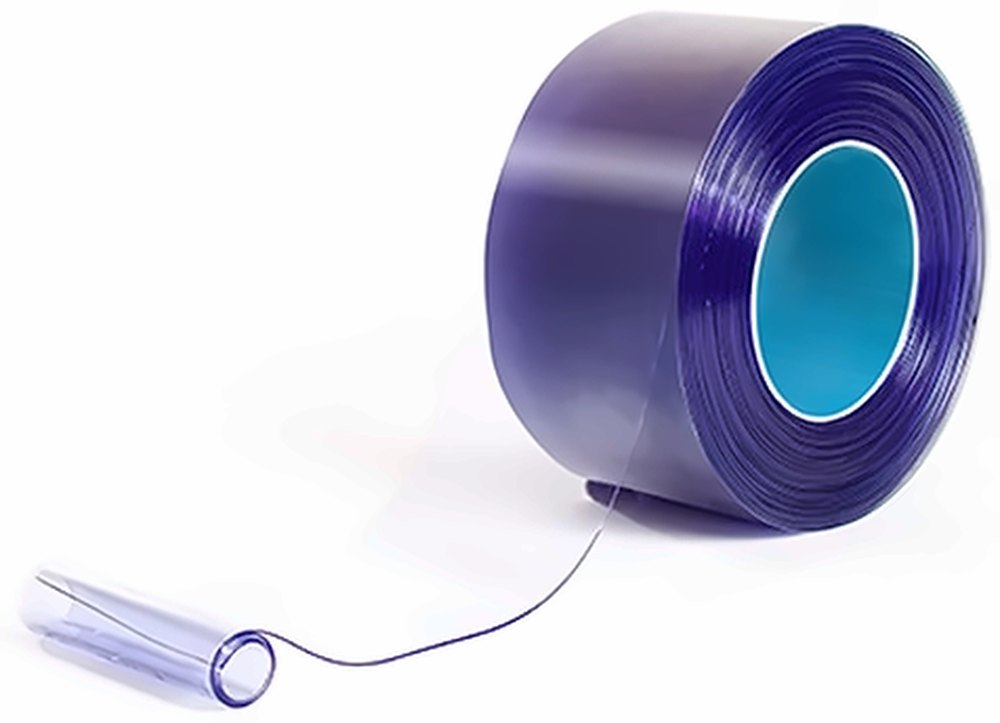
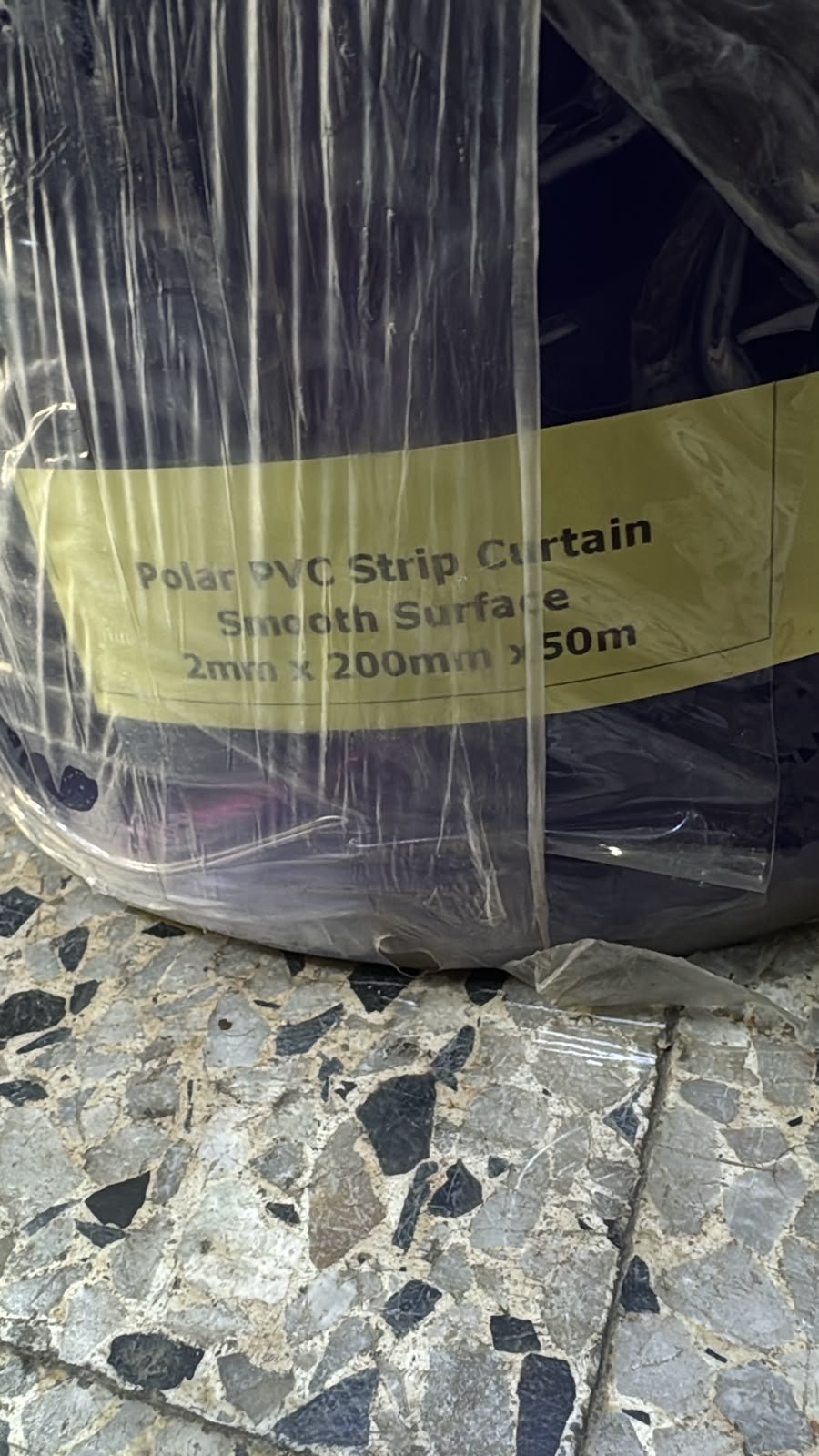
Thinner strips of about 2 mm are light and flexible. They are fine for pedestrian doorways and short drops, but they wear faster where trolleys or carts push through every few minutes. Medium strips of about 3 mm are the most common choice for warehouses and workshops because they balance flexibility and durability.
Thicker strips of about 4 mm hold their shape over taller openings and stand up to forklift traffic. They also stay in place better when a fan or a draught is pushing on them. The trade-off is stiffness, so check that people can still walk through comfortably.
Choosing the right width and overlap
Wider strips of 300 or 400 mm need fewer pieces per door and give a better seal when they overlap. Overlap is how much each strip covers its neighbour. For general doors a lower overlap is enough. For cold stores and freezers, an overlap of about 50 percent is typical, because it keeps cold air in and stops warm air pushing through the gaps.
Wider strips also make it easier for a driver to see through a clear curtain, and a ribbed surface adds protection against impact.
Measure the opening width and the height from the top of the rail to about 10 to 20 mm above the floor. Note the door use, the lowest temperature and the type of traffic. With those four details, we can recommend thickness, width and overlap in one reply.
How to measure before you order
Measure the opening width and the height from the top of the rail to about 10 to 20 mm above the floor. Note the door use, the lowest temperature and the type of traffic. With those four details, we can recommend thickness, width and overlap in one reply. Our full range is shown on the
Frequently asked questions
Which thickness is best for a warehouse door?
A 3 mm strip about 300 mm wide is the usual choice for general warehouse doors with mixed pedestrian and light vehicle traffic.
Is a thicker strip always better?
No. Thicker strips are stiffer and slower to spring back. Choose the thickness that matches your traffic and door height, and use a polar grade for low temperatures.
Can I order custom lengths and widths?
Yes. Strips can be supplied on rolls or cut to length, and door kits can be made to your opening size. Send us the measurements for a quote.
This guide on strip curtain thickness is a starting point. For more help with strip curtain thickness, send us your door size, temperature and traffic and we will recommend the right specification. Background reading: strip curtains on Wikipedia.







 10 November, 2026 |
 Admin