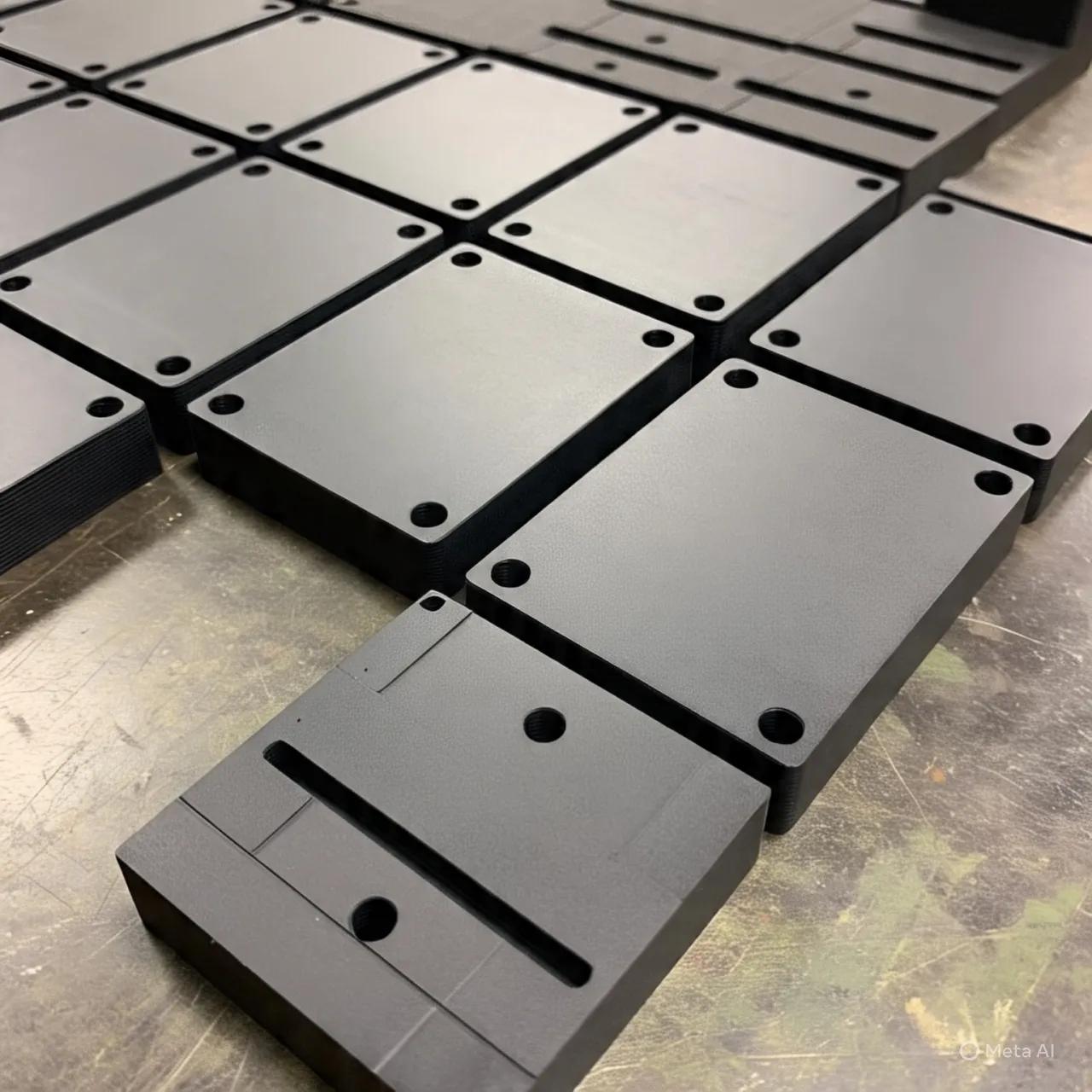
Short answer: Shims are thin plates placed under equipment, plates or structural members to level them, fill small gaps and adjust height. HDPE shims are made from high-density polyethylene, so they do not rust, are light, resist moisture and many chemicals, and are easy to cut to size. Choose the thickness and size for the load and gap, and use steel shims where load is very high.
This guide covers HDPE shims. HDPE sheets and rods, UHMWPE pads and UHMWPE fender are different products.
What shims are for
Surfaces are never perfectly flat or level. When you install a pump base, a machine, a bridge bearing or a steel member, small gaps remain. Shims fill those gaps so load is carried evenly and the equipment sits level and aligned. Without shims, bolts can pull parts out of true and stress the structure.
Why HDPE shims
- they do not corrode, so they are good in wet, humid or chemical areas
- they are light and easy to handle
- they are non-conductive, which helps where isolation is needed
- they are easy to cut or drill on site
- they can also help with some vibration and noise
Limits
HDPE is a plastic, so it compresses and creeps under very high, sustained loads. For heavily loaded machine bases, steel shims may be required. Check the allowable compressive load for the material and the project specification before using plastic shims on structural loads. Heat also softens HDPE, so avoid hot locations.
Choosing thickness and size
- Gap: measure the gap you need to fill.
- Load: know the load on each shim and make sure the shim area is large enough.
- Size: cover the full bearing area where load applies.
- Stack height: keep the number of stacked shims small. A single shim of the right thickness is more stable than many thin ones.
- Colour coding: some shims come in colours by thickness to help site teams.
Installation tips
Clean the surfaces and remove rust, grit and burrs. Place shims flat and fully under the load-bearing area. Tighten bolts gradually and re-check level. If a shim is partially under a plate, it can tilt the plate, so cover the full area. Do not use damaged or cracked shims.
Common mistakes to avoid
- using plastic shims for loads beyond their capacity
- stacking many thin shims instead of one correct shim
- leaving the shim only partly under the baseplate
- using shims in a hot location
- confusing HDPE shims with HDPE sheets bought for another purpose
Questions to ask your supplier
What thicknesses and sizes are available? Can shims be cut to my size? What load limit applies? Are colour-coded thicknesses available? Is the grade suitable for outdoor use?
Diode Trading EST supplies HDPE products across Saudi Arabia, and every order ships with a Material Test Certificate. Request a quote.
Shims and structural approvals
On structural steelwork, shim material, thickness and the maximum stack are often set by the engineer. Always follow the approved drawing. If the drawing calls for steel shims, do not substitute plastic. Where plastic is allowed, give the load and the bearing area so that the supplier can confirm the size and thickness is suitable.
Cutting and drilling
HDPE can be cut with a fine-tooth saw, a knife for thin sheet or a router. Drill with sharp bits and moderate speed so the plastic does not melt. Remove burrs so the shim sits flat.
For general product standards in the Kingdom, see the Saudi Standards, Metrology and Quality Organization (SASO).
Frequently asked questions
What are shims used for?
Levelling, packing gaps and adjusting height under equipment or structures.
Are plastic shims strong enough?
For many applications yes, but check the load. Use steel where load is very high.
Can HDPE shims be cut on site?
Yes, with a saw or knife.
Do HDPE shims rust?
No. They are corrosion free.
Related guides: HDPE Sheets and Rods · Neoprene Bearing Pads · Engineering Plastics Guide
Explore the product range: HDPE Shims
Need a price or lead time? Request a quote with sizes, quantity and delivery city in Saudi Arabia.
See also: HDPE sheets and rods in stock in Saudi Arabia




 10 November, 2026 |
 Admin