Insect Control Curtain for Food Plants and Kitchens
09 November, 2026 | Admin
An insect control curtain is a tinted PVC strip curtain hung across an open door to help keep flying insects out. In food plants, kitchens and storage areas, flies and other flying insects are a hygiene and compliance risk, and doors are the most common way they get in. This guide explains how insect control strips work and where they fit.
They are an aid, not a complete pest-control system. They work best alongside good housekeeping, sealed waste handling and your normal pest-control programme.
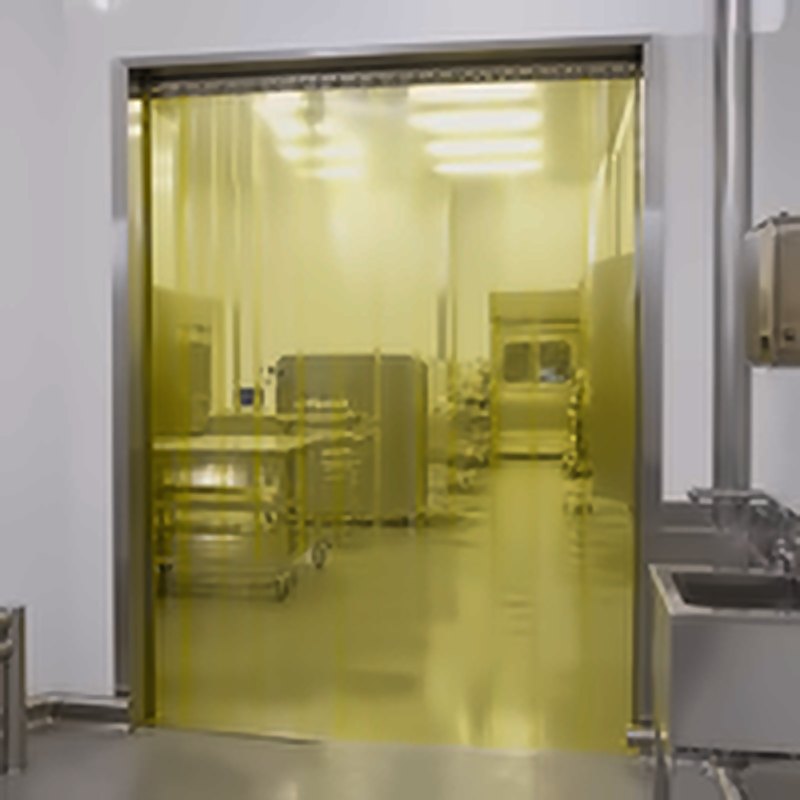
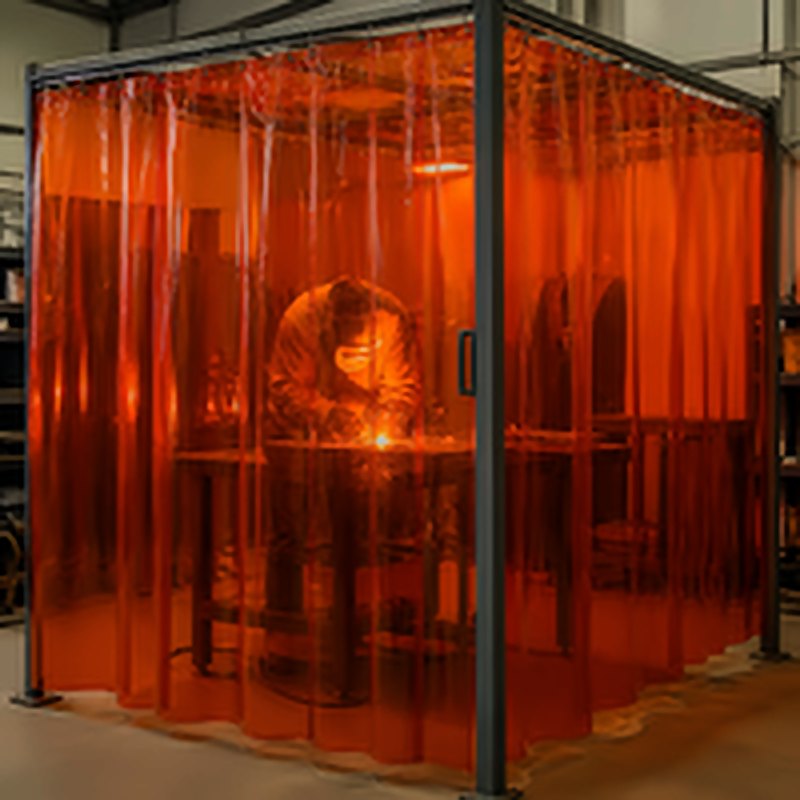
The strips are usually yellow or orange tinted. The tint filters part of the light spectrum that attracts many flying insects, so fewer are drawn towards the doorway. The curtain also acts as a physical barrier: even when the door is open, the strips hang across the opening and slow insects down.
Where they are used
Common uses are food processing and packing plants, commercial kitchens and canteens, bakeries and dairies, storage and loading doors, and open doors that face outdoor areas. They are also useful at entrances where staff or trolleys pass frequently, because the strips let people through without needing to open and close a door.
Choosing the right strip
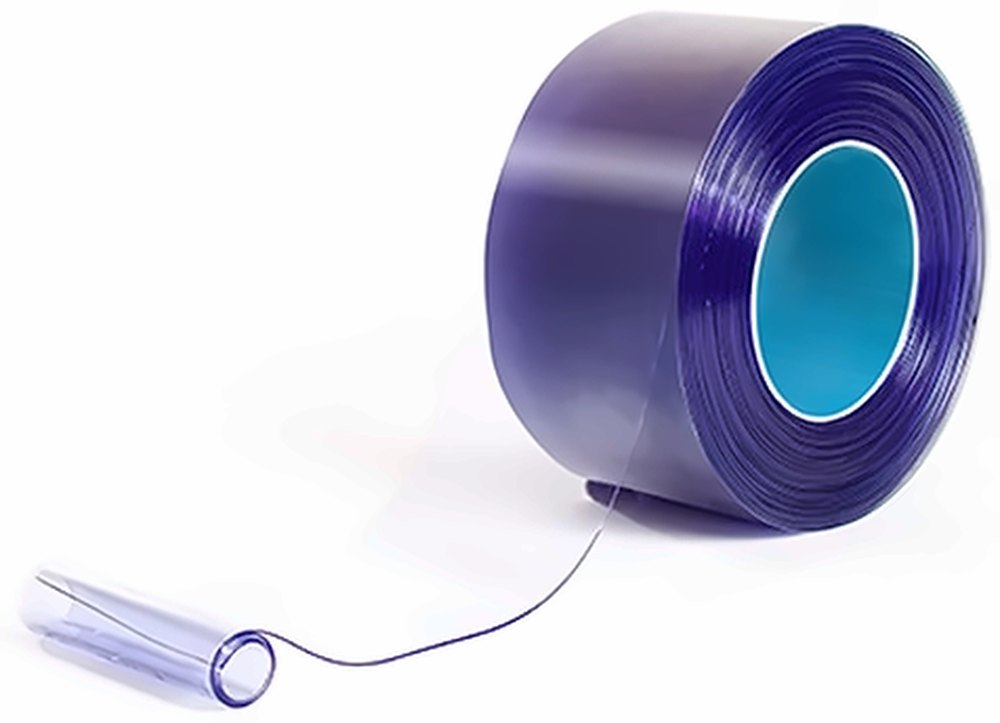
Pick a strip width of 200 or 300 mm with enough overlap to avoid straight gaps. For wide doors or trolley traffic, use a thicker strip. Because food areas are cleaned often, choose smooth strips that are easy to wipe. Our size chart helps you pick the thickness.
Hygiene and cleaning
Wash strips regularly with a mild detergent, rinse them and let them dry. Check that the rail, clamps and the lower edge of each strip are free of dirt and residue. Replace strips that are scratched, stained or cracked, because damaged surfaces collect dirt more easily.
What it will not do
An insect control curtain does not kill insects, and it does not replace a fly screen, air curtain or a pest-control contract. It is also not a food-safety certificate. Use it as one layer in a wider hygiene plan, and ask your quality team what standard applies to your site.
Pair it with the right door set-up
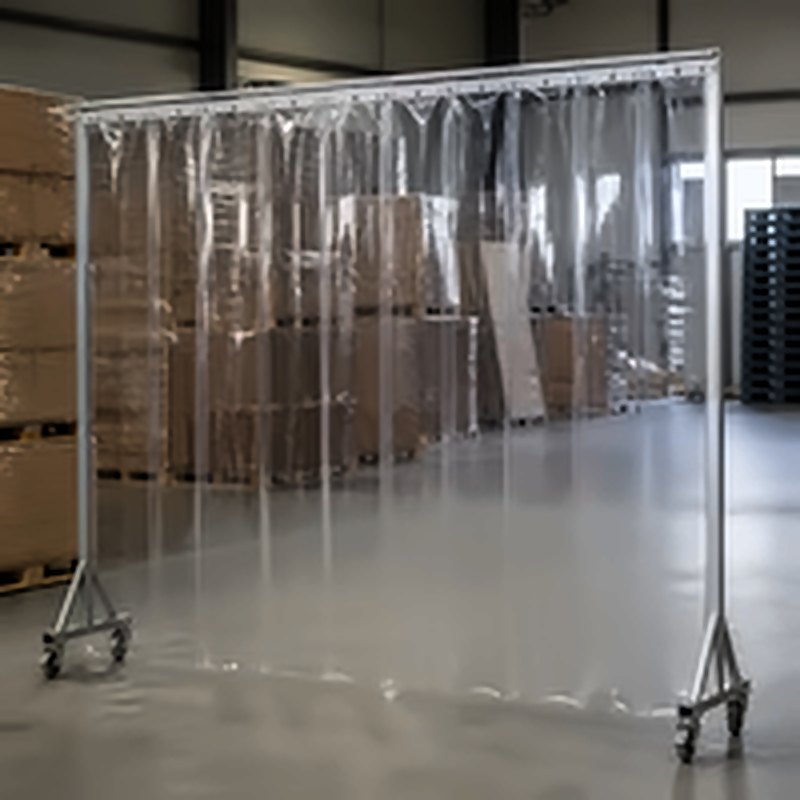
For busy doors, you can combine strips with a sliding door or a rapid roll door. For smaller kitchens, a simple strip curtain is often enough. See our guide to strip curtains vs air curtains and rapid roll doors to compare options.
Cleaning schedule for food areas
In a food plant, curtains should be part of the cleaning schedule. Wipe the strips daily or weekly depending on the area, with a food-safe detergent, and rinse and dry them afterwards. Keep a note of strips replaced so you can show your auditor that the curtain is maintained. Do not use abrasive pads, because scratches hold dirt and bacteria.
Ordering checklist
Give us the opening width and height, the traffic type and whether the door leads to a cold or ambient area. We will confirm the tint, strip size and overlap and supply the rail and clamps. Our full range is available from Dammam stock.
Frequently asked questions
What colour is best for insect control?
Yellow and orange tinted strips are the usual choice because the tint reduces the attraction of many flying insects.
Can I use them in a cold store?
Insect strips are usually for ambient areas. For cold rooms choose a polar grade and tell us the temperature.
Do they need electricity?
No. They are a passive barrier with no running cost.
This guide on insect control curtain is a starting point. For more help with insect control curtain, send us your door size, temperature and traffic and we will recommend the right specification. Background reading: strip curtains on Wikipedia.




 10 November, 2026 |
 Admin