
 30 October, 2026 |
 Admin
Synthetic Turf in Saudi Arabia
Short answer: Synthetic t
Read more
Enquire Now
 30 October, 2026 | Admin

Short answer: The right sports or gym floor depends
on the activity. Weight training needs thick, dense rubber to absorb
dropped weights. Group exercise and cardio need cushioned,
slip-resistant surfaces. Multi-purpose courts need polyurethane sports
flooring with grip and shock absorption. Choose by activity, impact,
subfloor and how often the floor will be used.
| Activity | What the floor needs |
|---|---|
| Free weights and lifting | Dense, thick rubber that protects the slab |
| Cardio and machines | Durable surface that spreads equipment weight |
| Group fitness, aerobics | Cushioning and grip |
| Functional training and turf zones | Impact absorption and traction |
| Courts and multi-sport halls | Shock-absorbing sports surface with consistent grip |
Rubber tiles, rolls and mats are the standard for gyms. They absorb
impact, reduce noise, protect the floor beneath and give grip. Thickness
is the main variable: thicker rubber for heavy lifting and dropping,
thinner for general fitness. Tiles are easy to lay and replace, and
rolls give fewer seams. For more on rubber flooring, see rubber mats guide.
Polyurethane (PU) sports flooring is used in courts, halls and
multi-purpose sports areas. It gives controlled cushioning and
consistent grip, supports the player’s joints and gives a clean look in
a variety of colours. Systems vary from rolled sheet to poured or
layered flooring, so confirm the system, thickness and performance with
the supplier.
Prepare the slab, plan the layout, lay and fix according to the
maker’s method. Sweep daily, clean with a neutral cleaner and avoid
harsh solvents. Replace damaged tiles promptly. In busy gyms, rotate
high-wear areas.
What thicknesses and sizes are available? Is the product suitable for
weight dropping? Is the PU system suitable for my sport? What adhesive
or fixing is recommended? What colours and markings are possible?
Diode Trading EST supplies sports and gym flooring across Saudi
Arabia, and every order ships with a Material Test Certificate. Elaf
Rubber’s ErgoFloor range is available in the UAE only, and Diode is the
authorised party for KSA. request a quote
For gym floors, send a plan with each zone marked and its use. For
sports floors, state the sport, the area and the subfloor type. Ask for
sample pieces to check colour and texture before ordering the whole
floor.
The cost of a gym or sports floor depends mainly on thickness, the
material system, the area and the subfloor preparation. A thin tile for
light fitness costs less than thick, dense rubber for weight zones, and
PU sports systems cost more than basic rubber. Send us the plan with the
areas for each activity and we can suggest a layout that spends where it
matters.
What is the best flooring for a gym? Rubber tiles or
rolls, with thickness matched to the weight area.
What thickness is best for weights? Thick, dense
rubber. Ask us about the area and the weights used.
What is PU sports flooring? A polyurethane surface
used for courts and multi-sport areas.
Can gym flooring be laid over concrete? Yes, if the
slab is flat, clean and dry.
Related: Rubber Mats and Tiles · Synthetic Turf
· Event and Stadium Flooring
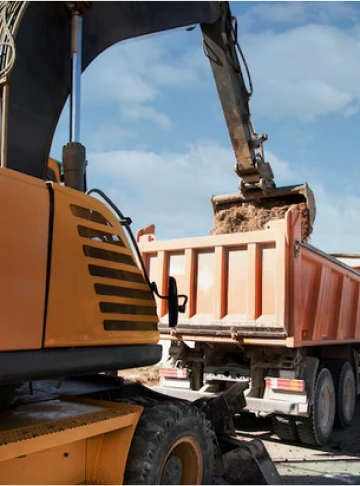
See our range of high-visibility safety mats and markers designed to reduce trip hazards across your site.
Diode Trading EST supplies these Industrial Mats & Flooring from stock in Dammam, with delivery across Saudi Arabia and the GCC.