 10 October, 2026 |
  Admin
Admin
Crane Hire and Outrigger Pads
Planning a crane lift in Qatar means solvi
Read more
Enquire Now
 07 October, 2026 | Admin
Water treatment plants depend on components that survive constant contact with disinfectants, coagulants, pH-adjustment chemicals and abrasive slurries. PTFE water treatment components, including gaskets, valve seats, pump diaphragms, liners and seals, are specified across municipal and industrial plants because PTFE is almost completely chemically inert and does not degrade in the aggressive dosing environments that attack many rubbers and metals.
In Saudi Arabia, the scale of desalination, municipal supply and industrial water reuse makes reliable sealing and chemical-handling parts a constant maintenance requirement. This guide covers where PTFE is used, which grade to choose and what to send when you request a quotation.
Dosing pumps for hypochlorite, ferric chloride, polyelectrolyte and acid commonly use PTFE-faced diaphragms, PTFE valve balls and seats, and PTFE gaskets on suction and discharge connections. These parts are usually the first to fail if the material is wrong, so they are worth specifying carefully.
Ball and butterfly valves on chemical lines use PTFE seats and seals, and flanged joints on chemical pipework use PTFE or PTFE envelope gaskets. See our PTFE valve components guide for seat-grade selection.
Flowmeter liners, sensor housings and sample-line fittings use PTFE because it does not react with the sample and resists fouling.
Seals on filter housings, chemical cleaning (CIP) skids and membrane pressure vessels benefit from PTFE where cleaning chemicals are aggressive.
Virgin PTFE is the default for chemical dosing and wherever purity matters, because it offers the widest chemical resistance and no fillers that could react. Glass-filled PTFE improves wear and reduces creep, which helps valve seats and seals under load, but glass can be attacked by hydrofluoric acid and strong alkalis, so check the dosing chemical. Carbon-filled PTFE suits dynamic seals and wear parts with good chemical resistance. Read more in Virgin vs Filled PTFE and our PTFE chemical compatibility guide.
Municipal drinking-water plants often require documentation confirming suitability for potable water contact, so confirm any approval your project specification calls for before ordering. Industrial plants, such as refinery wastewater units, cooling-water systems and produced-water treatment, tend to prioritise chemical resistance to a wider range of contaminants and higher temperatures. In both cases, consistent grade documentation simplifies maintenance. Every order from Diode is supplied with a Material Test Certificate.
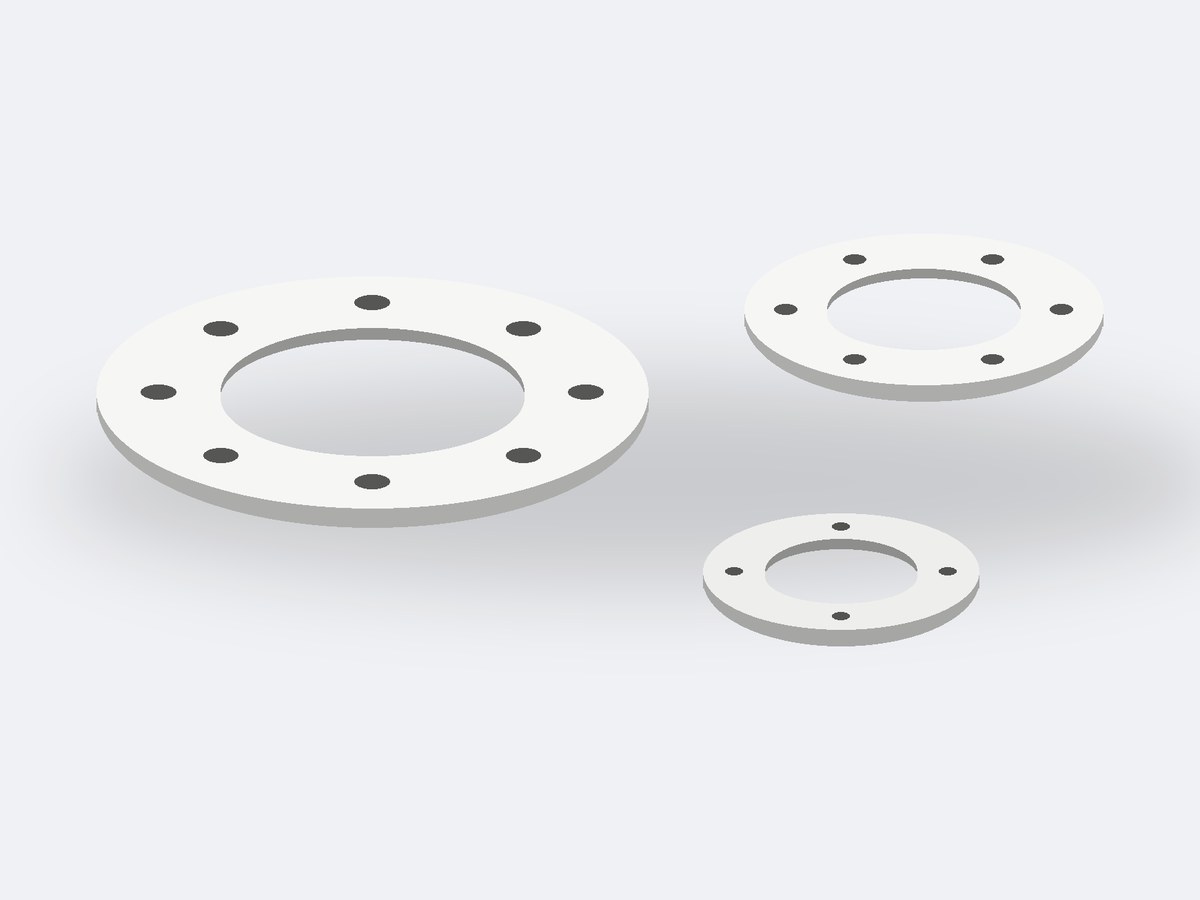
Related products: PTFE Products, Ready-Cut Gaskets and PTFE Gland Packing, Tapes & Seals.
Yes. PTFE is resistant to sodium hypochlorite and other common oxidising disinfectants, which is why it is widely used in chlorine dosing systems.
Virgin PTFE is usually preferred for diaphragms, seats and gaskets in contact with dosing chemicals because it offers the broadest chemical resistance.
Yes. We supply sheets, rods and tubes and can machine seats, seals and fittings to your drawing or sample.
Yes. See our article on PTFE components for desalination plants for details.
Send your drawings, sizes, process chemicals and quantities to the Diode Trading EST team in Al Khobar and we will advise on grade and quote PTFE components for your water treatment plant.

See our range of high-visibility safety mats and markers designed to reduce trip hazards across your site.
 10 October, 2026 | Admin
Planning a crane lift in Qatar means solvi
Read more