 10 October, 2026 |
  Admin
Admin
Crane Hire and Outrigger Pads
Planning a crane lift in Qatar means solvi
Read more
Enquire Now
 07 October, 2026 | Admin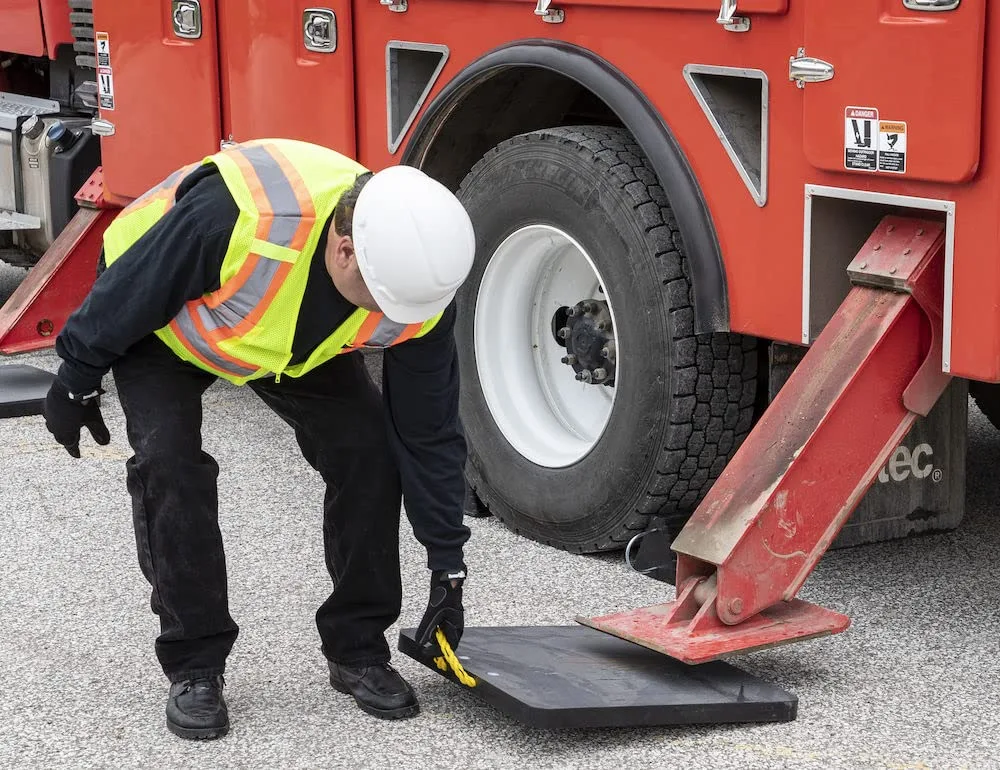
Short answer: in everyday use, outrigger mat, crane pad, outrigger pad and outrigger plate mostly describe the same job: spreading an outrigger’s load over more ground. The real difference is in what you buy: a single-piece pad, a larger or multi-piece outrigger mat, or a steel plate. Choose by load, ground and how often you will reuse it.
| Term | Usually means | Typical form |
|---|---|---|
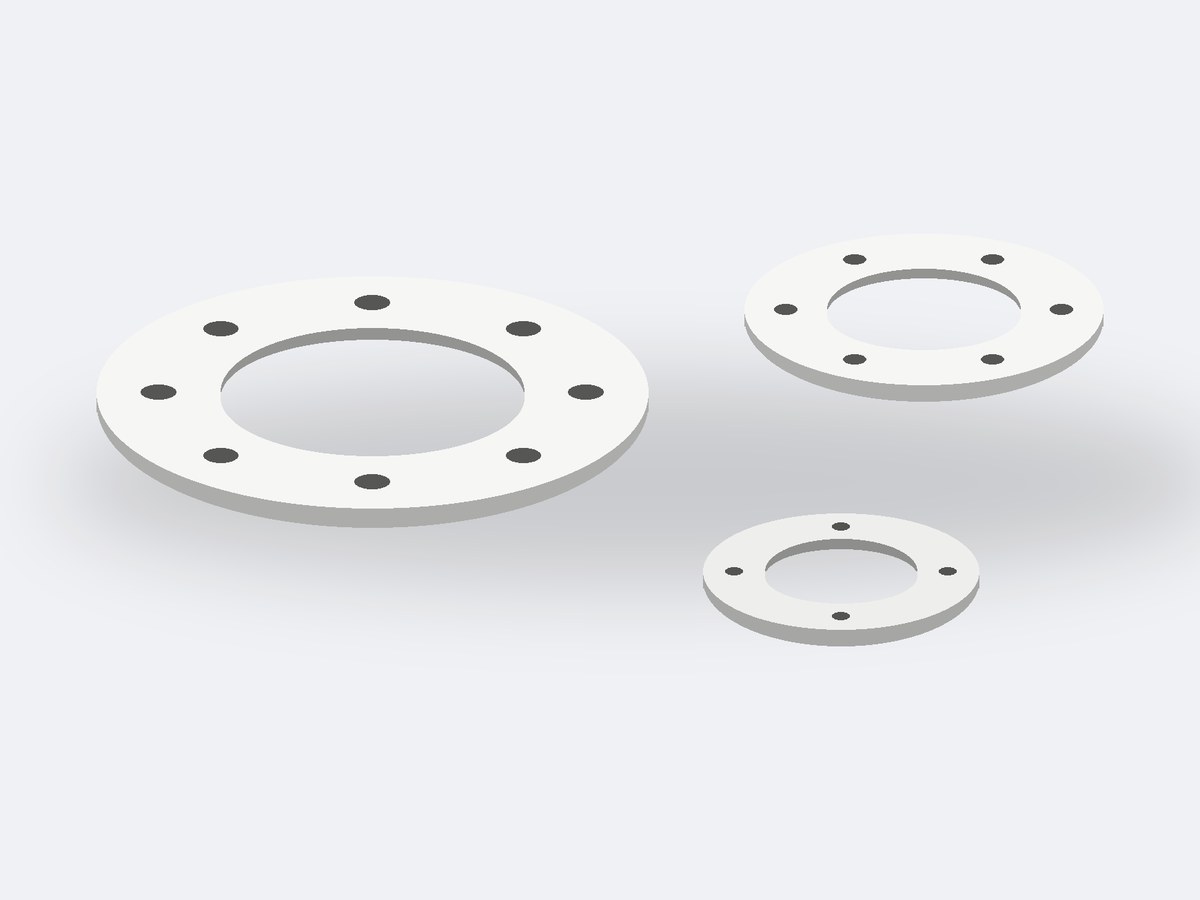
| Outrigger pad | A load-spreading plate under one outrigger foot | Single piece, UHMWPE, rubber, timber or steel |
| Crane pad | Same as outrigger pad, used loosely | Single piece |
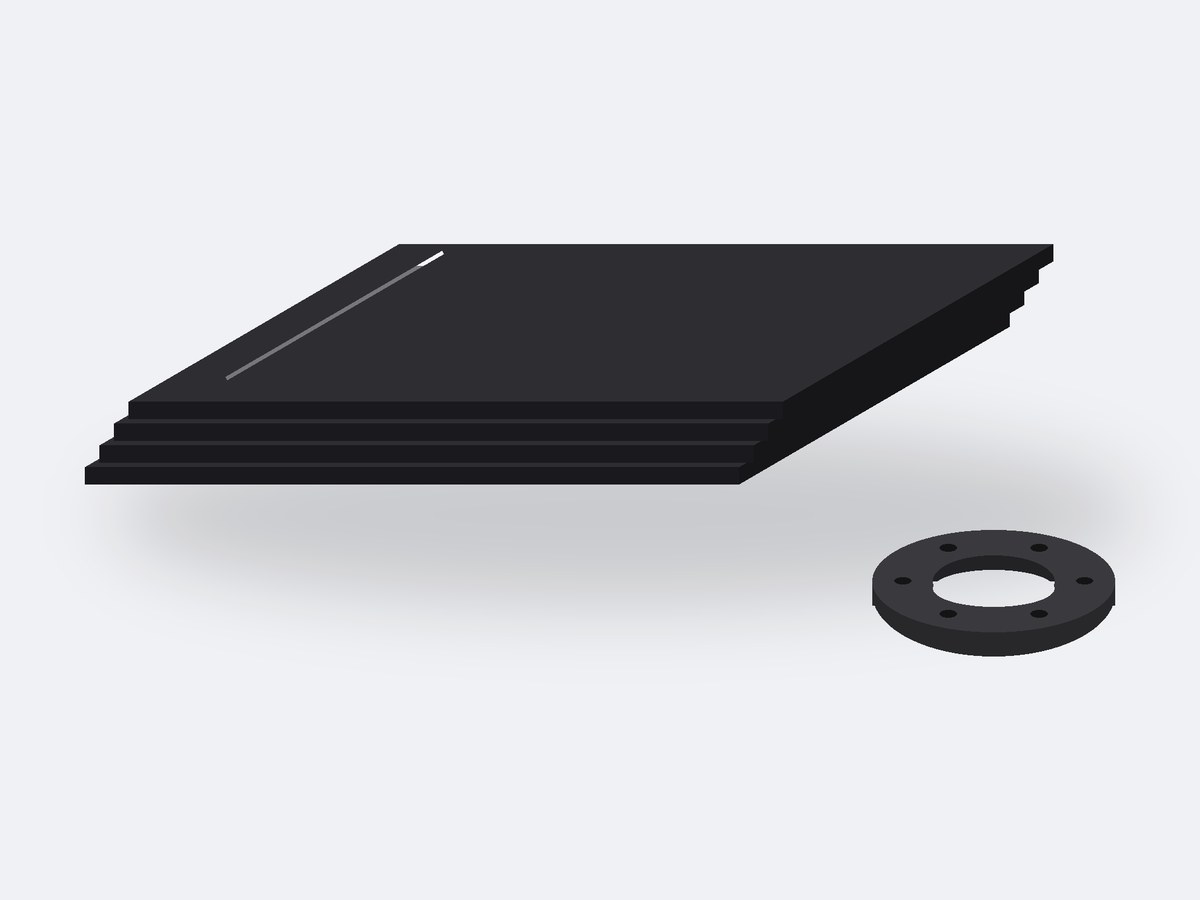
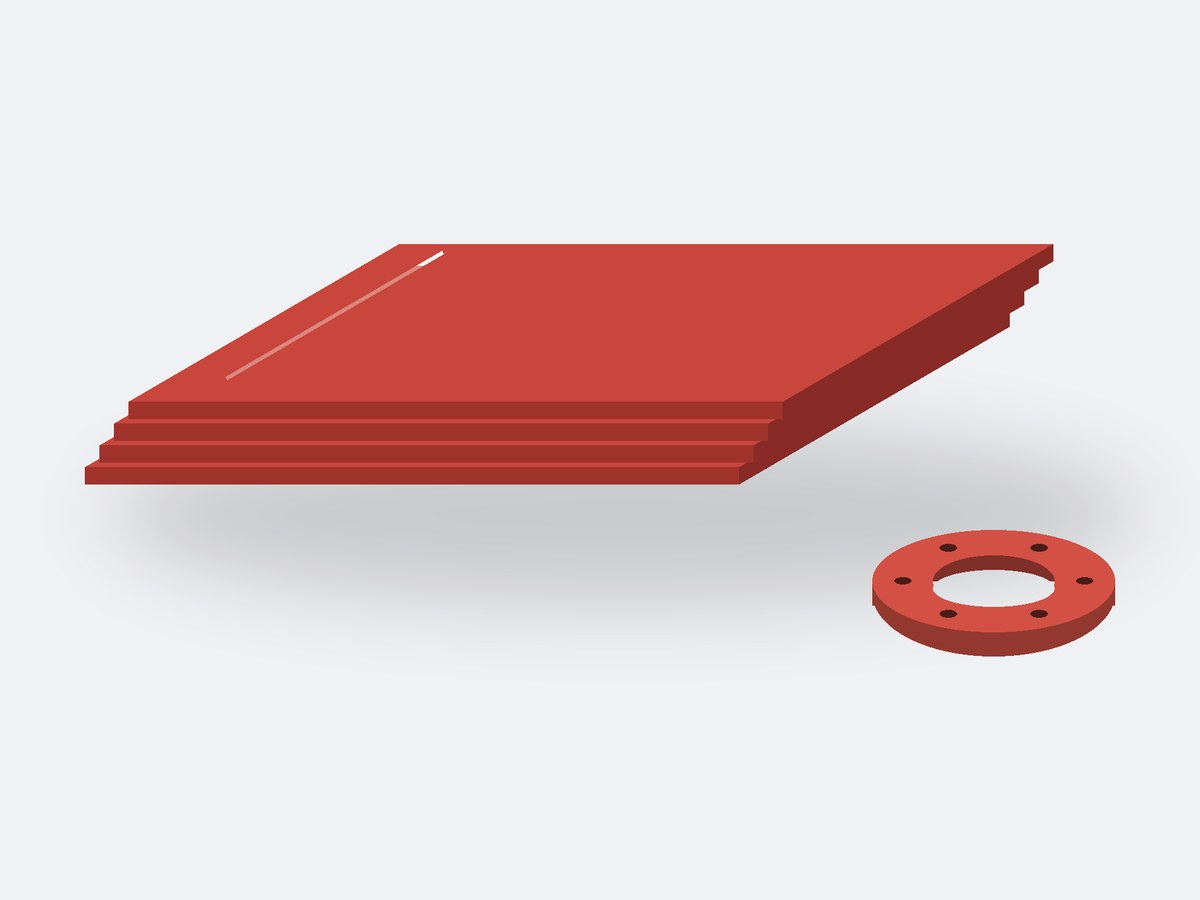
| Outrigger mat | Same job, often a larger or thicker pad, sometimes timber or composite | Single or multi-piece |
| Outrigger plate | Usually a steel plate, sometimes any rigid plate | Steel |
| Crane mat / ground protection mat | A continuous surface for tracks, wheels or access routes | Interlocking panels or timber mats |
Suppliers and contractors use these words differently, so confirm size, thickness, material and rated load in writing rather than relying on the name.
| Situation | Choose |
|---|---|
| Mobile crane, pump truck or boom truck on outriggers | Outrigger pad or mat sized to the leg load |
| Very heavy point load, semi-permanent set-up | Heavy-duty pad, or a steel plate if weight is not a concern |
| Crawler crane, access roads, laydown areas | Crane mats or ground protection mats |
| Repeated use in a hot climate | UHMWPE pad |
| One-off, low-budget job | Timber can be acceptable, but plan for replacement |
Whichever name you use, the size still has to come from the leg load and the ground. See our Crane Outrigger Load Calculation guide and Ground Bearing Pressure for Cranes.
| Material | Strength | Weakness |
|---|---|---|
| UHMWPE | Light, durable, resists heat and chemicals, long life | Higher upfront cost than timber |
| Timber | Cheap, easy to find | Dries, splits and degrades in heat |
| Steel | High capacity per area | Very heavy, corrodes in coastal or humid sites |
For more on materials, see Outrigger Pads vs Timber Cribbing and How to Choose the Right Outrigger Pad.
Lift plans, purchase orders and site inspections are often written by different people. One may write “crane pad”, another “outrigger mat” and a third “outrigger plate” for the same item. Mismatched terms lead to the wrong product arriving on site, or to a steel plate being substituted for a pad that was sized for a larger footprint. Specifying by dimensions, material and rated capacity, rather than by name, avoids this. Our Saferig outrigger pads are listed by size code, dimensions and rated capacity for exactly this reason.
In most conversations, yes. Some suppliers use “mat” for larger, thicker or multi-piece products, so confirm the actual dimensions and rated load.
A crane pad is another name for an outrigger pad: a plate that spreads load from a crane outrigger onto the ground.
Yes for very heavy loads where weight is not an issue, but steel is heavy to handle and can corrode in coastal conditions.
When equipment runs on tracks or wheels across an area, as with crawler cranes and access roads, rather than standing on four outrigger feet.
Related guides: Crane Mat vs Outrigger Pad · How to Choose the Right Outrigger Pad · Outrigger Pads vs Timber Cribbing · Outrigger Pad Size Calculator
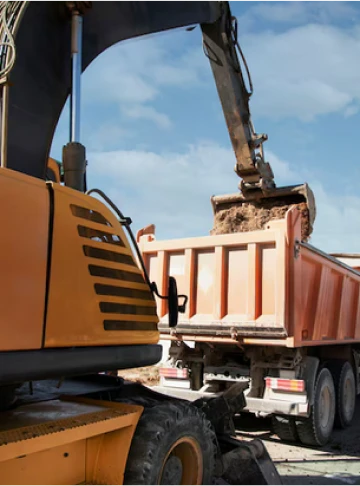
See our range of high-visibility safety mats and markers designed to reduce trip hazards across your site.
 10 October, 2026 | Admin
Planning a crane lift in Qatar means solvi
Read more