Neoprene vs Natural Rubber vs EPDM Bearing Pads: Which Rubber Suits Saudi Conditions?
 23 October, 2026 |
 Admin
Choosing the rubber
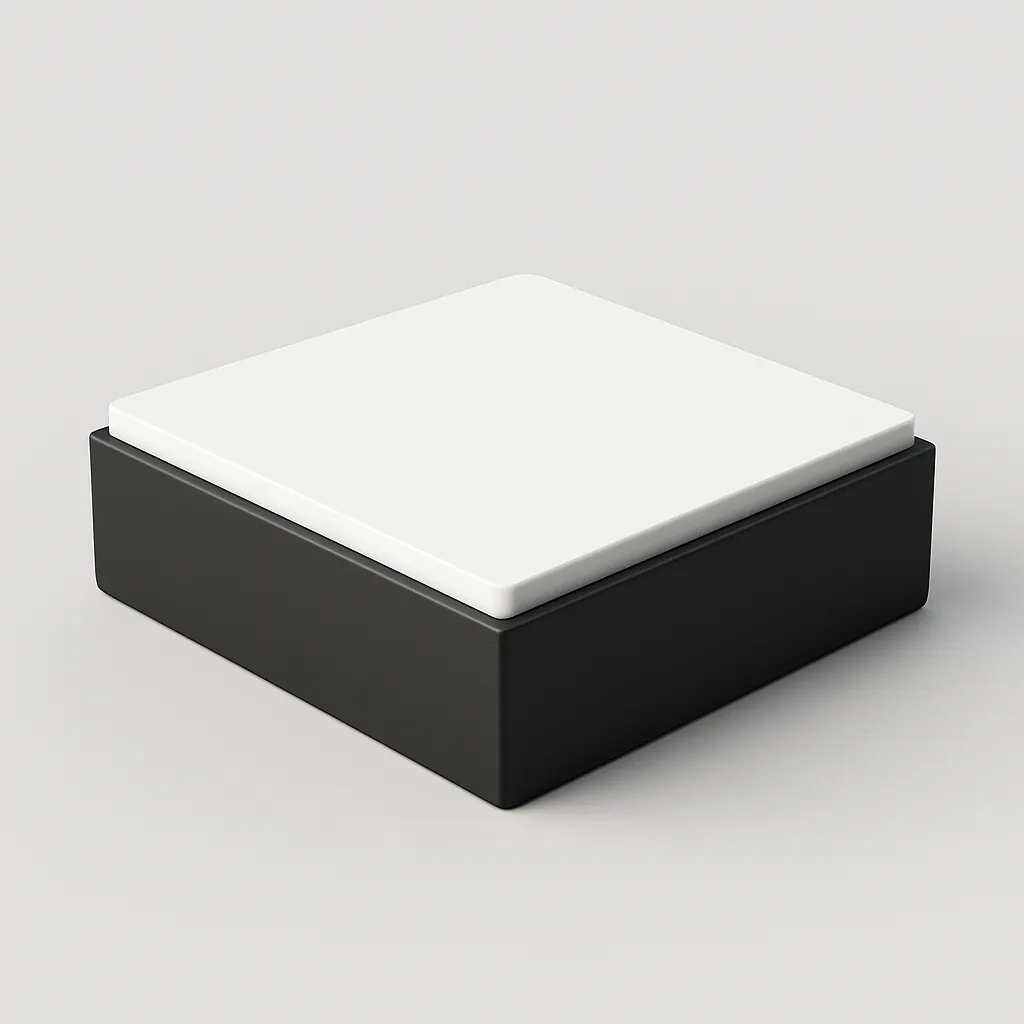
Neoprene vs Natural Rubber Bearing Pads: Bearing pads can be made from several elastomers, and the right one depends on the environment, the specification and the budget. The three names you will hear most often are neoprene, natural rubber and EPDM. They are not interchangeable, and the wrong choice can mean early cracking or a rejected submittal.
Neoprene (polychloroprene)
Neoprene is a synthetic rubber with a strong balance of properties, which is why it is so widely used for bridge bearings.
Strengths
- Good resistance to ozone, sunlight and weathering
- Resists oils, fuels and many chemicals better than natural rubber
- Stable elastic behavior over a wide temperature range
- Named explicitly in bridge standards such as AASHTO M251
Limits
- More expensive than natural rubber
- Not the best choice for very low temperature flexibility compared with natural rubber
Best for: bridges and structures exposed to sun, weather, industrial atmospheres or occasional oil contact.
Natural rubber
Natural rubber has excellent elasticity and fatigue resistance and is also permitted by bridge standards, so many bearings are made from it.
Strengths
- Excellent flexibility and recovery
- Good in cold conditions
- Generally lower cost
Limits
- Weaker ozone and weathering resistance unless well protected
- Poor resistance to oils and fuels
- Can degrade faster under strong, continuous UV and heat
Best for: applications where cost matters, exposure is limited, and the specification allows natural rubber.
EPDM
EPDM is a synthetic rubber known for outstanding weather, ozone and heat resistance. It is common in roofing, gaskets and seals.
Strengths
- Very good resistance to UV, ozone and heat
- Good performance in water and steam
- Stable over a wide temperature range
Limits
- Poor resistance to mineral oils and fuels
- Not the standard elastomer named in bridge bearing specifications
- Bonding to steel plates in laminated bearings needs careful control
Best for: general sealing, gaskets and non-structural pads in non-oily environments. For structural bearings, only use it where the specification explicitly allows it.
Side-by-side comparison
| Property | Neoprene | Natural rubber | EPDM |
|---|---|---|---|
| Ozone and weather resistance | Good | Fair | Excellent |
| Oil and fuel resistance | Good | Poor | Poor |
| Heat resistance | Good | Fair | Very good |
| Low-temperature flexibility | Fair to good | Very good | Good |
| Named in AASHTO M251 | Yes | Yes | No |
| Relative cost | Medium to high | Lower | Medium |
What Saudi conditions demand
Saudi Arabia combines strong sunlight, high surface temperatures, dust and, in coastal areas, humidity and salt. Industrial zones add oils, fuels and process chemicals. For structural bearings this points toward neoprene: it handles outdoor weathering well and tolerates the occasional contact with hydrocarbons that is common around industrial and port infrastructure.
Natural rubber can be acceptable where the specification allows it and the pad is well protected from direct exposure, but neoprene is the safer general choice for exposed bridge and infrastructure work.
Do not choose by price alone
A cheaper pad that cracks early costs far more to replace than the saving on supply, especially when replacement means jacking a bridge. Always confirm three things:
- Which elastomer the project specification permits
- The hardness grade required
- The documents needed to prove the material supplied
Which rubber for which job
- Structural bridge bearings, flyovers, viaducts: neoprene (or natural rubber if the specification allows it)
- Precast panels and general supports in exposed locations: neoprene
- Gaskets, seals and non-structural pads away from oils: EPDM
- Budget-driven, sheltered, specification-permitted use: natural rubber
Talk to us before you order
Diode Trading EST supplies neoprene bearing pads and a wider range of rubber products from our Dammam warehouse, with delivery across Saudi Arabia and a Material Test Certificate supplied with every order. Tell us the application and specification and we will advise which material fits.
Request a Quote | See Neoprene Bearing Pads and our Rubber Sheets range
Neoprene vs Natural Rubber Bearing Pads: Next Steps
For neoprene vs natural rubber bearing pads questions, product data or a quotation, contact Diode Trading EST at sales@diode.sa or browse our product range. Every order ships with a Material Test Certificate, and our quality system is certified to ISO 9001.
Need advice on neoprene vs natural rubber bearing pads? Contact our team at sales@diode.sa for product data and a quotation.
Recent Posts

High Visibility Reduce Trip Hazards
See our range of high-visibility safety mats and markers designed to reduce trip hazards across your site.
Related Blogs