Is it Easy for Cranes to Work on Uneven Surfaces?
 10 March, 2026 |
 Admin
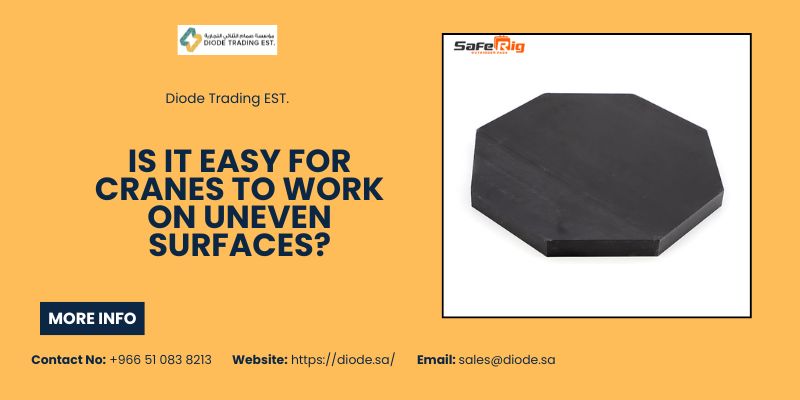
Working safely on uneven surfaces is one of the biggest challenges cranes face on active job sites. When working on construction sites, it is essential to ensure the highest level of safety and stability. Along with mankind, the proper functionality of heavy machinery, including cranes, is paramount.
Whenever it comes to working on uneven and soft surfaces, special attention is needed. Unlike in older days, using a high-quality safety crane outrigger pad in Saudi Arabia may help in the distribution of the weight evenly.
These pads are generally overlooked by many. They instead form critical components in almost every type of construction project.
Do Safety Pads Prevent Equipment Failure?
Until the load of the crane gets evenly distributed across the ground, there remains a risk of a mishap or accident. As the crane will be exerting too much pressure on the surface below, it may result in:
- Soil damage
- Tipping over of the machinery
- Failure of the equipment
With the installation of superb-quality crane outrigger pads, it may become easy to prevent unnecessary penetration of the ground. It will also help in enhancing the rate of stability and ensure a safe working condition.
At construction sites where heavy lifting and high precision are needed, safety pads may serve as primary tools for stabilizing operations. From lifting heavy materials to moving on uneven terrain, these pads can easily absorb the pressure.
It may also ensure the stability of both the crane and the site.
Do Safety Pads Prevent Tipping Over of the Crane?
Tipping over of cranes is one of the highly dangerous incidents on construction sites. It leads to unwanted damage plus injury to many and sometimes loss of lives. It is the result of the uneven distribution of weight over the area that leads to the sinking of the equipment into the soil.
Opting for larger crane outrigger pads for sale in Saudi Arabia may prevent such accidents by distributing the weight evenly across the ground. As such, pads can handle more weight, and the crane remains balanced even while lifting off-center loads.
Whether it is a compact urban site or an expansive construction zone, the right type of outrigger pad can ensure effective stability of the crane.
Do Terrain Types Make a Difference While Choosing Pads?
The performance of safety outrigger pads depends on the type of terrain where they are placed. For soft and unstable surfaces, chemical resistant ptfe seals and linings it will be good to go with a crane outrigger pad in Saudi Arabia, having a high load-bearing capacity.
Whereas, for hard grounds, opting for smaller and more compact pads may do the needful. From plastic to metal, various materials are used for manufacturing outrigger pads.
By making your way to a reliable service provider like Diode, you may arrive at the best decision. The right type of safety pad will withstand the weight of the crane and other environmental factors on the site.
Why wait for an accident to happen? The selection of the most appropriate crane pad may ensure site safety and compliance. The team of experienced professionals will be suggesting the right choice based on utility.
Planning Crane Access on Uneven Ground
Before a crane is positioned on uneven or mixed ground, it helps to walk the specific set-up location and check for soft spots, slopes, or buried services that a general site survey might miss. Combining that site-level check with correctly sized outrigger pads gives the crane operator a more reliable picture of ground support than relying on pads alone.
Recording ground conditions at each set-up location over time also builds a useful reference for planning future lifts on the same site.
Operators moving between multiple sites in a single week benefit from a consistent set of outrigger pads sized for their typical crane models, since re-sizing pads for every new site adds setup time that a standard, pre-matched pad set avoids. With the right outrigger pads, cranes can work confidently and safely on almost any surfaces they encounter on site.
Recent Posts

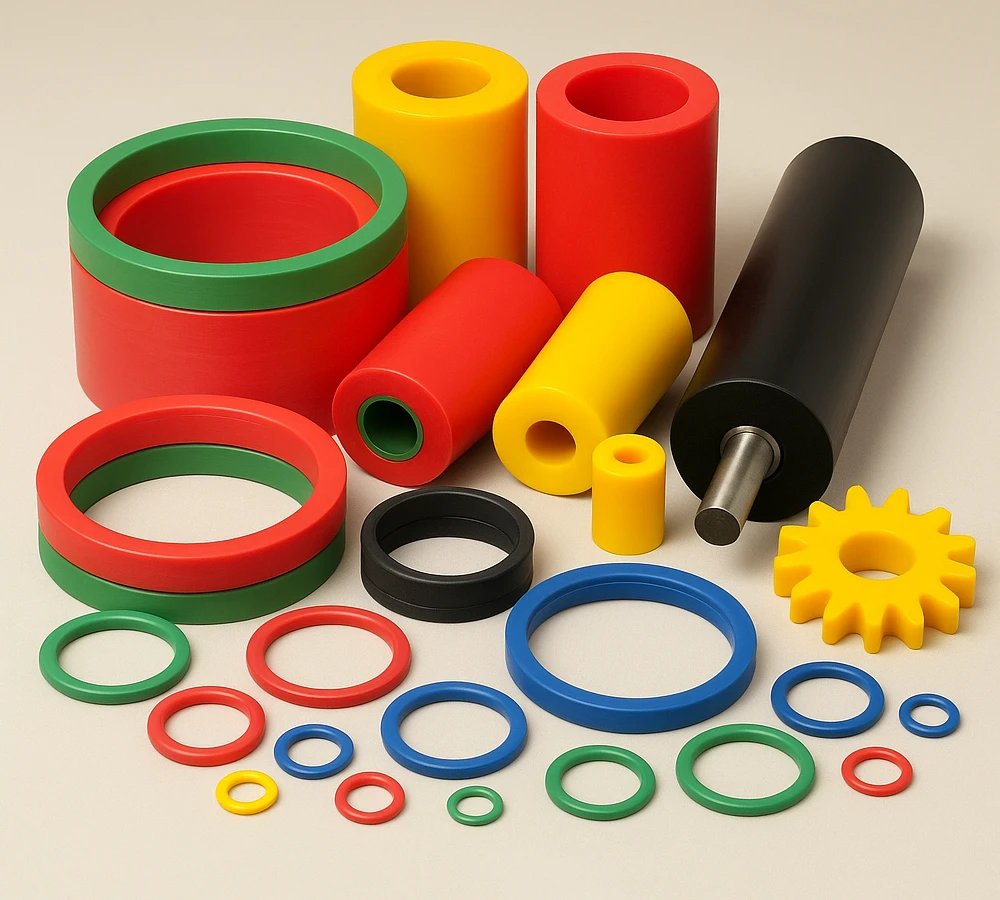

High Visibility Reduce Trip Hazards
See our range of high-visibility safety mats and markers designed to reduce trip hazards across your site.
Related Blogs