 30 October, 2026 |
 Admin
Synthetic Turf in Saudi Arabia
Short answer: Synthetic t
Read more
Enquire Now
 30 October, 2026 | Admin
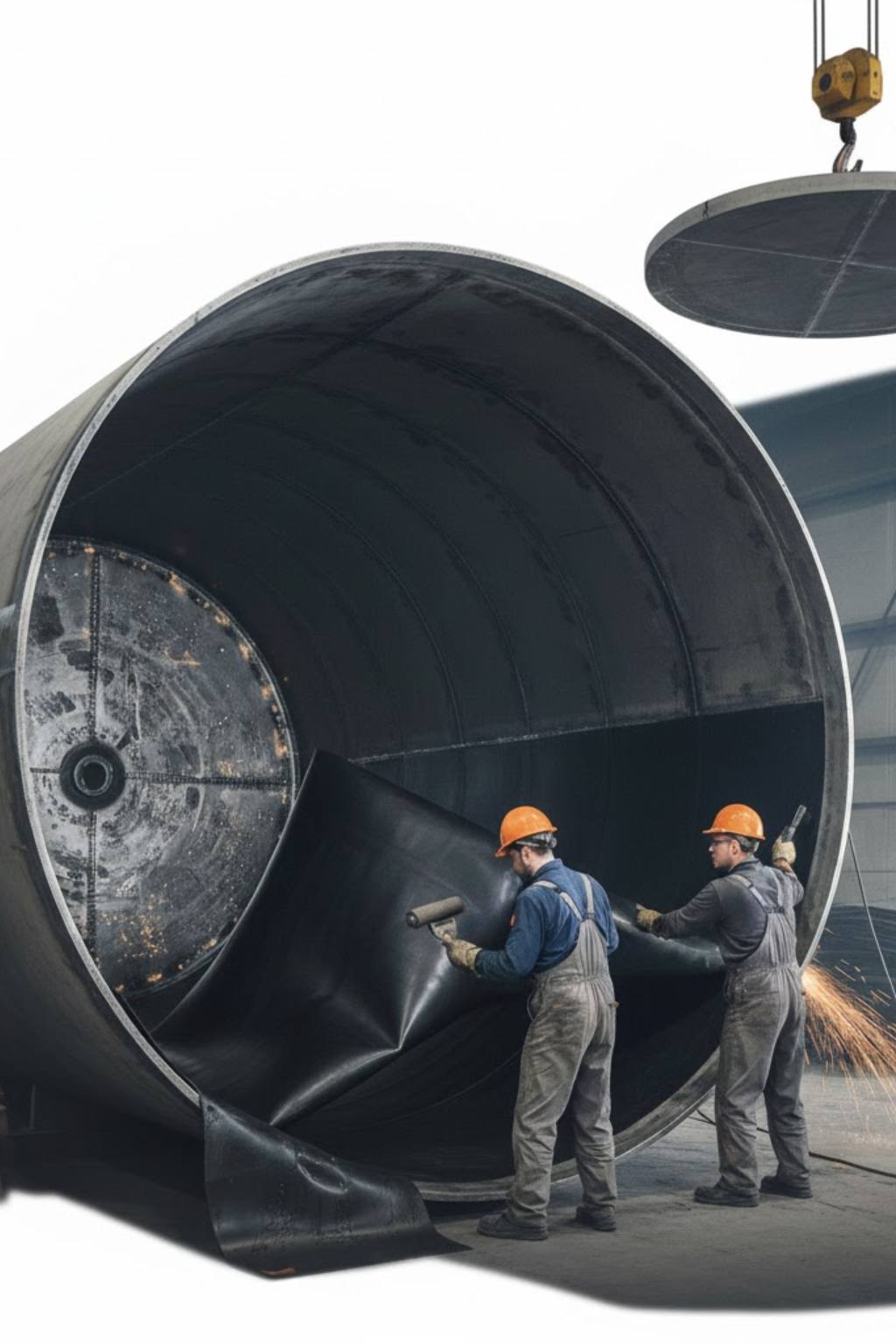
Short answer: Rubber lining is a layer of rubber
sheet fixed inside or on equipment to protect it from abrasion, impact
and corrosion. It is used in chutes, hoppers, tanks, pumps, pipes and
mill equipment. The rubber type, hardness and thickness depend on
whether the main problem is wear, chemical attack or both.
Industrial equipment is attacked by abrasive slurries, sharp rock,
acids and alkalis. Bare steel wears through or corrodes. A rubber lining
absorbs impact, resists abrasion and isolates the steel from the fluid.
It is also quieter than steel and helps reduce noise, and worn linings
can be replaced without replacing the whole equipment.
Always match the rubber to the medium. The wrong rubber swells,
softens or cracks.
If the main problem is abrasion and impact (mining, quarry, dredging,
ash), choose a soft, resilient rubber lining that absorbs the energy of
particles. If the main problem is chemical corrosion (acid or alkali
tanks, scrubbers), choose a chemically resistant rubber and an
application that gives full coverage and sealed joints. For both, share
the details.
Mechanical fixing (bolted or clamped rubber liners) is another
approach for chutes and mill liners, with replaceable panels.
Can you supply lining sheet only, or also application? What rubber
compounds are available? What thickness and hardness do you recommend
for my particle size and velocity? What documents and test evidence come
with the order?
Diode Trading EST supplies rubber products across Saudi Arabia, and
every order ships with a Material Test Certificate. request a quote
Inspect linings during shutdowns for worn spots, blisters, lifted
edges and cuts. Measure the remaining thickness at known wear points.
Patch small damage quickly, because a small break lets material under
the lining and spreads the failure. Record the wear rate, since it tells
you when to plan the next re-lining and helps you pick a thicker or
tougher compound next time.
What is rubber lining? Rubber sheet bonded or fitted
inside equipment to resist wear and corrosion.
How long does a rubber lining last? It depends on
the duty. Heavy abrasive service wears linings faster.
Can rubber lining be repaired? Often yes, with
patches and repair compounds, depending on damage.
Is rubber better than steel for wear? For fine
abrasive slurry and impact, often yes.
Related: Polyurethane Guide · UHMWPE Liners ·
Rubber Sheets Guide
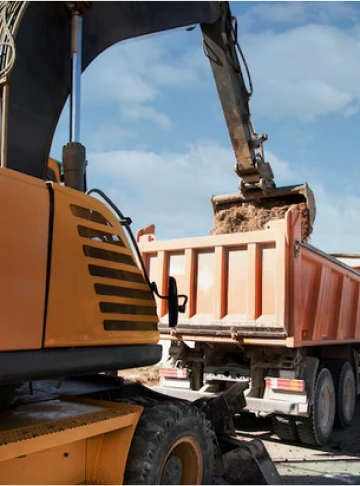
See our range of high-visibility safety mats and markers designed to reduce trip hazards across your site.
Diode Trading EST supplies these Rubber Sheets, Gaskets & Seals from stock in Dammam, with delivery across Saudi Arabia and the GCC.