 10 October, 2026 |
  Admin
Admin
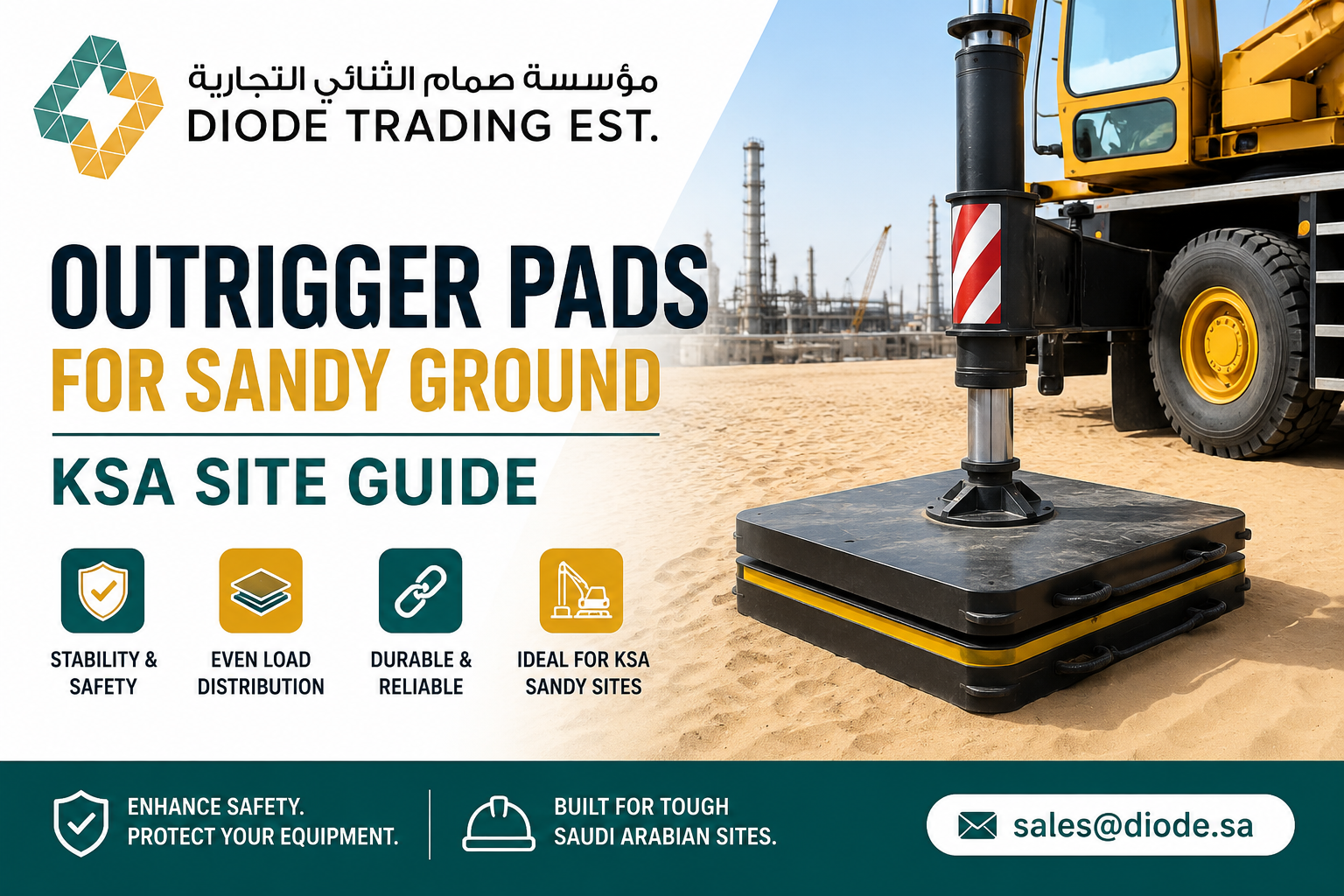
Crane Hire and Outrigger Pads
Planning a crane lift in Qatar means solvi
Read more
Enquire Now
 09 October, 2026 | Admin
Short answer: UHMWPE chute and hopper liners are sheets bolted inside chutes, hoppers, silos and truck beds. Their low friction helps sticky or fine material slide instead of hanging up, and their abrasion resistance protects the steel underneath. They are widely used in cement, mining, ports, power plants and grain handling.
| Application | Why it helps |
|---|---|
| Coal, petcoke and cement raw-material chutes | Prevents build-up and hang-up |
| Port and bulk-terminal hoppers | Wear and corrosion resistance |
| Grain, feed and sugar silos | Non-stick, food-compliant grades available |
| Truck and dumper beds | Faster, cleaner tipping |
| Mining and quarry transfer chutes (sliding duty) | Wear life and noise reduction |
HDPE is cheaper but wears faster in abrasive duty. For a full comparison, read UHMWPE vs HDPE. For conveyor guides, see UHMWPE wear strips and chain guides; for a wider plastics comparison, see POM vs nylon vs UHMWPE vs PTFE.
Diode Trading EST supplies UHMWPE sheets and rods cut to size, with drilling and countersinking on request. For the full selection process, see our guide on how to choose engineering plastic. Every order from Diode Trading EST is supplied with a Material Test Certificate.
Most liner problems come from installation, not from the material. Before fitting UHMWPE liners in a chute, bin or hopper, check the following points.
They greatly reduce build-up because of their low friction and non-stick surface, though very wet or cohesive material may still need flow aids.
No. UHMWPE is limited to about 80 °C continuous; use other materials for hot clinker or ash.
With countersunk bolts recessed below the surface, slotted holes for expansion and overlaps in the flow direction.
Yes for abrasive duty, because of its far better wear resistance.
See our range of high-visibility safety mats and markers designed to reduce trip hazards across your site.
 10 October, 2026 | Admin
Planning a crane lift in Qatar means solvi
Read more