

 10 October, 2026 |
  Admin
Admin
Ariane Ventures Acquires Diode
Ariane Ventu
Read more
Enquire Now
 25 May, 2026 | Admin
Ground planning is an essential factor that helps in reducing downtime and boosting efficiency in the fields of construction, industries, and heavy lifting. Proper ground planning contributes significantly to the stabilization of your machines as well as ease of operation. Through the association of yourself with a good outrigger pads supplier in Saudi Arabia, you can definitely avoid being stuck with unstable grounds.
The proper preparation of the ground is very important regarding safety, time management, and cost reduction. The proper soil analysis, right placement of equipment, and balanced weight distribution ensure that companies will be able to avoid any unnecessary problems. Such ground preparation before the actual start of the construction project proves to be effective and efficient.
It is essential to have proper ground planning for efficient construction procedures. Not only does this help decrease down time, but it will also help promote safety and increase production. Through efficient ground planning, companies will be able to carry out effective assessment of loads and equipment deployment to avoid unnecessary disruptions.
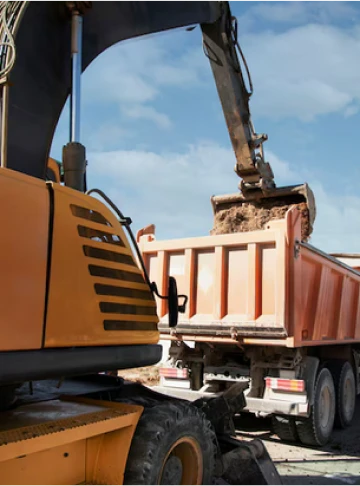
A stable surface will avoid any chances of heavy machinery getting stuck or moving on its own while working. Utilizing an effective crane outrigger pad in Saudi Arabia will be helpful in balancing the load.
Proper planning will go a long way in ensuring that incidents resulting from uneven grounds, unstable machinery, and poor infrastructure are minimized as much as possible. Through proper identification of potential risks before-hand, a safer work environment is assured. This ensures that workers are not worried about the danger involved and are confident in carrying out their work. In this way, productivity is enhanced, while at the same time, people’s overall health and wellness are also guaranteed.
Good load management is key to ensuring an even spread of weight across the surface. This means that less strain will be exerted on particular areas, thus leading to improved lifting capabilities and a reduced chance of failure of the ground.
Ground planning involves preparing well for various weather elements like rainfall and muddy ground conditions that may hinder movement around the site. Ground planning includes assessing the ground terrain, and forecasting the effects that weather elements will bring about on the construction processes. Through ground planning, pathways are ensured to be open even during rainy days. The problems associated with a sloppy ground are foreseen, thus enabling planning for effective construction processes.
Smooth operations and infrequent disruptions in operations lead to increased efficiency. Projects get completed in less time and help adhere to schedules. Smooth operations promote efficiency and avoid delays, which contribute to the better organization of the project process.
Proper preparation of the ground prior to any construction work is imperative if one wants to avoid problems that may arise due to instability of the ground. Preparation of the ground in terms of testing and stabilizing the ground will ensure efficient and seamless flow of the construction work.
Ground planning that is efficient will not only reduce downtime but will increase safety and operational efficiency. This is accomplished through making sure work surfaces are stable, proper positioning of equipment, and reducing risks.
Ground planning tends to work best when it is treated as an early scheduling item rather than something addressed once equipment is already on site and waiting. Reviewing soil and access conditions during the planning phase, and ordering any ground protection or support pads with enough lead time, helps avoid the kind of last-minute delays that ground planning is meant to prevent in the first place.
See our range of high-visibility safety mats and markers designed to reduce trip hazards across your site.

 10 October, 2026 | Admin
Planning a crane lift in Qatar means solvi
Read more