 10 October, 2026 |
  Admin
Admin
Crane Hire and Outrigger Pads
Planning a crane lift in Qatar means solvi
Read more
Enquire Now
 09 October, 2026 | Admin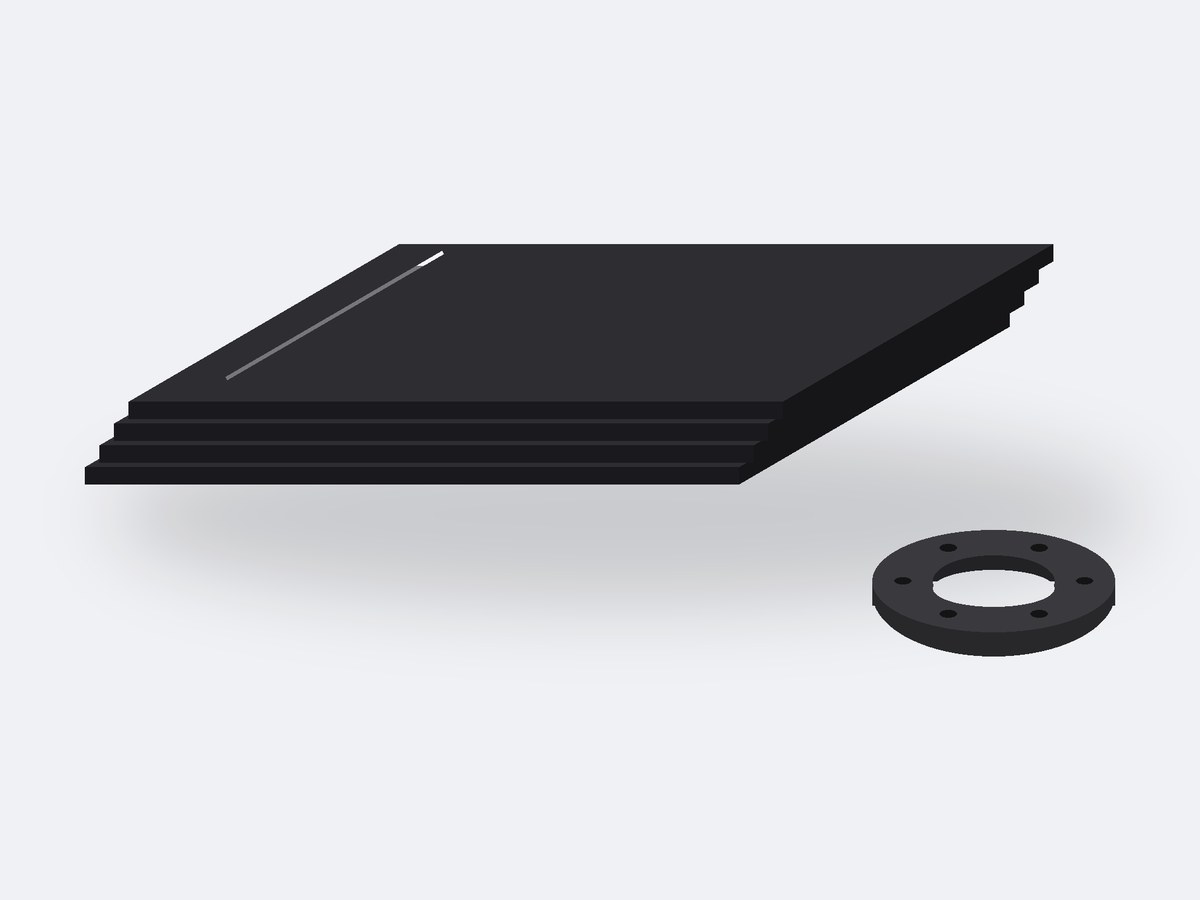
Short answer: Shore A hardness is a number from 0 to 100 that tells you how hard a rubber is, measured with a spring-loaded indenter called a durometer. Softer rubber (lower numbers) seals rough surfaces at low bolt load. Harder rubber (higher numbers) resists extrusion, abrasion and high pressure. Most rubber gaskets fall around 60–70 Shore A.
A Shore A durometer presses a small indenter into the rubber under a spring load. The deeper it sinks, the lower the reading. The method is standardised (for example ASTM D2240 and ISO 48-4). Readings depend on thickness, temperature and how long the indenter is held, so compare values measured the same way.
| Shore A | Feel | Typical uses |
|---|---|---|
| 30–40 | Very soft | Sponge-like seals, low-load gaskets, cushioning |
| 50–60 | Soft | Door and enclosure seals, gaskets on uneven flanges |
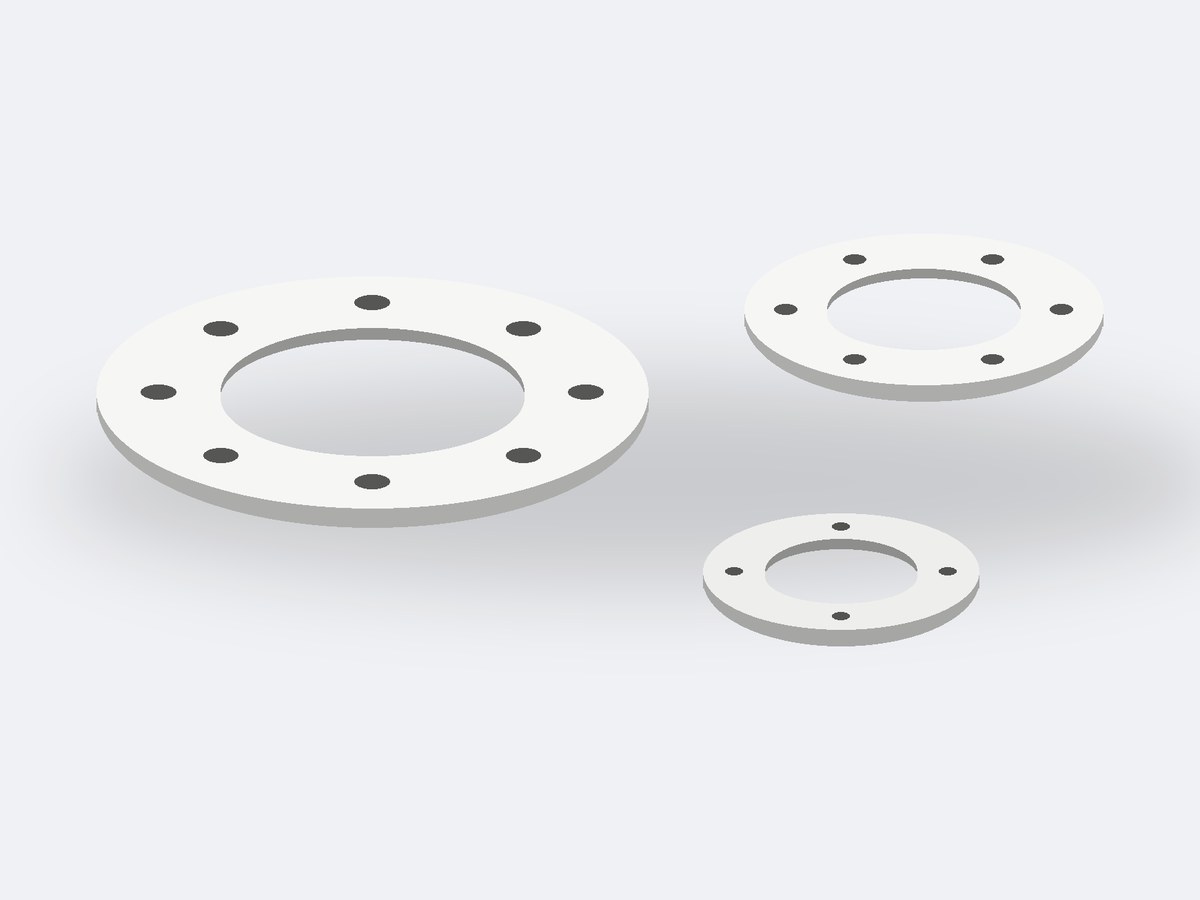
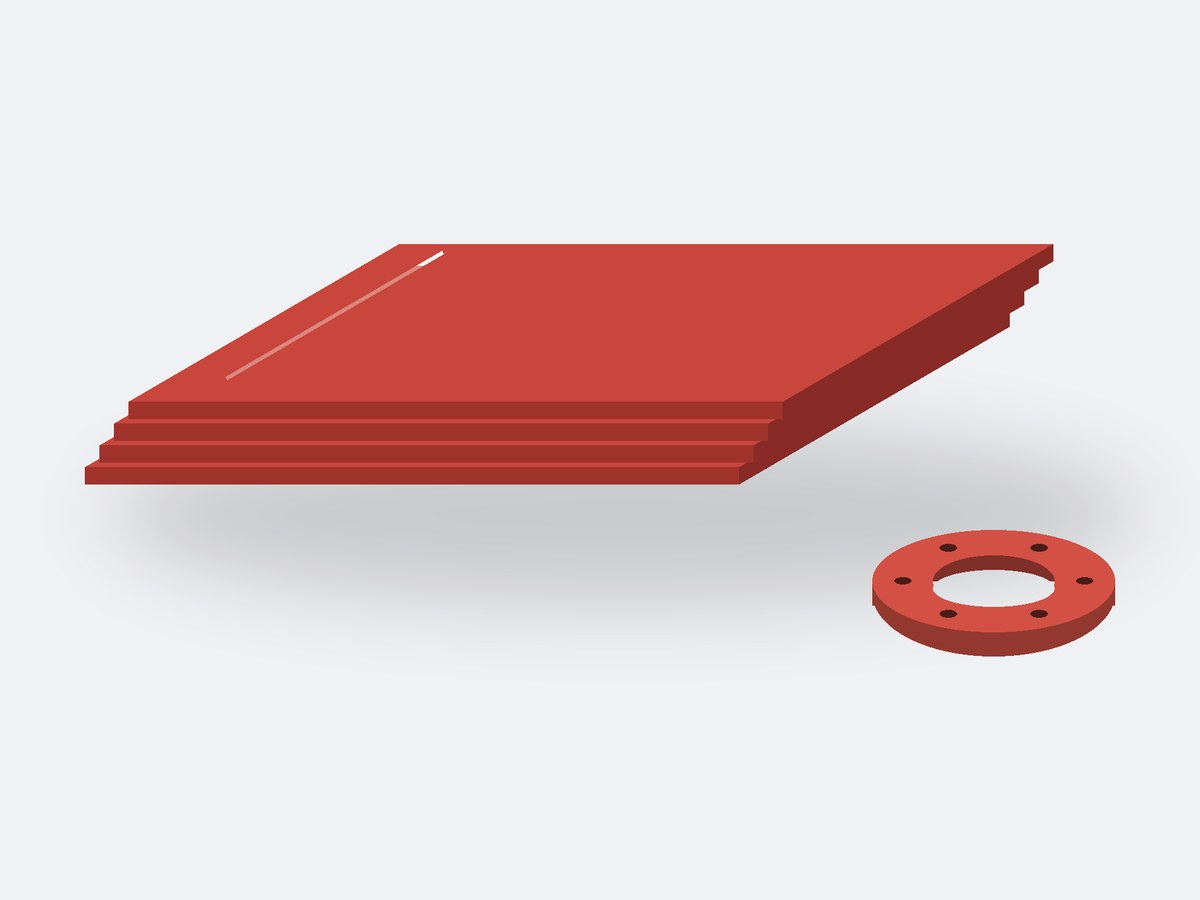
| 60–70 | Medium | General flange gaskets, rubber sheet, pads |
| 70–80 | Firm | Higher-pressure gaskets, wear pads, bearing pads |
| 80–90+ | Hard | Rollers, high-pressure seals, abrasion-resistant parts |
Two rubbers with the same Shore A can behave very differently. The compound (NBR, EPDM, neoprene, silicone), compression set, temperature and chemical resistance all matter. Pick the compound first, then the hardness. See NBR vs EPDM vs neoprene rubber sheet.
Rubber gets harder in the cold and softer in heat. In Gulf conditions, surface temperatures in the sun can be high, so allow for a softer feel in service than at room temperature, and check the compound’s temperature rating.
Related: rubber gaskets for piping, flange gasket types and EPDM rubber sheets. For the full selection process, see our guide on how to choose engineering plastic. Products: rubber sheets and polyurethane products. Every order from Diode Trading EST is supplied with a Material Test Certificate.
If you are not sure which hardness to order, these general rules are a good starting point. Always confirm against the equipment manufacturer or the project specification.
When you order rubber sheet from Diode Trading EST, tell us the compound, the hardness, the thickness and the size you need. We confirm the hardness on the Material Test Certificate supplied with every order.
Most flange gaskets use 60–70 Shore A. Softer rubber suits uneven or light flanges; firmer rubber suits higher pressure.
Not always. Harder rubber resists pressure and abrasion but needs more bolt load to seal and isolates vibration less.
With a Shore A durometer, following standards such as ASTM D2240 and ISO 48-4.
Commonly ±5 Shore A, unless the specification states otherwise.
See our range of high-visibility safety mats and markers designed to reduce trip hazards across your site.
 10 October, 2026 | Admin
Planning a crane lift in Qatar means solvi
Read more