
 05 October, 2026 |
  Admin
Admin
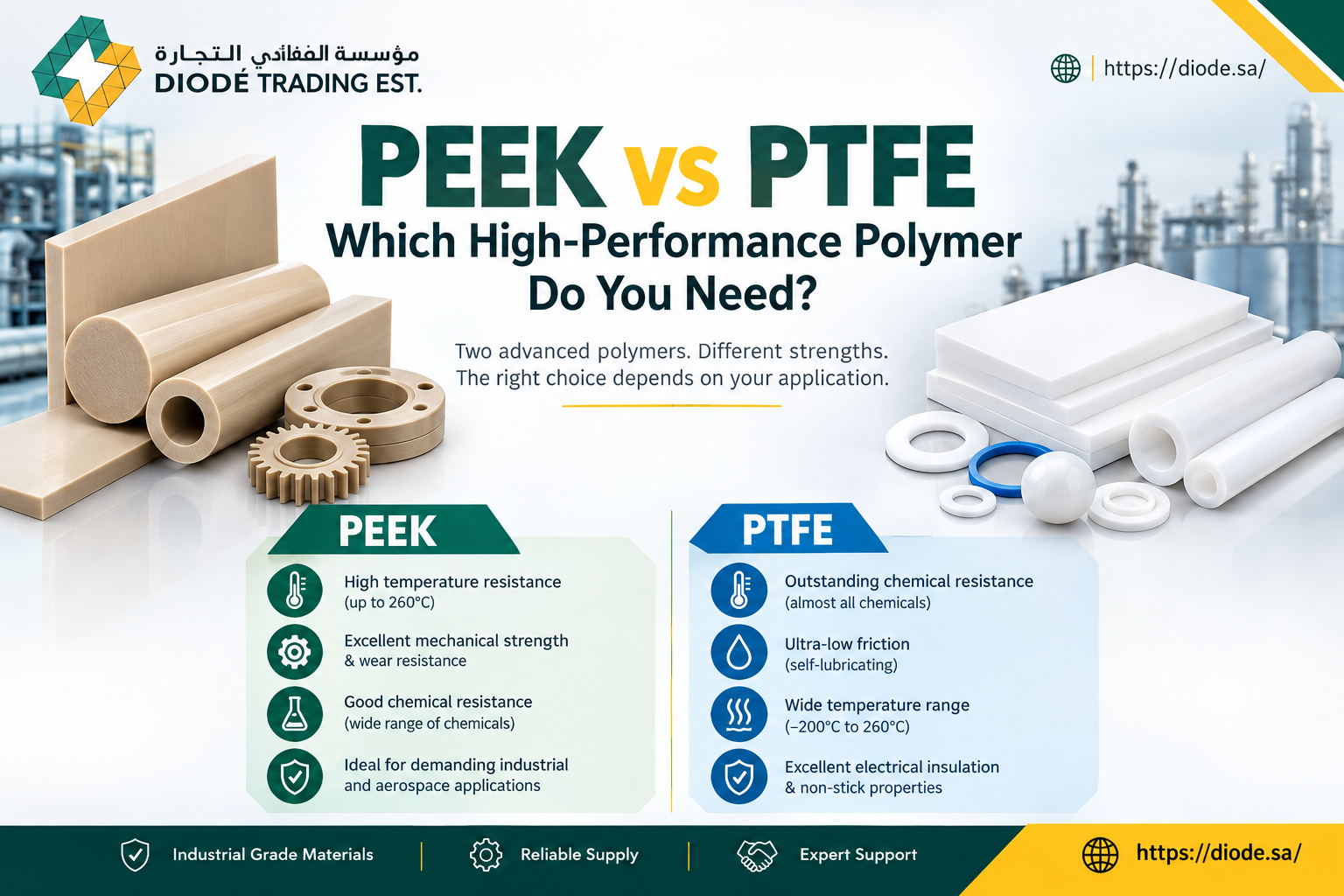
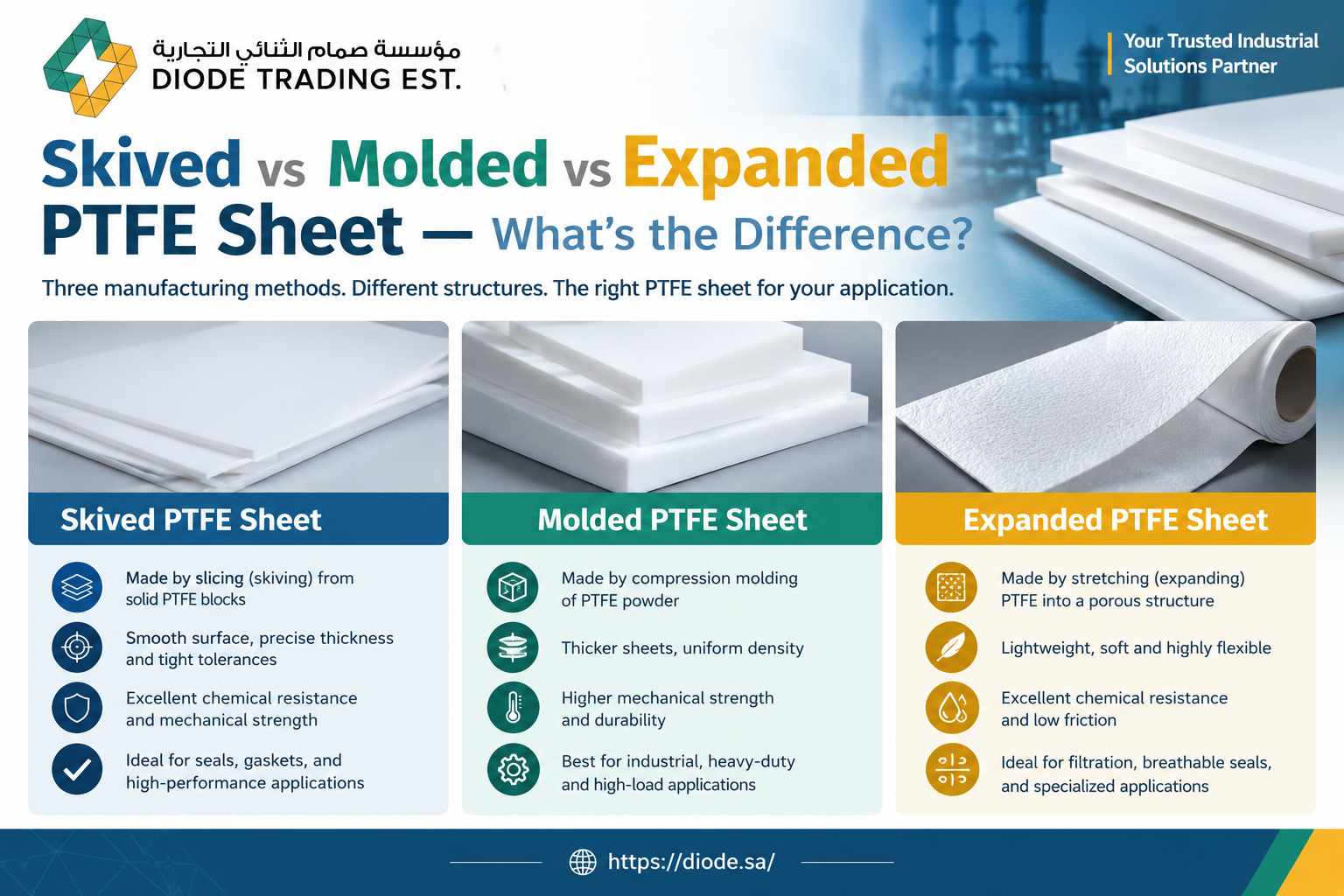
PTFE Components for Food &
Food and beverage processing equipment needs
Read more
Enquire Now
 29 September, 2026 | Admin
A premium rubber gym floor is rarely about the tile alone. When people compare gym flooring, they usually compare tiles — this colour against that finish, this thickness against that one. But in premium facilities, the floor that actually performs well over years of heavy use is rarely a single tile at all. It’s a system: a top layer engineered for grip, colour, and daily wear, sitting on an underlay engineered for something the top layer was never designed to do — absorbing impact and sound before it reaches the structural floor beneath.
The visible surface of a premium rubber floor is typically a rubber compound such as EPDM, chosen specifically for its surface qualities — colour retention, resistance to scuffing, a clean and consistent finish underfoot. This is also the layer where aesthetic decisions live: rough versus smooth, flat colour versus marbled or mottled finish. It’s the layer everyone sees and touches, but on its own, it isn’t usually what’s absorbing the impact of a dropped 40kg barbell.
Beneath the surface tile, a dedicated underlay layer is where impact absorption and acoustic performance actually happen. In heavy free-weight zones, this underlay is what prevents dropped weights from cracking the subfloor and transmitting a loud, sharp impact sound through the building. Verified technical data for one such underlay system shows an Efl-s2 fire reaction rating, close to zero water absorption, and acoustic insulation performance above 20 decibels — figures that matter enormously in mixed-use buildings, residential compounds, or any facility where noise complaints from neighbouring units are a real operational risk, not just a comfort issue.
Budget flooring projects often skip the underlay entirely, relying on a single thicker top layer to do both jobs — look good and absorb impact. It’s a workable compromise for light-use spaces, but it shows its limits fast in any facility with genuine heavy-weight training. Premium facilities increasingly specify the two-layer approach precisely because it lets each layer be optimised for what it’s actually good at, rather than asking one material to compromise on both jobs at once.
For any zone handling free weights, dropped barbells, or plyometric impact, the underlay decision deserves the same attention as the surface tile choice — arguably more, since it’s the layer actually protecting the structural floor and the acoustic environment around it. For lighter-use zones — reception, stretching, cardio-only areas — a single-layer system is often entirely sufficient, and adding an underlay there is unnecessary cost without meaningful benefit.
Diode Trading EST specifies complete flooring systems — top layer and underlay together — for premium gym and fitness projects across Saudi Arabia, using verified components from Bunde Flooring and ErgoFloor, supplied through our partnership with Elaf Rubber. Get in touch with our team to discuss a zoned specification for your facility, or browse the full rubber flooring range directly.
A premium rubber gym floor is a system, not a single product — the top layer gives you grip and appearance, while the underlay does the structural and acoustic work that keeps the floor performing years after installation. For general background on rubber compound performance and testing, see this overview of EPDM rubber. If you are specifying a premium rubber gym floor for a facility in Saudi Arabia, speak with Diode’s team about the right system for your load and usage profile.
Just the areas handling heavy impact — free-weight zones, Olympic lifting platforms, plyometric areas. Lighter-use zones like reception, cardio, or stretching areas typically don’t need one.
Two things primarily: the structural subfloor (from cracking under repeated heavy impact) and the acoustic environment (reducing noise transmission to neighbouring spaces, which matters most in mixed-use or residential buildings).
Not functionally. A single thicker tile is a workable compromise for lighter use, but a genuine two-layer system — surface tile optimised for wear and finish, underlay optimised for impact and acoustic performance — consistently outperforms it in heavy-use, premium facilities.
See our range of high-visibility safety mats and markers designed to reduce trip hazards across your site.
 05 October, 2026 | Admin
Food and beverage processing equipment needs
Read more 05 October, 2026 | Admin
Pharmaceutical manufacturing environments dem
Read more 04 October, 2026 | Admin
Semiconductor and electronics manufacturing p
Read more