 30 October, 2026 |
 Admin
Synthetic Turf in Saudi Arabia
Short answer: Synthetic t
Read more
Enquire Now
 30 October, 2026 | Admin
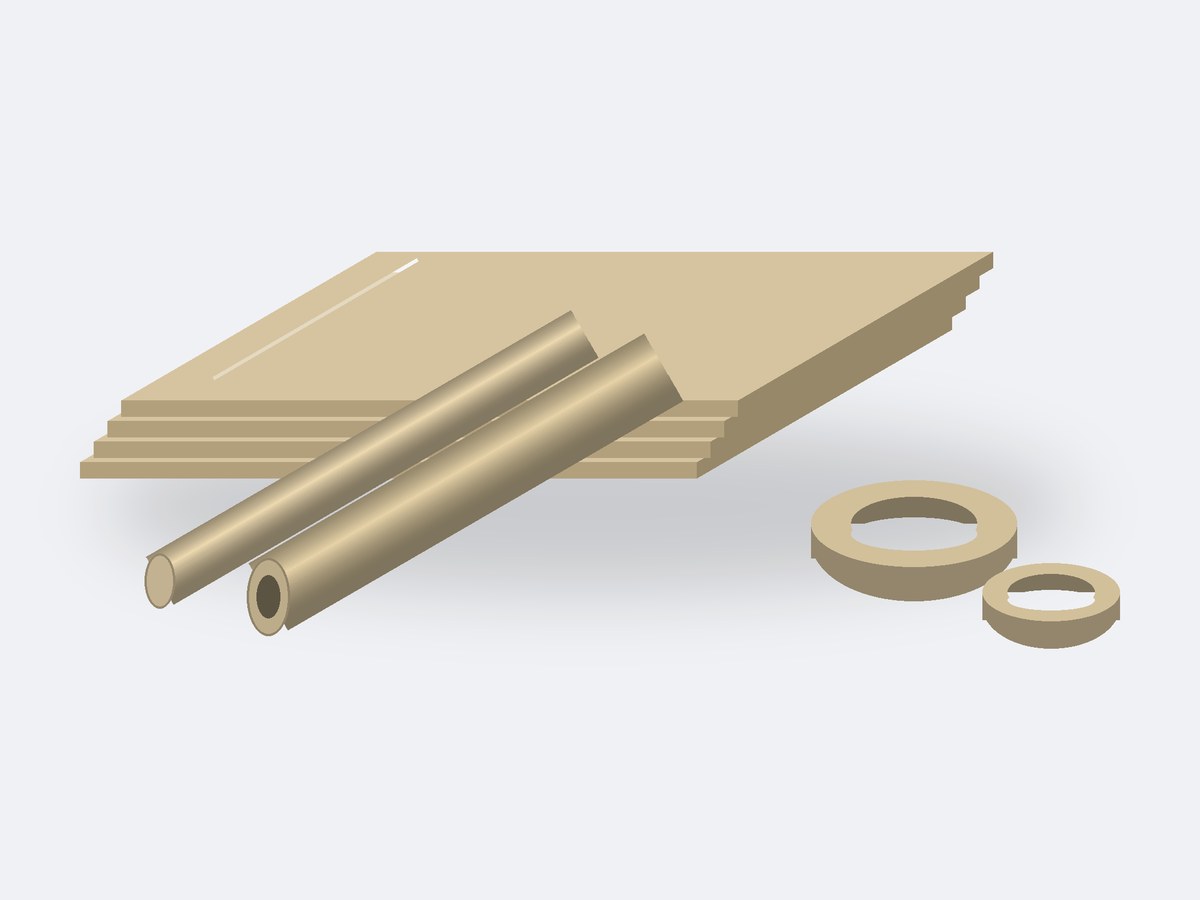
Short answer: PPS (polyphenylene sulphide) is a
rigid engineering plastic with very good chemical resistance,
high-temperature capability, low moisture absorption and excellent
dimensional stability. It sits between common engineering plastics and
PEEK in performance and cost, and is used for pump parts, insulators,
valve components and fixtures.
When nylon or POM is not enough for heat or chemicals but PEEK is too
costly, PPS is often the answer.
Free engineering tools
PPS is available unfilled and reinforced with glass or other fillers,
which increase stiffness and reduce thermal movement. Reinforced grades
are common for structural and wear parts. Check which grade you are
buying.
| Application | Why PPS |
|---|---|
| Pump and valve components | Chemical and heat resistant |
| Electrical insulators | Stable insulation and low moisture uptake |
| Fixtures and jigs | Holds dimensions when hot |
| Chemical process parts | Wide chemical resistance |
| Wear parts in hot service | Reinforced grades wear well |
PPS machines well with sharp tools. Reinforced grades wear tools
faster, so use carbide. For tight tolerances, allow for stress
relief.
Form, size, grade, temperature, chemical contact and quantity. Diode
Trading EST supplies PPS sheets and rods in Saudi Arabia, and every
order ships with a Material Test Certificate. request a quote
For a new PPS part, order one or two pieces first. Machine and test
them under working conditions, and check fit, heat and chemical
behaviour before ordering the full quantity. This avoids stocking a
costly grade that is not right for the job.
Many plants start with nylon or POM, find they fail from heat or
chemicals, and jump straight to PEEK. PPS is a useful step in between.
It handles higher temperature than most common plastics, has very low
moisture uptake, and costs less than PEEK. It is a strong candidate for
jigs and fixtures that go through hot processes, insulating parts, and
pump and valve components in chemical service.
Is the PPS unfilled or glass reinforced? What is the working
temperature limit for the grade? Is the stock annealed? What is the
tolerance on thickness? What documentation accompanies each batch?
A chemical pump wear ring, an electrical insulator in a warm panel, a
jig for parts that go through a hot cleaning process, an insulating
spacer in a hot environment and a valve component in chemical service
all take advantage of PPS’s stability. It is chosen when the plastic
must keep its shape and not absorb moisture.
What is PPS plastic? Polyphenylene sulphide, a
rigid, heat and chemical resistant engineering plastic.
Is PPS the same as PEEK? No. They are different
polymers. PEEK performs higher and costs more.
Does PPS absorb moisture? Very little.
Is PPS brittle? More than nylon. Avoid heavy shock
loads without testing.
Related: PEEK Guide · Nylon Guide · Engineering Plastics Guide

See our range of high-visibility safety mats and markers designed to reduce trip hazards across your site.
Diode Trading EST supplies these Engineering Plastics from stock in Dammam, with delivery across Saudi Arabia and the GCC.