 05 October, 2026 |
  Admin
Admin
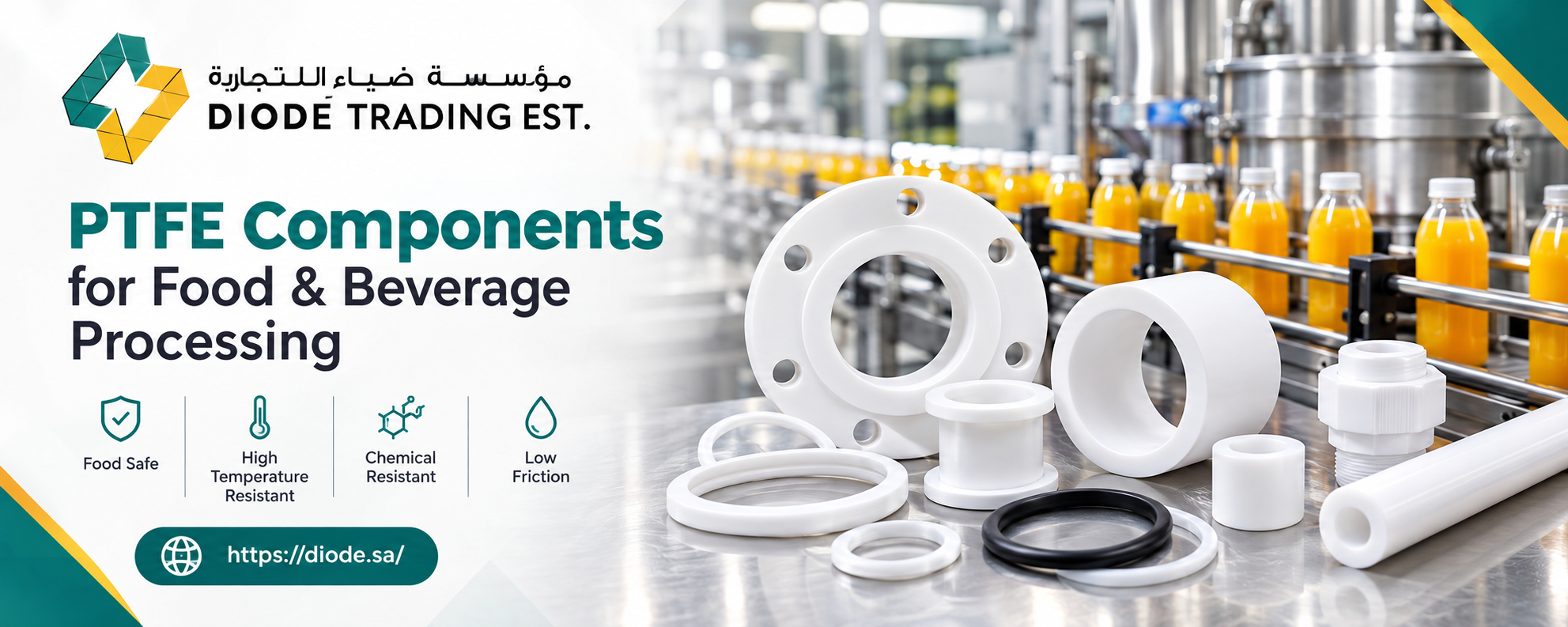
PTFE Components for Food &
Food and beverage processing equipment needs
Read more
Enquire Now
 01 October, 2026 | Admin
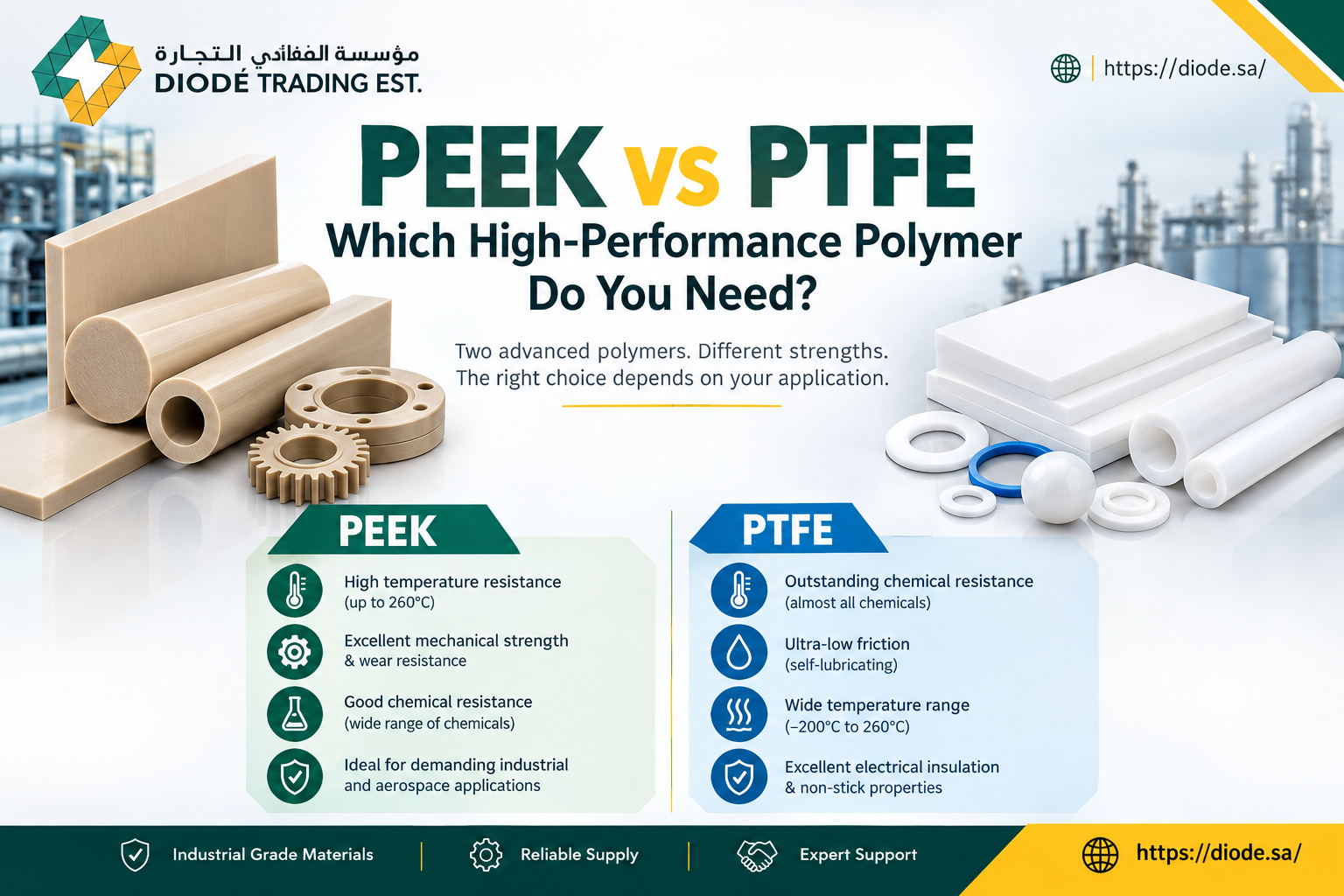
PEEK (Polyether Ether Ketone) and PTFE are both high-performance engineering polymers used where standard plastics fail, but they solve different problems. In a PEEK vs PTFE decision, the short version is that PTFE wins on chemical resistance and friction, while PEEK wins on mechanical strength and wear under load.
| Factor | PTFE | PEEK |
|---|---|---|
| Chemical resistance | Excellent, near-universal | Very good, but narrower than PTFE |
| Mechanical strength | Lower: relatively soft, prone to cold flow | Very high: one of the strongest engineering plastics |
| Wear resistance | Fair (better with fillers) | Excellent, even unfilled |
| Friction coefficient | Extremely low | Higher than PTFE |
| Max continuous temperature | Approximately 260°C | Approximately 250°C, but retains strength better at high temperature |
| Cost | Moderate | High |
Properties and values described here are typical and are confirmed on quotation for your project.
Explore our PTFE range, including virgin PTFE sheets and rods and filled grades in the PTFE grades guide.
Our PEEK sheets and rods are suited to machined parts of this kind.
PTFE is relatively soft and prone to cold flow, so under sustained load it can deform; fillers such as glass, carbon or bronze reduce this. PEEK keeps its shape under load and at temperature but costs more and does not match PTFE for friction or breadth of chemical resistance. The right choice follows the dominant requirement: sealing and chemical inertness point to PTFE, while load-bearing and wear point to PEEK. A filled PTFE grade is often a lower-cost step before moving to PEEK.
No, they are suited to different jobs. PTFE remains the better choice for pure chemical resistance and low-friction sealing applications regardless of cost; PEEK's advantage is mechanical strength, which is not relevant for every application.
Yes. PEEK-filled or PEEK-blended PTFE grades exist, offering a middle ground between PTFE's chemical and friction properties and PEEK's added mechanical strength for specific applications.
PTFE is typically quoted at approximately 260°C continuous and PEEK at approximately 250°C, though PEEK retains its strength better at high temperature.
Not sure which polymer suits your part? Send your drawings, operating conditions and quantities to our Al Khobar team and we will recommend and quote PEEK or PTFE.

See our range of high-visibility safety mats and markers designed to reduce trip hazards across your site.
 05 October, 2026 | Admin
Food and beverage processing equipment needs
Read more 05 October, 2026 | Admin
Pharmaceutical manufacturing environments dem
Read more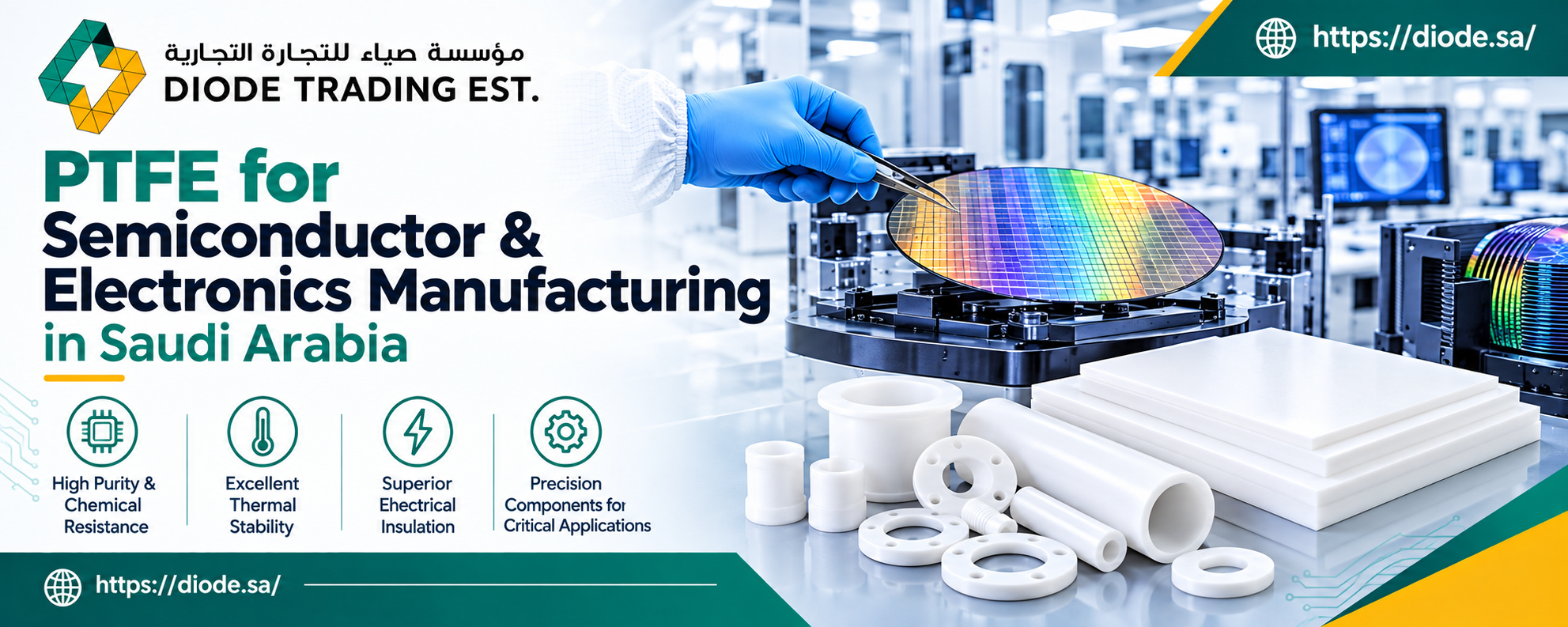 04 October, 2026 | Admin
Semiconductor and electronics manufacturing p
Read more