

 05 October, 2026 |
  Admin
Admin
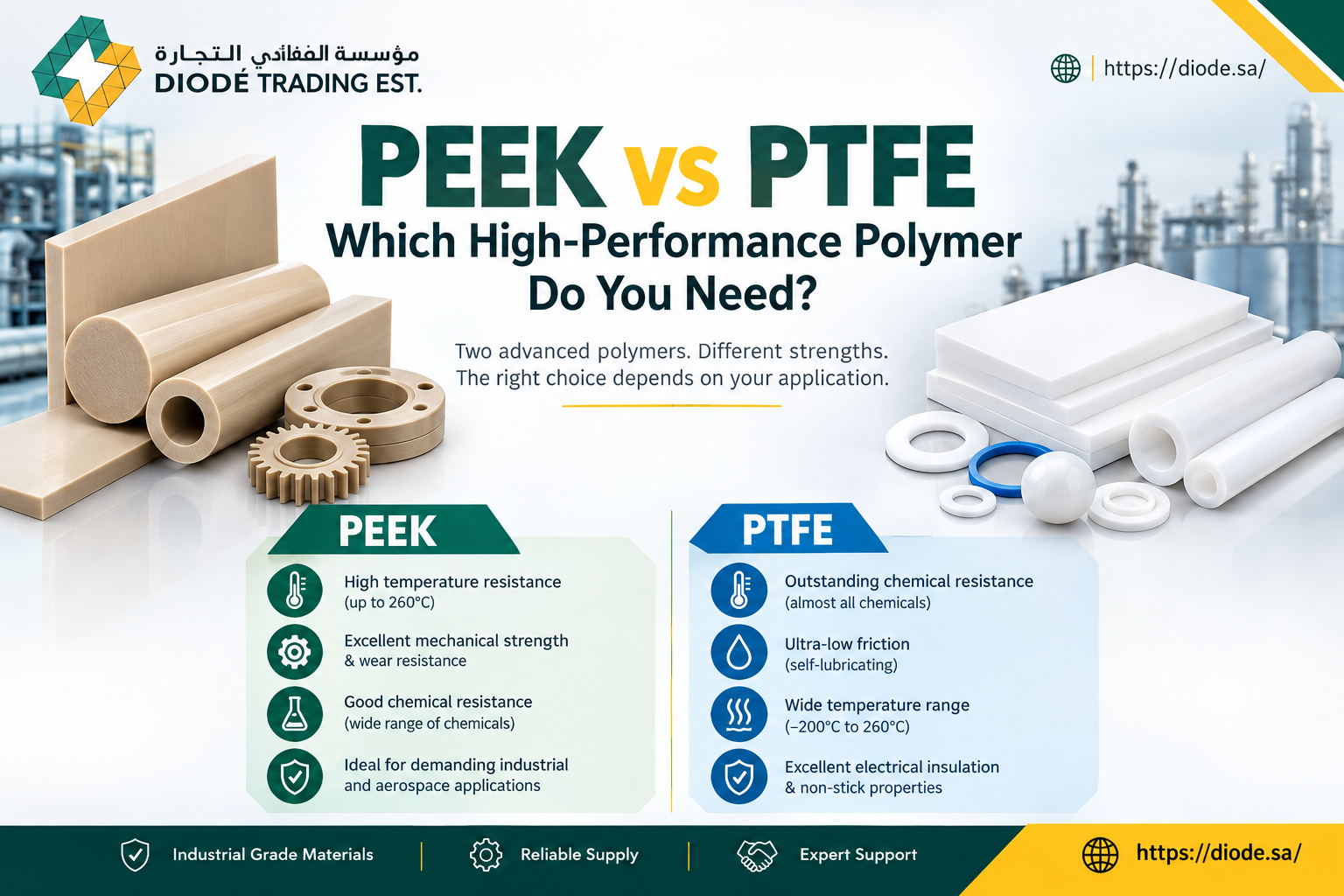
PTFE Components for Food &
Food and beverage processing equipment needs
Read more
Enquire Now
 17 August, 2026 | Admin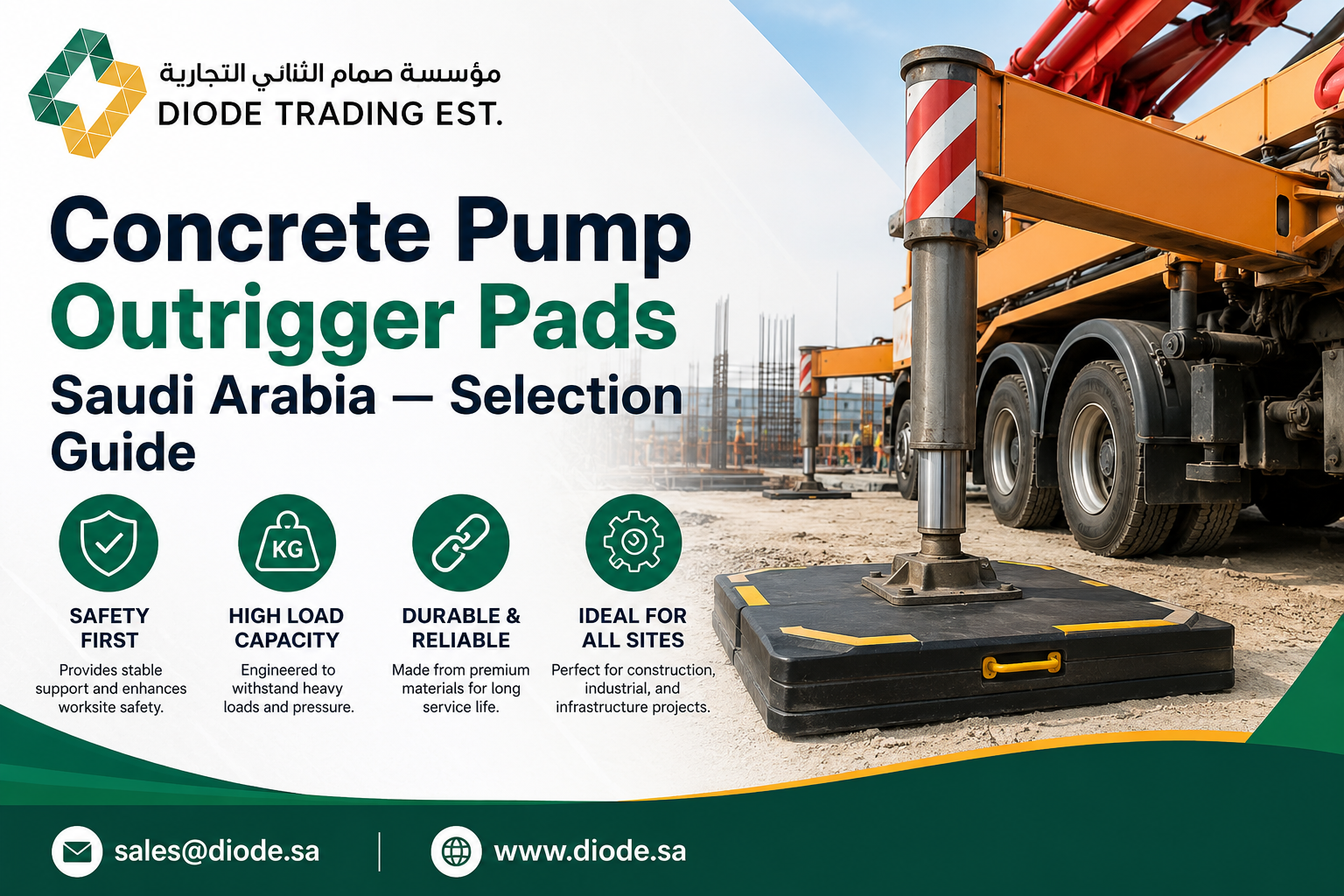
Concrete pump outrigger pads Saudi Arabia sizing starts with a key difference from mobile cranes: instead of a swinging, variable load, a pump truck applies a sustained, concentrated point load for the full duration of the pour, which is why pump-specific outrigger pad sizing matters.
A mobile crane’s outrigger load shifts as the boom slews and the hook moves, so the peak load at any one point is often brief. A concrete pump holds a fixed position for the length of the pour, sometimes an hour or more, which means the ground under each outrigger pad carries close to its full working load continuously rather than in short bursts. That sustained loading is harder on soft or marginal ground than an equivalent peak load from a crane.
| Boom Class | Typical Outrigger Load | Recommended Footprint |
| 28–32m boom | 4–6 t/outrigger | 600×600mm min |
| 36–42m boom | 6–9 t/outrigger | 800×800mm min |
| 47–62m boom | 9–14 t/outrigger | 1000×1000mm+ |
Backfilled trenches, recently poured slabs still curing, and sites with a shallow water table all reduce ground bearing capacity below what a standard-size pad assumes. On these sites, size up from the table above rather than relying on the minimum footprint for the boom class. OSHA’s ground conditions requirement for cranes and derricks (29 CFR 1926.1402) makes the same point for lifting equipment: the supporting material has to match the ground, not just the machine’s rated capacity.
Diode Trading EST stocks concrete pump outrigger pads across the boom-class range above, and can size a custom footprint for larger placing booms on request. Ready-mix and precast contractors across the Eastern Province and central Saudi Arabia use these pads to keep pump trucks stable through long, continuous pours.
Diode Trading EST supplies concrete pump outrigger pads Saudi Arabia contractors rely on, sized for sustained pour loads. Contact us with your pump’s boom class and site conditions.
Concrete pump outriggers apply load in a slightly different pattern than crane outriggers, often with more frequent repositioning across a single pour. Checking pads for surface damage or embedded aggregate between jobs helps keep the contact surface flat, which matters more for pump trucks than for equipment that stays in one position for an entire lift.
Because pump trucks are often on a tighter pour schedule than crane lifts, it also helps to have a spare pad or two on the truck rather than relying on the exact number needed, in case ground conditions at a specific pour location call for an extra pad to spread load safely.
Concrete pours are typically scheduled tightly around weather and traffic conditions, so outrigger pads for a pump truck should ideally arrive with enough lead time to be checked and positioned before the pour crew is ready to start. Building this small buffer into your delivery request, rather than timing delivery to the exact start of the pour, reduces the risk of the pump truck sitting idle while pads are still being sourced.
On sites running more than one pump truck at a time, labeling pads by truck helps prevent pads sized for one truck’s outrigger spread from being used on a different model with a different footprint.
Where multiple pump trucks share a small site, color-coding or numbering pads by truck alongside the label also speeds up visual checks during a busy pour day.
Sharing this labeling system with the pump operator during their site induction ensures the right pad is grabbed quickly even under time pressure on a busy pour schedule.
Keep this concrete pump outrigger pads Saudi Arabia sizing reference on file for every pour, since concrete pump outrigger pads Saudi Arabia records are what site engineers and auditors check first on future jobs. A consistent concrete pump outrigger pads Saudi Arabia labeling and storage routine also cuts setup time for crews on repeat sites.
See our range of high-visibility safety mats and markers designed to reduce trip hazards across your site.
 05 October, 2026 | Admin
Food and beverage processing equipment needs
Read more 05 October, 2026 | Admin
Pharmaceutical manufacturing environments dem
Read more 04 October, 2026 | Admin
Semiconductor and electronics manufacturing p
Read more