Strip curtain vs air curtain is a common comparison, and rapid roll doors often enter the discussion too. All three aim to limit the loss of temperature, dust and noise through an open door, but they work in different ways and suit different sites. This guide compares them on cost, energy, maintenance and performance.
There is no single winner. The best choice depends on how often the door opens, the temperature difference and how much you want to spend.
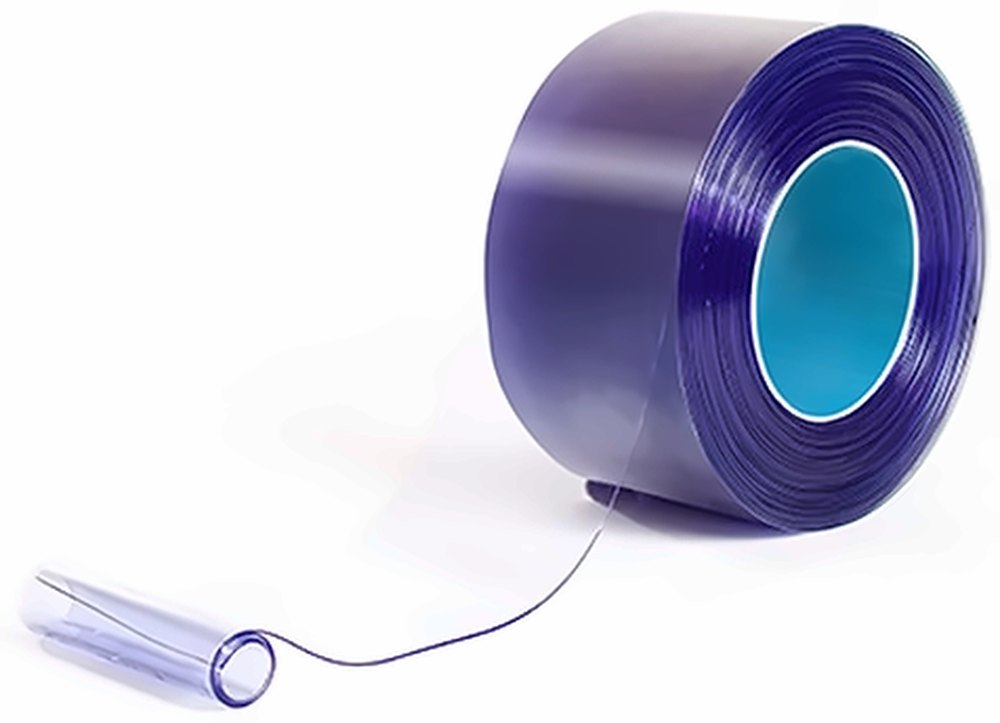
A PVC strip curtain is a set of hanging strips that form a physical barrier. People and vehicles push through and the strips swing back. An air curtain blows a stream of air across the opening to create an invisible barrier. A rapid roll door is a motorised fabric door that opens and closes quickly.
Strip curtains: strengths and limits
Strip curtains are simple, have no moving parts and use no power. They are low cost, quick to install and easy to repair by replacing single strips. Their limit is that they are a physical barrier that vehicles and people must push through, and they need cleaning and eventual replacement.
Air curtains: strengths and limits
Air curtains leave the opening completely clear, which is useful for constant traffic. They use electricity, and their performance is affected by wind and pressure differences. They are less effective across large temperature differences, so they are often used with another barrier.
Rapid roll doors: strengths and limits
Rapid roll doors give a strong seal and speed. They cost more, need power and control systems, and have maintenance needs. They suit high-value cold stores and clean areas where the budget allows.
Quick comparison
Feature
Strip curtain
Air curtain
Rapid roll door
Running cost
None
Electricity
Electricity
Initial cost
Low
Medium
High
Maintenance
Low
Medium
Higher
Temperature seal
Good with overlap
Fair
Very good
Which one should you choose?
For most warehouses, dock doors and cold-room entrances, a well-specified strip curtain is the best value. Choose an air curtain if you need a fully open doorway, and a rapid roll door for a high-spec cold chain or clean area. You can also combine a strip curtain with a door that closes at night.
Besides temperature, doors affect dust and noise. A strip curtain cuts a good share of dust and reduces noise between a loud area and a quiet one. Air curtains do little for noise, and rapid roll doors give the best sound reduction when closed. Think about which of these matter most in your building before deciding.
Cost over the life of the door
Compare the total cost, not just the purchase price. A strip curtain has no energy cost and cheap spares. An air curtain adds electricity and fan maintenance. A rapid roll door adds motor, sensor and control maintenance. For many sites a strip curtain pays back quickly because it has such low running costs.
Frequently asked questions
Is a strip curtain better than an air curtain?
For most doors with forklift or trolley traffic and a temperature difference, a strip curtain is simpler and cheaper to run. An air curtain suits fully open doorways.
Can I use strips and a door together?
Yes. Many sites use a strip curtain during the day and close a door at night.
Do strip curtains reduce energy use?
They reduce the loss of conditioned air through an open door, which can lower energy use. The result depends on door use and overlap.
This guide on strip curtain vs air curtain is a starting point. For more help with strip curtain vs air curtain, send us your door size, temperature and traffic and we will recommend the right specification. Background reading: strip curtains on Wikipedia.







 10 November, 2026 |
 Admin