 30 October, 2026 |
 Admin
Synthetic Turf in Saudi Arabia
Short answer: Synthetic t
Read more
Enquire Now
 30 October, 2026 | Admin
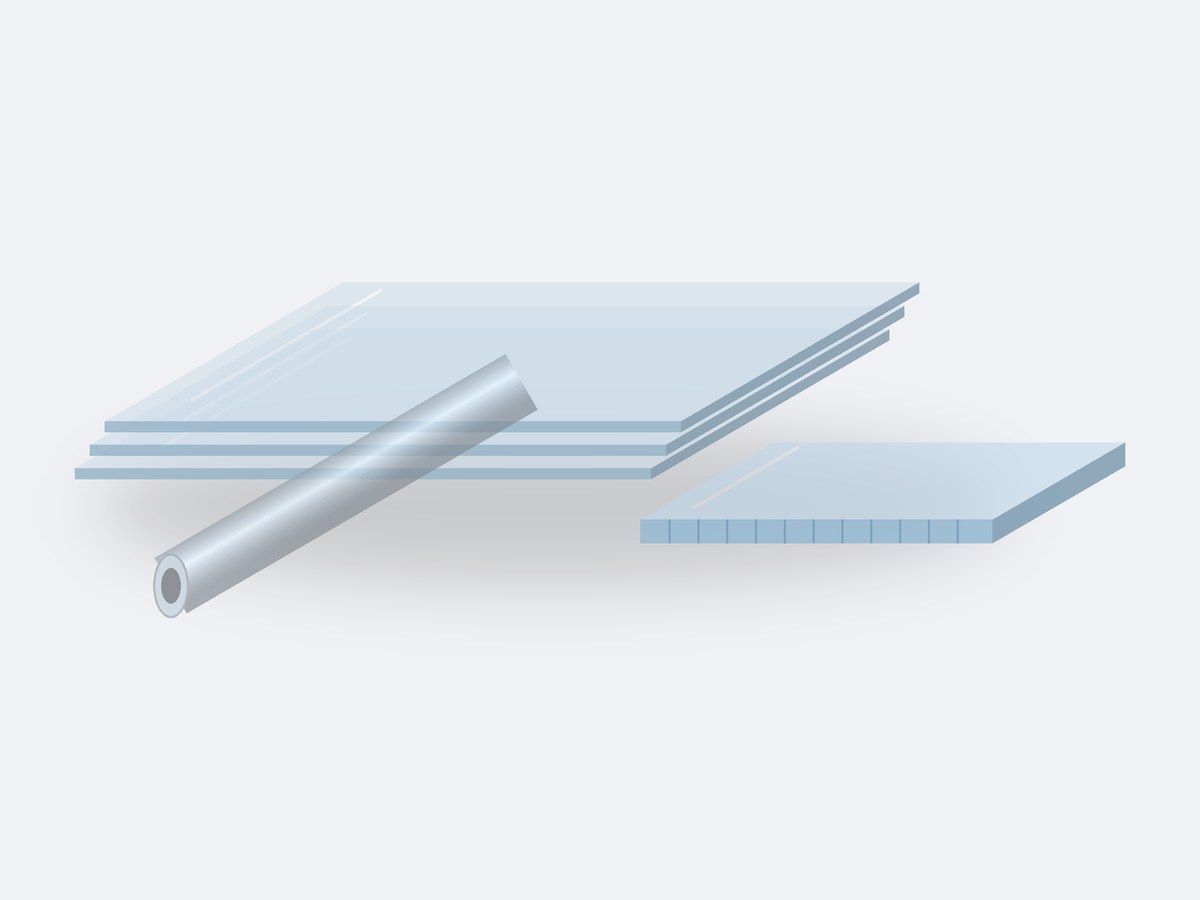
Short answer: Polycarbonate (PC) is a tough,
transparent engineering plastic with very high impact strength. It is
used for machine guards, safety windows, covers, light diffusers and
protective barriers. It scratches more easily than glass or acrylic
unless coated, and some chemicals can attack it.
Polycarbonate is the plastic to choose when something must be clear
and also survive impact.
Free engineering tools
| Application | Why polycarbonate |
|---|---|
| Machine guards | Impact strength and visibility |
| Safety windows and shields | Hard to break |
| Covers and enclosures | Light and clear |
| Lighting covers | Clear and shaped easily |
| Protective barriers | Strong yet lightweight |
Acrylic is clearer and more scratch resistant, and cheaper, but it is
brittle and can crack under impact. Polycarbonate is far tougher but
scratches more easily. For guards and anything people might hit or drop
things on, choose polycarbonate. For display and glazing where impact is
unlikely, acrylic may be enough. See acrylic guide.
Form (sheet or rod), thickness, size, clear or tinted, UV-protected
or coated, application and quantity. Diode Trading EST supplies
polycarbonate sheets and rods in Saudi Arabia, and every order ships
with a Material Test Certificate. request a quote
Polycarbonate can be cold-bent to a gentle curve in thin sheets, or
heat-formed for tighter shapes. Dry the sheet first if the supplier
recommends it, because trapped moisture can cause bubbles when heated.
Always test a scrap piece to set the temperature and time before forming
the finished part.
For guards, thickness depends on the span and how hard the guard
might be hit. Thin sheet flexes and can pop out of its frame, while
thick sheet is heavier and costs more. Share the size of the opening,
the way the sheet will be fixed and the kind of impact expected. For
outdoor or hot locations, use UV-protected sheet and leave space for
expansion.
Is the sheet UV-protected on one side or both? Is it coated for
scratch or chemical resistance? What is the thickness tolerance? Is the
sheet suitable for thermoforming? What is the available size, to avoid
joins in a large guard?
Clean polycarbonate with mild soap and water and a soft cloth. Do not
use ammonia glass cleaners, strong solvents or abrasive pads, because
they can cloud, scratch or cause cracks over time.
How strong is polycarbonate? Much more impact
resistant than glass or acrylic.
Does polycarbonate scratch? Yes more than glass.
Coated sheets improve this.
Can polycarbonate be used outside? Choose
UV-protected sheet.
Is polycarbonate better than acrylic? It is tougher.
Acrylic is clearer and more scratch resistant.
Related: Acrylic Sheets · ABS Sheets ·
Engineering Plastics Guide
See our range of high-visibility safety mats and markers designed to reduce trip hazards across your site.
Diode Trading EST supplies these Engineering Plastics from stock in Dammam, with delivery across Saudi Arabia and the GCC.