

 30 October, 2026 |
 Admin
Synthetic Turf in Saudi Arabia
Short answer: Synthetic t
Read more
Enquire Now
 30 October, 2026 | Admin

Short answer: PVC interlocking tiles are rigid or
semi-rigid floor tiles that click together without adhesive. They are
used in garages, workshops, warehouses, showrooms and temporary areas
because they are quick to install, resist oil and chemicals, and can be
lifted and reused or replaced tile by tile.
Each tile has edges shaped like tabs and sockets (a loop-lock or
similar system). Tiles snap together to form a continuous floating floor
held by its own interlock. They are usually laid over a flat, clean
subfloor and can be taken up and relocated.
Free engineering tools
| Application | Why PVC tiles |
|---|---|
| Garages and showrooms | Appearance and easy cleaning |
| Workshops | Oil and chemical resistance |
| Warehouses (light traffic) | Quick installation |
| Temporary and rental spaces | Removable without damage |
| Wash bays | Drainage pattern options |
What is the tile size and thickness? What load rating applies? Are
edge ramps and corner pieces available? What colours are stocked? Is the
tile suitable for the vehicles I use?
Diode Trading EST supplies flooring products across Saudi Arabia, and
every order ships with a Material Test Certificate. request a quote
Send a short brief with your sizes, quantity, and delivery location
in Saudi Arabia, and we will reply with availability, lead time and a
quotation. If you are unsure of the right grade, describe the working
conditions and we will help you choose.
Measure the floor and divide by the tile size to estimate tile
numbers, then add a small allowance for cuts. Plan where edge ramps are
needed, such as at doorways and where vehicles enter the floor. Mark
parking, walkways and work zones with coloured tiles to improve safety
and tidiness.
Sweep and mop with a mild detergent. Remove oil spills quickly. Do
not drag heavy loads across the surface, and use pallet jacks with
suitable wheels.
Interlocking tiles are designed for the loads stated by the maker.
Operating outside those loads, for example heavy point loads from
machine feet, shortens life, so spread loads with plates or choose a
stronger floor system.
Do PVC interlocking tiles need glue? No. They click
together.
Can forklifts drive on them? Only on tiles rated for
that load. Ask before ordering.
Are they oil resistant? PVC resists many oils and
chemicals.
Can tiles be removed later? Yes, they can be lifted
and reused.
Related: Rubber Mats and Tiles · Gym Flooring Guide · Event Flooring Guide
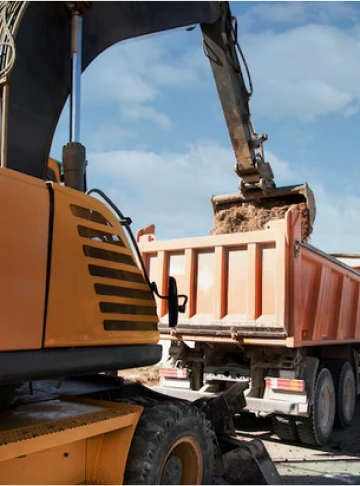
See our range of high-visibility safety mats and markers designed to reduce trip hazards across your site.

Diode Trading EST supplies these Industrial Mats & Flooring from stock in Dammam, with delivery across Saudi Arabia and the GCC.