 10 October, 2026 |
  Admin
Admin
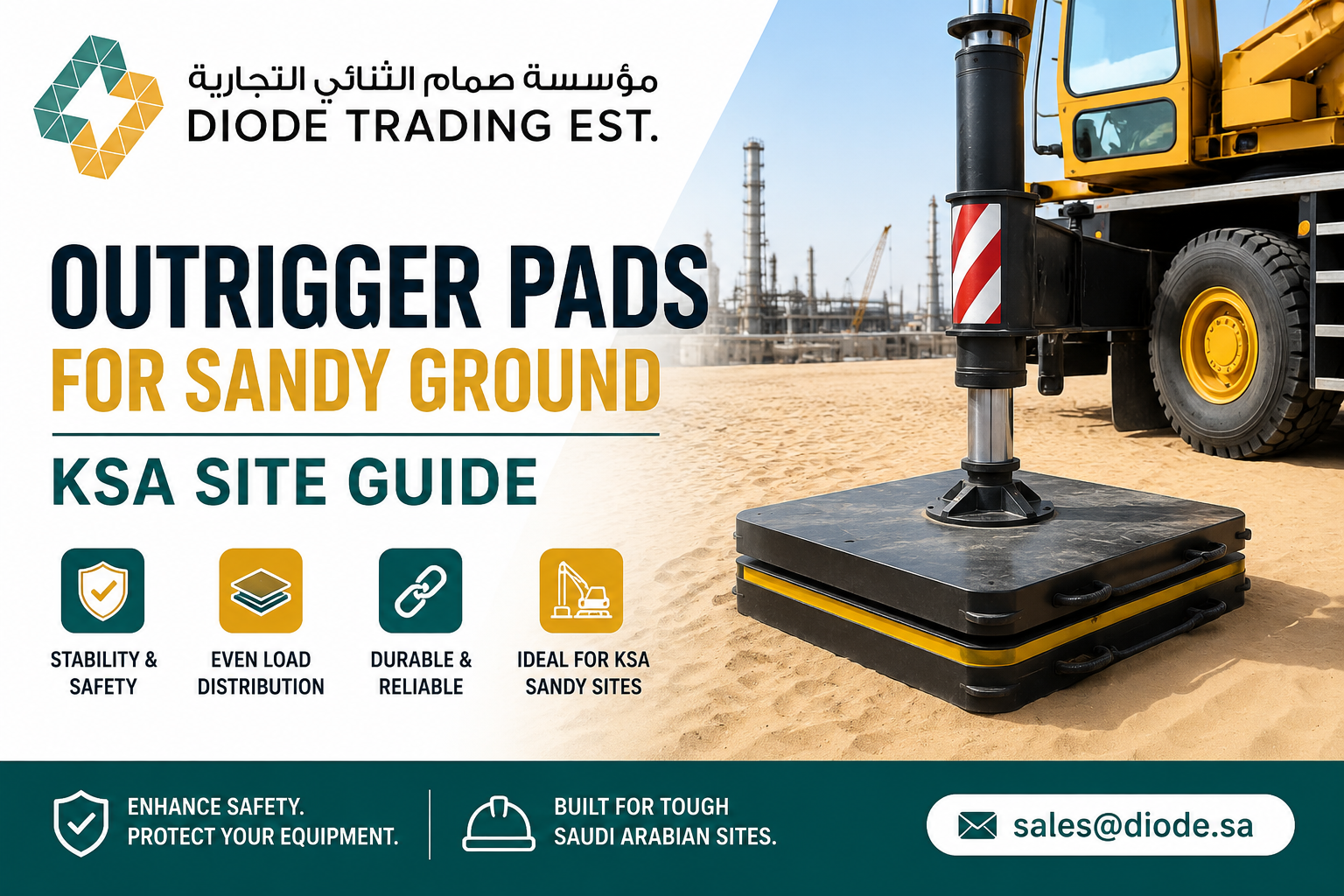
Crane Hire and Outrigger Pads
Planning a crane lift in Qatar means solvi
Read more
Enquire Now
 09 October, 2026 | Admin
Short answer: UHMWPE wear strips and chain guides support and guide conveyor chains and belts with very low friction and excellent wear resistance. Choose the profile to fit the chain, the grade to suit the product and temperature, and fix the strips so they can expand and contract. Done right, UHMWPE wear strips and chain guides cut chain wear, noise and power use compared with steel.
| Profile | Typical use |
|---|---|
| Flat wear strip | Supporting belts and chains on flat beds |
| Angle / L profile | Side guides and edge support |
| U and T profiles | Guiding roller chains and slat chains |
| Return-way guides | Supporting the return side of the chain |
| Custom machined profiles | Curves, transitions and special chains |
UHMWPE expands and contracts far more than steel with temperature. In Gulf plants, a long strip fixed tightly at both ends can buckle on a hot day or pull fixings loose. Good practice:
Nylon and POM are stiffer but wear faster against abrasive dirt; PTFE has lower friction but is soft and expensive. For a full comparison, see POM vs nylon vs UHMWPE vs PTFE and UHMWPE vs HDPE. For bulk handling surfaces, see UHMWPE chute and hopper liners.
Diode Trading EST supplies UHMWPE chain guides and UHMWPE sheets and rods cut to size and machined to profile. For the full selection process, see our guide on how to choose engineering plastic. Every order from Diode Trading EST is supplied with a Material Test Certificate.
Send us the details below with your enquiry. They let us confirm the grade, the profile and the fixing method before cutting, and they avoid the most common reasons for early failure.
With this information we can recommend virgin, reprocessed or additive-modified UHMWPE and supply strips drilled and slotted ready to install.
It combines low friction, high wear resistance and quiet running, and needs no lubrication.
Fix firmly at one end and use slotted holes and expansion gaps elsewhere, because UHMWPE expands much more than steel.
Yes, using food-compliant grades.
Before wear reaches the fixings. Check grooving depth during routine maintenance.
See our range of high-visibility safety mats and markers designed to reduce trip hazards across your site.
 10 October, 2026 | Admin
Planning a crane lift in Qatar means solvi
Read more