Short answer: the ground-support part of a lift plan answers one question: can the ground under each outrigger carry the load with a safety margin? This lift plan ground support checklist walks through the information to collect, the checks to make and the documents to keep on file. It is a general planning aid, not a substitute for your company’s procedures, the crane manufacturer’s instructions or an engineer’s review for critical lifts.
1. Crane and Load Information
- Crane make, model and configuration (counterweight, outrigger extension).
- Load weight plus rigging weight.
- Planned radius, boom length and slew range.
- Maximum outrigger reaction for the worst case in the slew range, from the manufacturer’s data or software. See crane outrigger load calculation.
- Outrigger float size.
2. Ground Information
- Ground type at each outrigger position: rock, compacted aggregate, compacted fill, sand, sabkha or reclaimed ground.
- Allowable bearing pressure, from a geotechnical report, plate load test or engineer. If unknown, use a conservative reference value and the weaker category.
- Recent rain, flooding, dewatering or leaks.
- Whether the ground is new fill or recently backfilled.
- Special conditions: sabkha, soft clay or loose sand. See sabkha crane outrigger pads.
3. Hazards Near the Outriggers
- Excavations, trenches and slopes, and their distance from each outrigger.
- Buried services: pipes, cables, drains, manholes and voids.
- Basements, tanks and retaining walls.
- Kerbs, asphalt edges and slab edges.
- Overhead power lines in the slew area.
4. Pad and Mat Sizing
- Leg load in kN = tonnes × 9.81.
- Safety factor: typically 1.5, up to 2.0 on uncertain ground.
- Minimum pad area = leg load (kN) × safety factor ÷ allowable pressure (kPa). See ground bearing pressure for cranes.
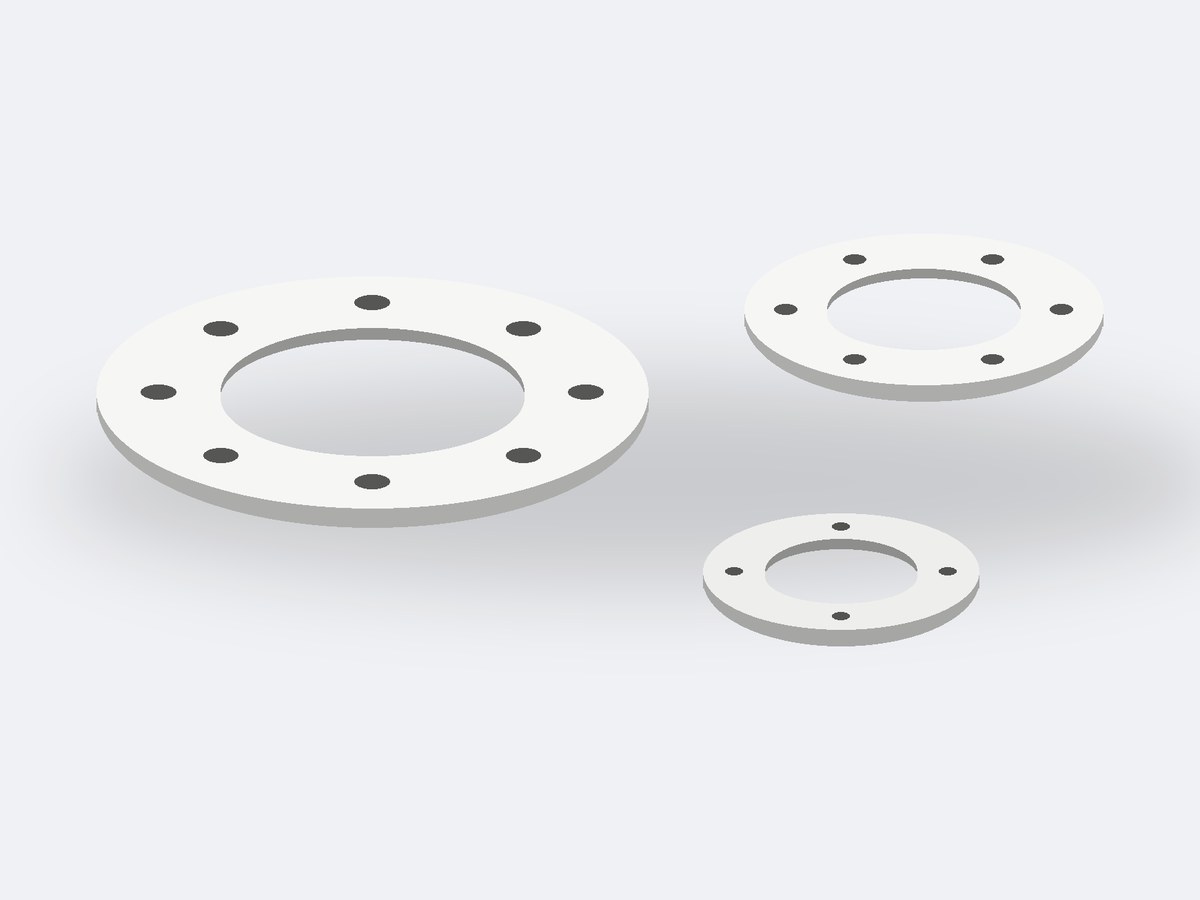
- Chosen pad size, thickness and rated capacity; rated capacity must be at least the leg load. See outrigger pad thickness.
- Resulting ground pressure under the pad.
- If the area exceeds the largest pad, the mat or platform design used instead.
Our free Outrigger Pad Size Calculator checks pad area and rating against the SafeRig size range.
5. Pad Condition and Documentation
6. Set-Up and Monitoring
- Ground under each pad levelled and cleared of loose material.
- Float centred on the pad.
- Crane levelled and outriggers fully extended as per the load chart configuration.
- Pads and ground checked for settlement before and during the lift.
- Stop criteria agreed: settlement, cracking or tilting means stop.
7. Sign-Off
- Lift plan prepared and reviewed by the competent people your procedures require.
- Critical, heavy or unusual lifts reviewed by an engineer, with geotechnical input.
- Records kept with the lift plan: outrigger reactions, ground data, pad sizes and certificates.
Common Gaps We See
- Using total crane weight instead of the outrigger reaction.
- Assuming the ground is firm without data.
- Checking pad rating but not ground pressure, or the reverse.
- No pad documentation on file.
Diode Trading EST supplies SafeRig outrigger pads with rated capacities for every size and a Material Test Certificate with every order. Read safe use of outrigger pads and our full guide on how to choose outrigger pads.
Frequently Asked Questions
What ground information does a lift plan need?
The ground type and allowable bearing pressure at each outrigger, plus nearby hazards such as excavations, buried services and recent fill.
How do I check outrigger pad size in a lift plan?
Divide the factored leg load (kN) by the allowable ground pressure (kPa) to get the minimum area, then check the pad’s rated capacity covers the leg load.
Should pad certificates be kept with the lift plan?
Yes. Keeping the pads’ rated capacity and Material Test Certificate on file makes the ground-support part of the plan traceable.
Is this checklist enough for a critical lift?
No. Critical, heavy or unusual lifts need your company’s procedures, the crane manufacturer’s data and engineering review with geotechnical input.
 10 October, 2026 |
  Admin
Admin