 16 September, 2026 |
  Admin
Admin
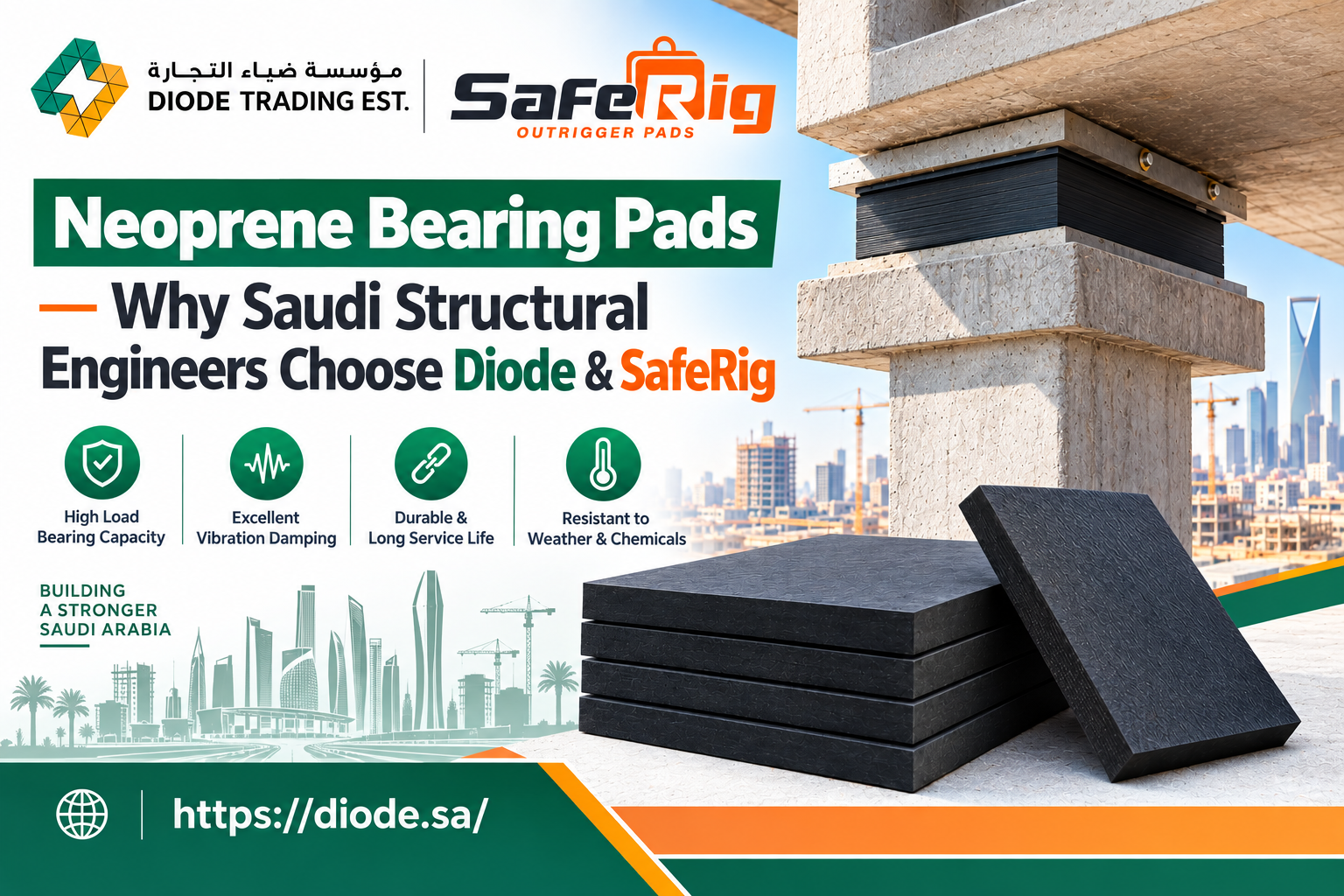
Neoprene Bearing Pads — Why
Bearing pads don't get much attention until a
Read more
 13 August, 2026 | Admin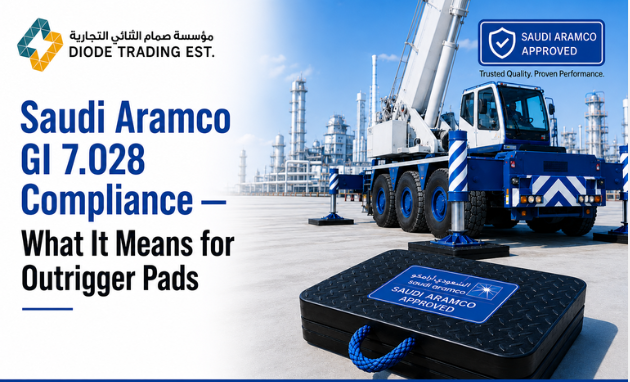
GI 7.028 outrigger pads must meet a documentation standard, not a pre-approved brand list: Saudi Aramco’s General Instruction GI 7.028 sets the safety requirements for lifting equipment on Aramco-operated and Aramco-contracted job sites, including requirements around ground bearing protection for mobile crane outriggers. It does not certify individual products — it obliges contractors to select outrigger pads with adequate load rating, material traceability, and documentation, verified by the site’s lifting authority before each job.
GI 7.028 doesn’t publish an approved product list — it sets a performance and documentation standard that the site’s lifting authority checks against, job by job. That means the responsibility for having the right paperwork sits with the contractor bringing the pad onto site, not with a certification stamp on the product itself. OSHA’s ground conditions requirement for cranes and derricks (29 CFR 1926.1402) follows the same logic in a different jurisdiction: the ground and its supporting material have to be documented, not just assumed adequate.
Ask any prospective outrigger pad supplier for the MTC for the specific batch, the pad’s rated load capacity, and confirmation of material and thickness. Diode Trading EST provides all three as standard with every order.
Contractors ordering GI 7.028 outrigger pads for an upcoming lift should request the MTC and load rating documentation at order time, not the day the lift plan is due — that way the paperwork is already in hand when the site’s lifting authority asks for it during the pre-lift review.
At minimum: a Material Test Certificate (MTC), the pad's rated load capacity, and material/thickness
specifications.
Diode Trading EST supplies UHMWPE outrigger pads with full documentation for contractors working on GI 7.028-governed Aramco sites. Contact us with your site’s documentation requirements.
Because GI 7.028 places the compliance responsibility on the contractor rather than the product itself, it is worth asking any outrigger pad supplier directly whether they can provide the load rating, material specification, and dimensions documentation your site safety team will need to sign off the lift. A supplier who cannot readily produce this paperwork on request is usually a sign to keep looking, since it is the documentation, not the pad alone, that satisfies the requirement.
It also helps to ask whether the supplier has previously supplied pads used successfully on Aramco sites, since a supplier familiar with the specific format your site safety team expects for GI 7.028 paperwork can usually turn documentation around faster than one seeing the requirement for the first time. Building this into your standard pre-qualification checklist for lifting equipment suppliers avoids delays once a lift is already scheduled.
Longer Aramco projects that span several lifting phases benefit from setting up the GI 7.028 documentation process once, at the start of the project, rather than repeating the same paperwork request for every individual lift. Agreeing on a standard documentation package with your supplier early on saves time across a multi-month project and reduces the chance of a delay caused by missing paperwork partway through.
Larger contractors sometimes find it useful to keep a running file of GI 7.028 documentation across every Aramco project they work on, since site auditors occasionally ask for historical records from previous phases of the same contract, not only the current lift.
Keep a copy of your GI 7.028 outrigger pads documentation on file for every Aramco job, since these GI 7.028 outrigger pads records are what auditors will ask to see first.
See our range of high-visibility safety mats and markers designed to reduce trip hazards across your site.
 16 September, 2026 | Admin
Bearing pads don't get much attention until a
Read more
 15 September, 2026 | Admin
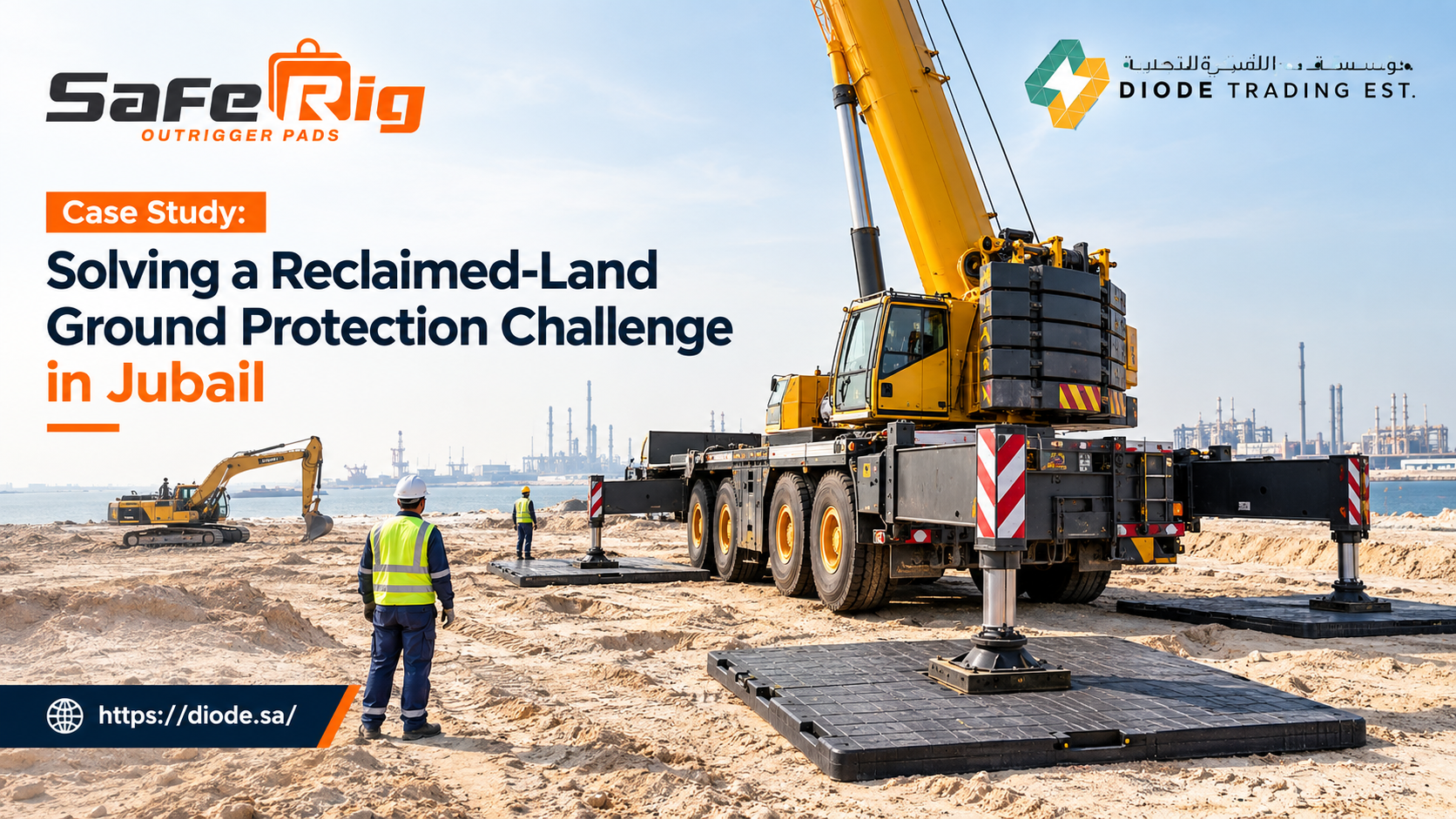
A mid-sized mechanical contractor working on
Read more