
 12 September, 2026 |
  Admin
Admin
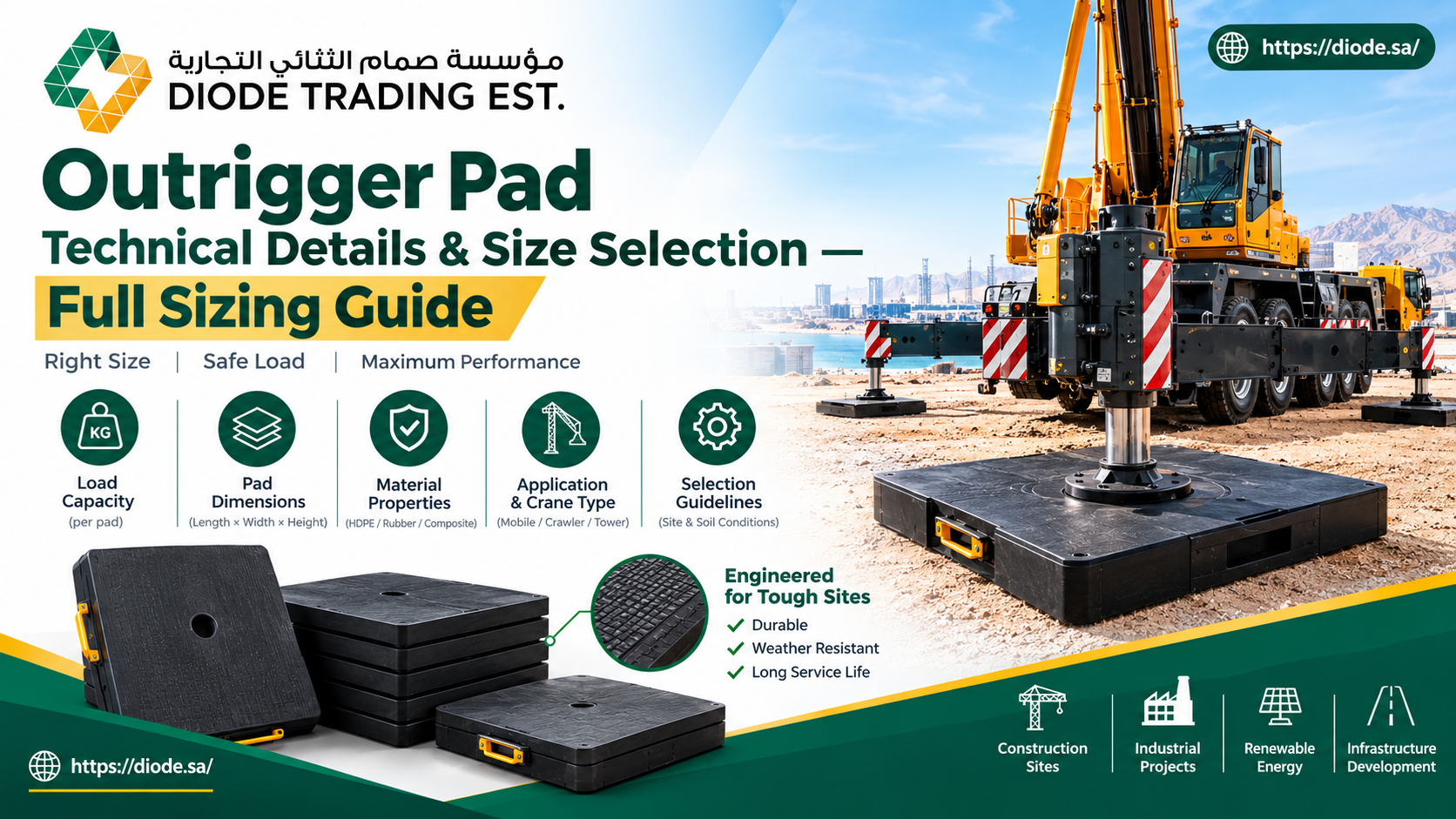
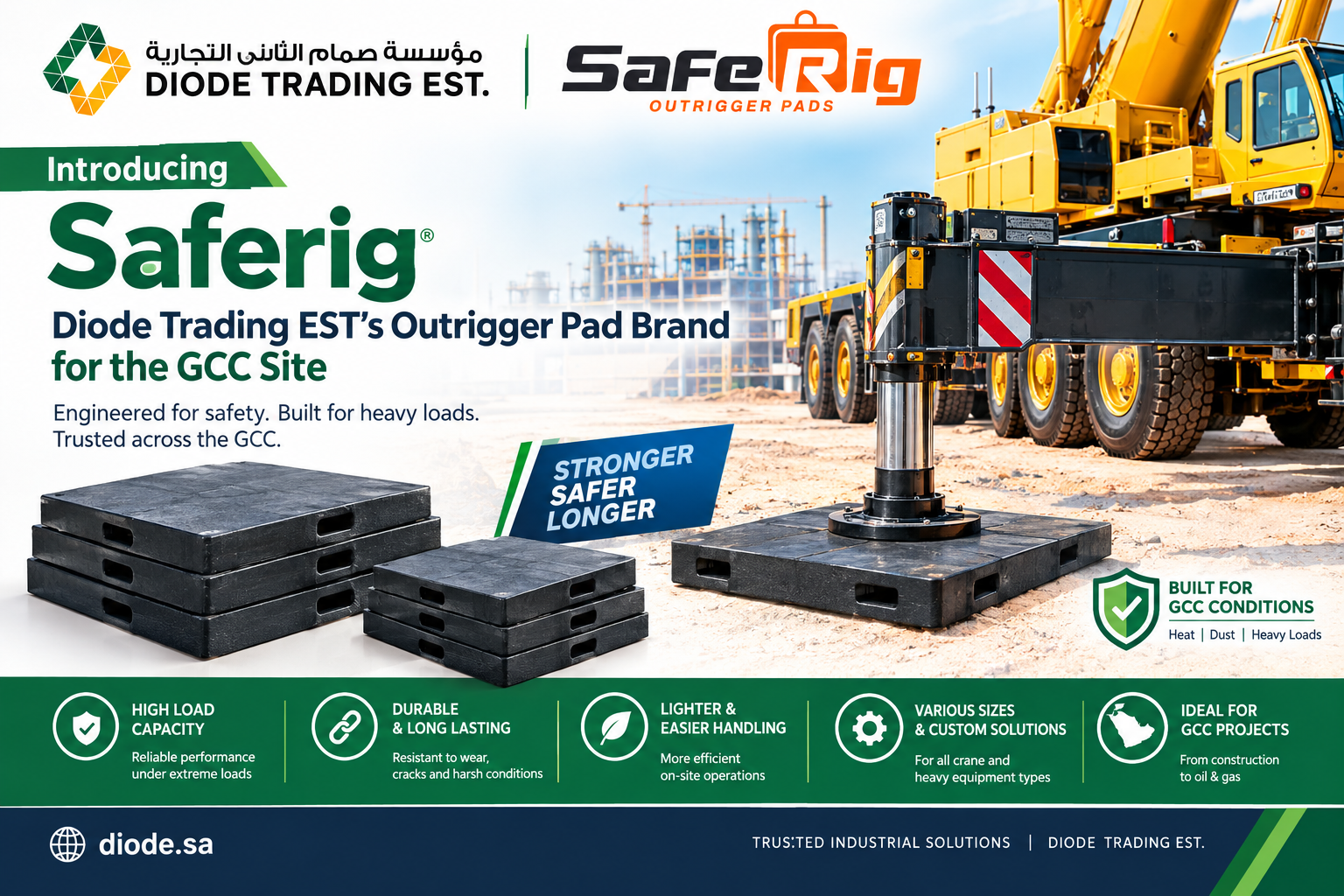
Introducing Saferig — Diode
Saferig is Diode Trading EST's outrigger pad
Read more
 14 October, 2025 | Admin
Avoiding common dock installation mistakes is a shrewd investment that significantly enhances waterfront access, recreation, and property value. Installation practices will have a direct bearing on a structure’s safety and lifespan. Whether you’re building a floating, fixed, or modular dock, quality attention to detail in the installation process is paramount. Skimp on the little things and you’re going to be creating devastating structural issues and safety hazards. A structure that is installed professionally not only works as expected but also lasts longer, providing a great sense of security. To work effectively without being damaged, a marine fenders in Saudi Arabia installation would be an excellent idea.
The majority of the installation mistakes are made because of lack of knowledge of the requirements of marine construction or economic stress. Using incorrect materials or neglecting fluctuating water levels can really undermine the stability, longevity, and safety of your dock in the long term. Knowing these pitfalls beforehand will ensure your dock to be secure, durable, and safe for a long, long time.
This guide candidly discloses the most frequent errors in the installation of your dock, which compromise your dock’s security. It is meant to empower dock installers and owners with information on how to shun key mistakes that may destroy your dock or create hazardous situations.
Without proper anchoring procedures or inappropriate anchor type appropriate for water conditions such as tides and currents will result in serious issues like dock drifting, shifting, or storm or heavy traffic collapse. Proper anchoring systems such as auger anchors, deadweights, or pilings must be employed based on the area and water current. These best practice procedures will achieve a stable and safe structure.
The use of indoor-grade bolts, screws, or brackets that are not adequate for outdoor or sea environments is a recipe for failure. Corrosion significantly reduces the structural strength of materials and causes premature failure.
Always employ freshwater or separated galvanized or stainless-steel hardware for utmost durability and safety. If you wish to install a rubber fender, do it correctly. You can make the structure safe by the guidance of a rubber fender manufacturer in Saudi Arabia.
Heavy weighting a single point or not stiffening where heavy traffic or equipment will be positioned could result in sag, structural collapse, or tipping. Proper placement of the sidewalks is essential for providing equal weight distribution and reinforcement points where heavy traffic or equipment is placed.
Eliminating the necessary security features such as barriers, mudguards, ladders or lamps for the benefit of costs or appearance, significantly increases boating accidents, falls and injuries. Guess what? These security features must be involved in the original plan.
Even a carefully planned build can hide one of the more common dock installation mistakes: putting the structure into service without a final inspection by someone who did not do the installation. A second set of eyes can catch loose hardware, uneven flotation, or anchoring that looks fine on paper but behaves differently once tested by real currents and boat traffic. Scheduling this kind of independent check before the first heavy use catches many dock installation mistakes while they are still easy and inexpensive to correct, rather than after a storm or a busy season has already exposed the weak point.
Ensuring your dock is properly installed and safely is a matter of performance and safety for its users. Ignoring factors like anchoring, choice of material, and alignment can lead to wear and tear, damage, or accidents. Being aware of possible installation errors, even whether installing yourself or not, can be time- and cost-saving. A properly installed dock brings stability and security for recreation and relaxation for many years to come.
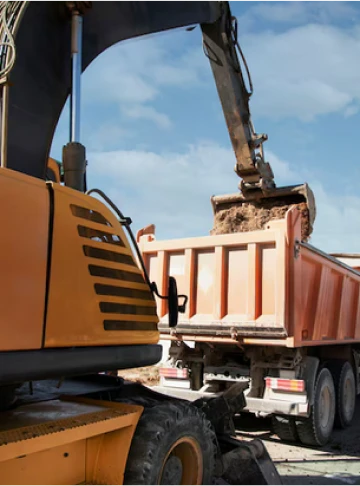
See our range of high-visibility safety mats and markers designed to reduce trip hazards across your site.
 12 September, 2026 | Admin
Saferig is Diode Trading EST's outrigger pad
Read more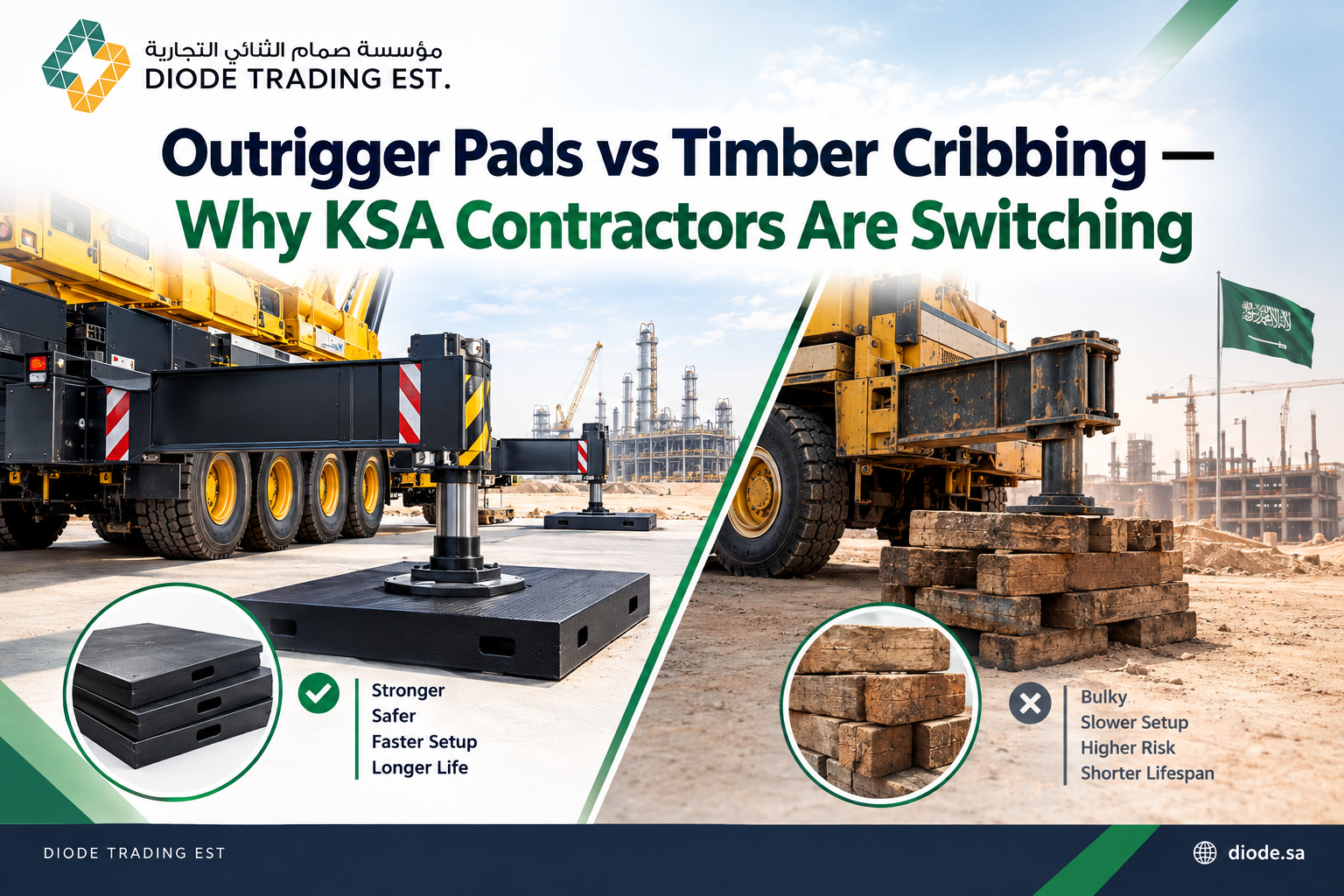 12 September, 2026 | Admin
Timber cribbing was the default for decades.
Read more