
 30 October, 2026 |
 Admin
Synthetic Turf in Saudi Arabia
Short answer: Synthetic t
Read more
Enquire Now
 30 October, 2026 | Admin
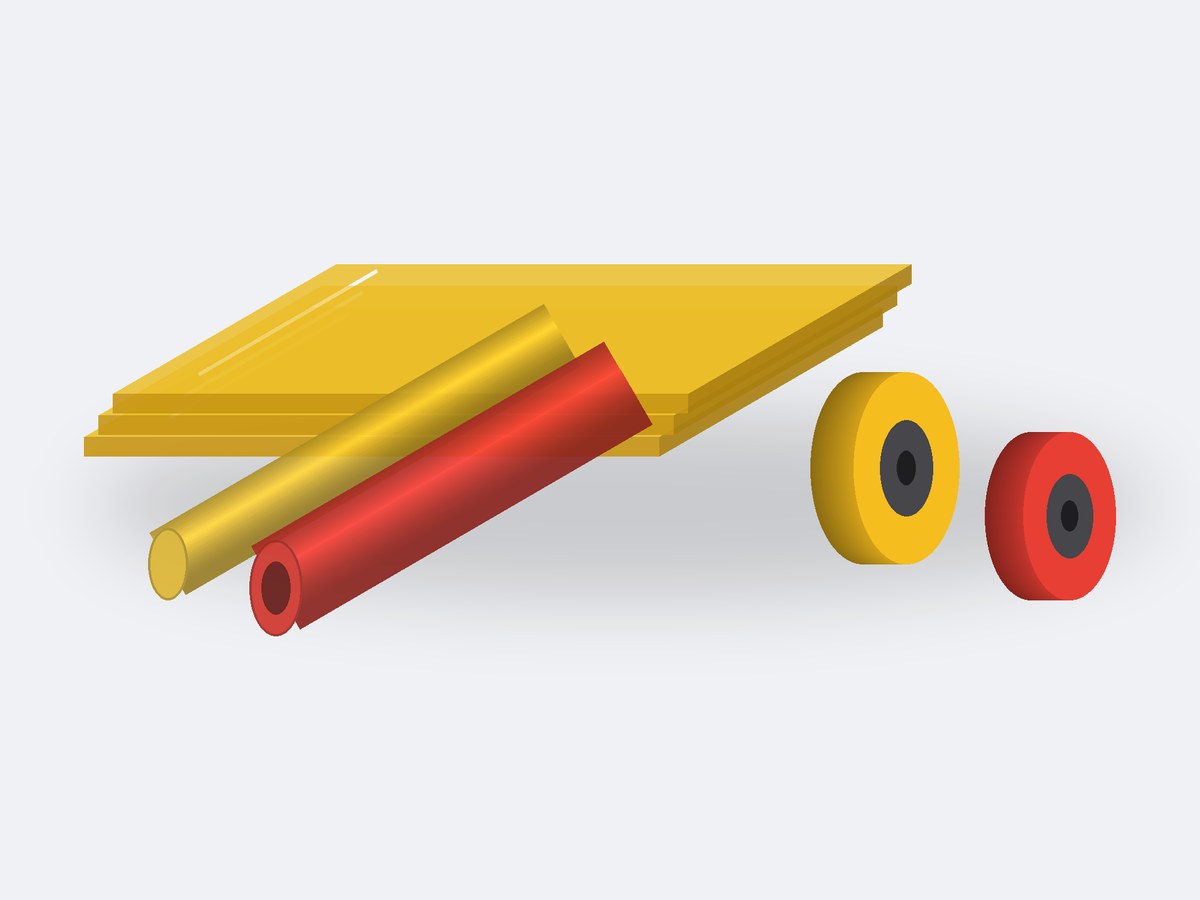
Short answer: Polyurethane is a tough, elastic
material that combines the flexibility of rubber with the strength of
plastic. It resists abrasion, cutting and tearing and carries heavy
loads. It is used for wheels, rollers, sheets, liners and wear parts.
HPU (hydrolysis-resistant polyurethane) is a grade made to survive hot,
wet conditions where ordinary polyurethane would break down.
PU hardness is usually given on the Shore A or Shore D scale. A lower
Shore A is softer and more rubbery, and gives better grip and
cushioning. A higher hardness is stiffer, carries more load and rolls
easily. Choose based on the load, the speed and whether you need grip or
low rolling resistance. A typical question is whether to use a harder or
softer wheel: harder for smooth floors and heavy loads, softer for grip
and noise reduction.
Free engineering tools
PU is made in different chemistries. Polyester types are generally
strong and oil resistant, but they can break down in hot, wet conditions
(hydrolysis). Polyether types resist water better. HPU grades are made
specifically for hot water, humidity, steam and tropical conditions. If
your part sits in water, or in a hot humid environment, ask for HPU or a
hydrolysis-resistant grade.
| Application | Why PU |
|---|---|
| Wheels and castors | Load capacity and floor protection |
| Rollers and drive wheels | Grip and wear resistance |
| Liners and screens in mining | Abrasion resistance |
| Seals, bushes and pads | Elasticity |
| Sheet for press pads and cutting | Toughness |
PU outlasts rubber in abrasion and cutting, and carries more load. It
is more elastic than nylon and quieter. Rubber remains better for some
weather, ozone and low-cost uses. For rigid wear parts, nylon or UHMWPE
may suit better.
PU can be machined with sharp tools and cooling. Keep it away from
strong solvents and hot, wet conditions unless you have chosen HPU.
Store away from direct sunlight.
Form (rod, sheet, wheel, roller), size, hardness, application, load,
temperature and whether it is wet or humid. Diode Trading EST supplies
polyurethane products in Saudi Arabia, and every order ships with a
Material Test Certificate. request a quote
For wheels, give the wheel diameter, width, bore, core type and the
load per wheel. For rods and sheets, give the diameter or thickness, the
length and the hardness. If the part is in wet, hot service, say so, so
that a hydrolysis-resistant grade can be offered.
What is the Shore hardness, and is it A or D? Is the grade polyester
or polyether, or HPU? What is the tolerance on the wheel or rod size?
Can wheels be cast on a core, and what core material is used? Can sheets
be cut or machined to a drawing?
Store polyurethane away from direct sunlight and heat. Avoid
prolonged contact with strong solvents, acids and bases unless the grade
is rated for them. For wheels that sit under load for long periods,
rotate them occasionally to avoid flat spots.
What is HPU? A hydrolysis-resistant polyurethane
made to survive hot, wet conditions.
How do I choose PU hardness? Harder for load and
rolling, softer for grip and cushion.
Is polyurethane better than rubber? For abrasion,
cutting and load capacity, usually yes.
Can polyurethane be machined? Yes, with sharp
tools.
Related: Nylon Guide · UHMWPE Guide · Rubber Sheets Guide

See our range of high-visibility safety mats and markers designed to reduce trip hazards across your site.
Diode Trading EST supplies these Engineering Plastics from stock in Dammam, with delivery across Saudi Arabia and the GCC.