 30 October, 2026 |
 Admin
Synthetic Turf in Saudi Arabia
Short answer: Synthetic t
Read more
Enquire Now
 30 October, 2026 | Admin
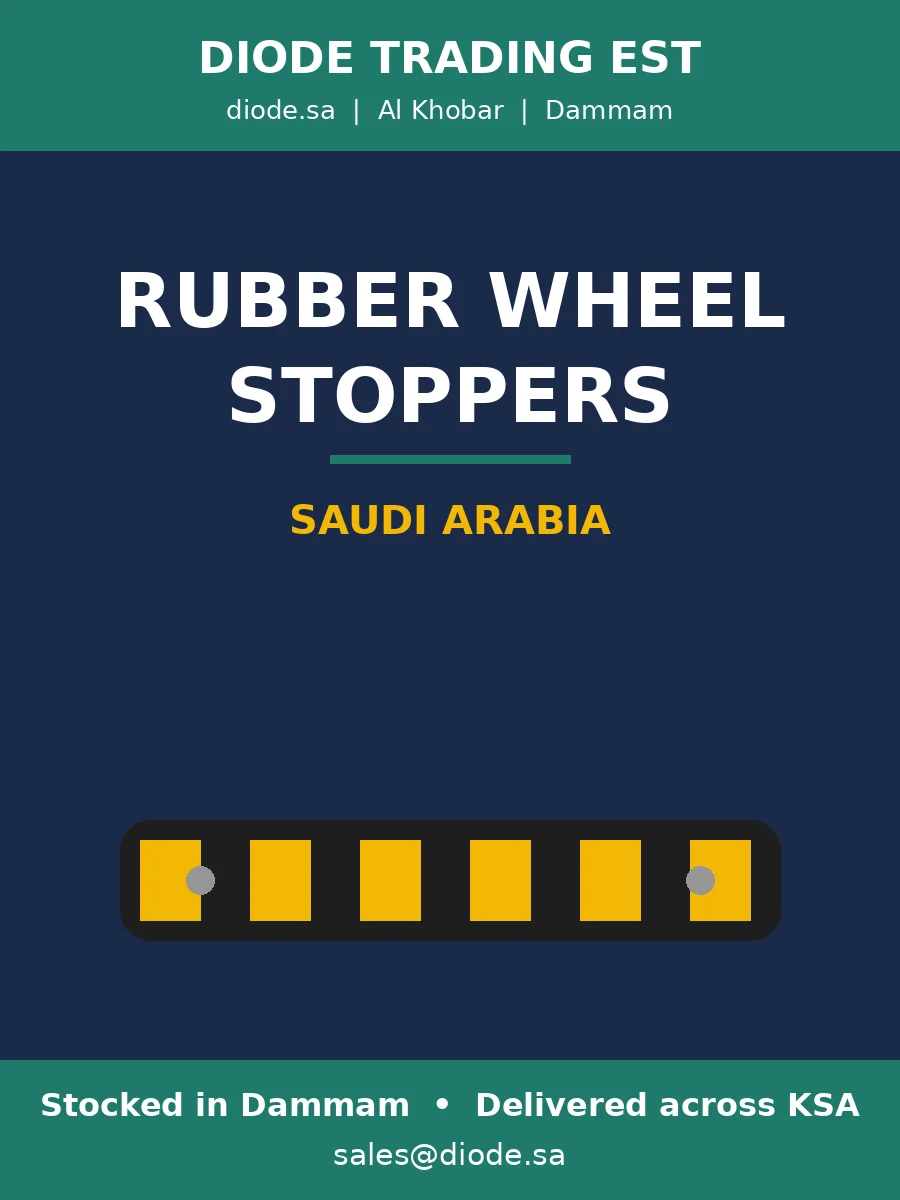
Short answer: Wheel chocks are wedge-shaped blocks
placed against vehicle tyres to stop them rolling, especially at loading
docks, workshops and on slopes. Wheel stoppers are fixed or portable
stops for parking bays that limit how far a vehicle can move forward or
back. Choose the product by vehicle weight, tyre size, surface and how
often it will be used.
A chock sits in front of or behind a tyre and uses a wedge shape to
stop the wheel from rolling. They are used at loading docks to prevent
trailers from moving during loading, in workshops during maintenance and
on slopes. They are also used for aircraft, trailers, and heavy
equipment, although those need specially designed chocks.
Material. Polyurethane chocks are tough, grip on
many surfaces, resist oil and weather and last longer than rubber or
wood. Rubber chocks are cheaper and grip well. Metal chocks can be
strong but may slide on smooth floors. Choose the material that suits
the surface and the weight.
A wheel stopper is a block fixed to the ground at the end of a
parking bay to stop a vehicle from moving too far forward. They protect
walls, bollards and pedestrians, and mark where to stop. They are made
from rubber, recycled plastic, concrete or other materials, with bolts
or adhesive to fix them to the surface. Bright colours and reflective
strips help visibility.
Always follow your site’s safety procedure for chocking vehicles,
including which wheels to chock and when. Chocks are one layer of
protection and do not replace the handbrake, engine off or dock locks
where they are required. Inspect chocks for wear and damage, and replace
cracked or worn ones.
What sizes of chocks are available, and for which tyre diameters? Are
chocks supplied with handles or ropes? Is the material oil resistant?
Are parking stops supplied with fixing kits? What colours are in
stock?
Diode Trading EST supplies wheel stoppers and chocks across Saudi
Arabia, and every order ships with a Material Test Certificate. request a quote
What is a wheel chock? A wedge placed against a tyre
to stop it rolling.
What are wheel stoppers used for? To stop vehicles
at the end of parking bays and protect walls and pedestrians.
What size chock do I need? It depends on the tyre
diameter and vehicle weight. Send us the vehicle details.
Are polyurethane chocks better? They are durable,
oil resistant and grip well.
Related: Bollards · Rubber Wall Guard ·
Polyurethane Guide

See our range of high-visibility safety mats and markers designed to reduce trip hazards across your site.
Diode Trading EST supplies these Dock, Port & Parking Safety from stock in Dammam, with delivery across Saudi Arabia and the GCC.