 14 September, 2026 |
  Admin
Admin
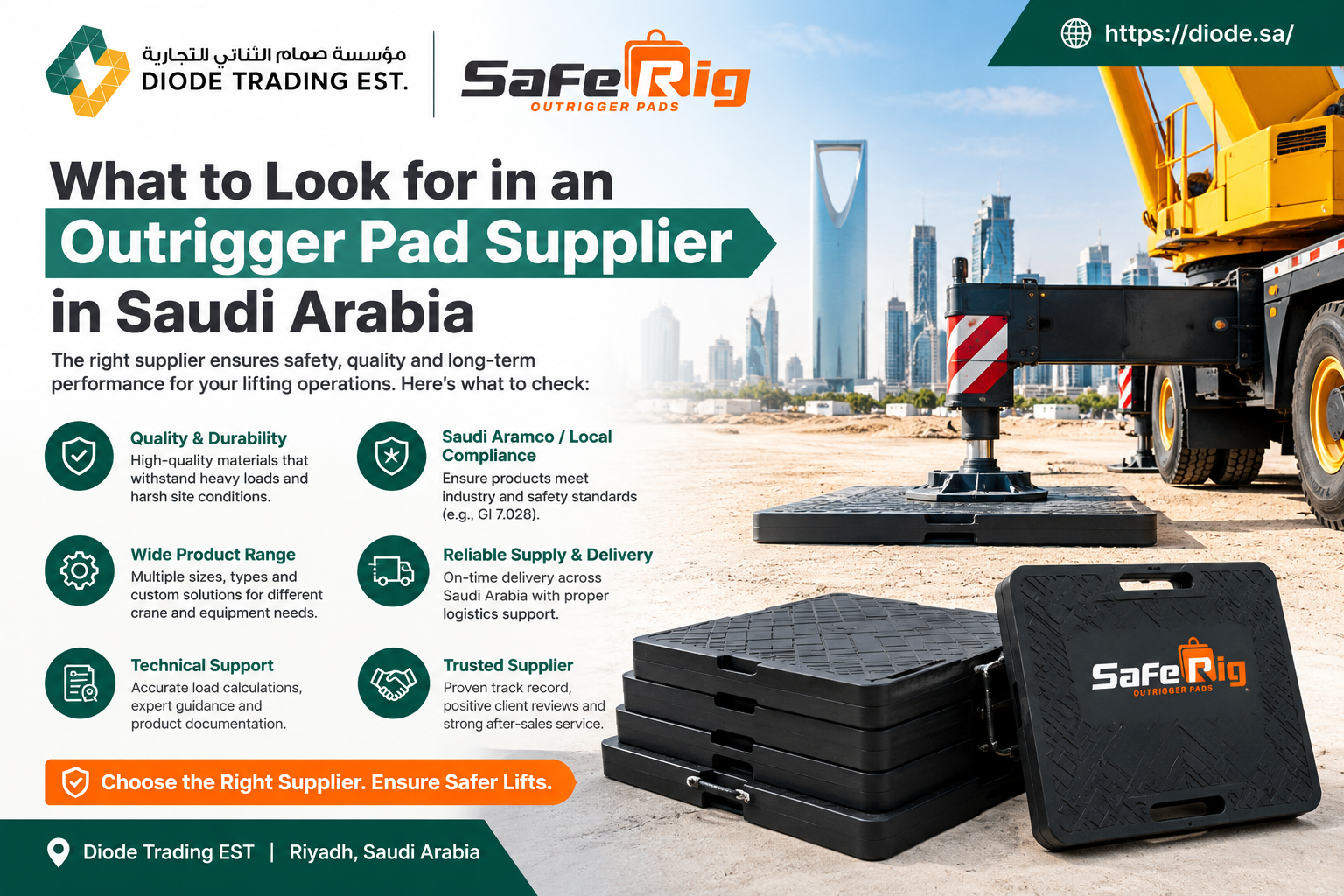
What to Look for in an Outrigg
Most Read more

 04 September, 2026 | Admin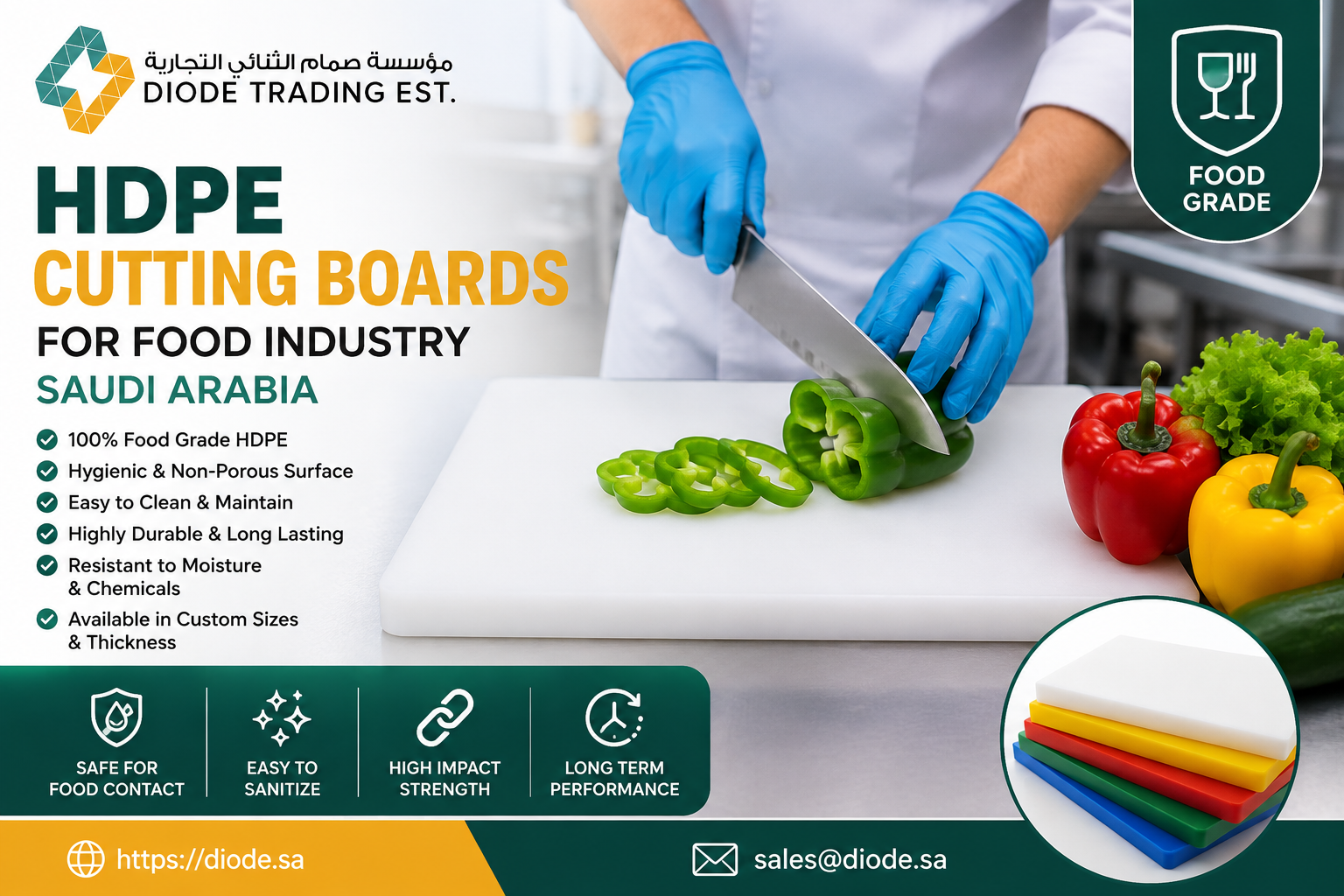
HDPE cutting boards Saudi Arabia buyers specify for commercial kitchens solve a problem wooden boards can’t: health inspectors want a non-porous surface, and HDPE delivers that without falling apart after a year of daily abuse.
Wooden boards absorb moisture and develop knife grooves that trap bacteria deep in the surface, which is difficult to fully sanitize even with regular cleaning. HDPE cutting boards Saudi Arabia kitchens rely on resist moisture absorption, clean up with standard kitchen sanitizers, and hold up to years of daily knife contact without the surface breaking down the way wood or softer plastics do.
Many commercial kitchens now follow a color-coded system, using separate board colors for raw meat, poultry, seafood, vegetables, and cooked or ready-to-eat food, to reduce the risk of cross-contamination between food types. HDPE boards are commonly available in a range of colors specifically to support this kind of HACCP-aligned kitchen workflow.
Commercial kitchens and food processing facilities in the Kingdom are expected to meet food contact material requirements set out by the Saudi Food and Drug Authority, and confirming that a supplier’s HDPE boards are manufactured from certified food-grade material is a reasonable step before placing a bulk order for a commercial kitchen or processing line.
Thicker boards resist warping better under heavy daily use and can be resurfaced by sanding a limited number of times before replacement, which matters for high-volume kitchens that run boards through years of continuous service. Board size should match the workstation: smaller boards suit prep stations with limited counter space, while larger boards suit central processing tables handling bulk ingredient prep.
Diode Trading EST supplies HDPE cutting boards in food-grade material for commercial kitchens, catering operations, and food processing facilities across Saudi Arabia, with options across multiple colors and thicknesses to suit different kitchen workflows and HACCP color-coding systems.
Unlike wood, HDPE cutting boards Saudi Arabia food businesses use can go through a standard commercial dishwasher or sanitizing cycle without warping or splitting, which simplifies end-of-shift cleaning protocols compared to wooden boards that need to be hand-washed and air-dried to avoid damage.
Even durable HDPE surfaces eventually develop knife grooves deep enough to harbor bacteria despite regular sanitizing, and most food safety programs recommend replacing boards once grooves reach a certain depth rather than waiting until visible damage appears. Keeping a simple rotation schedule, and swapping boards to lighter-duty stations as they wear rather than discarding them immediately, gets more useful life out of each board before final replacement.
Food processing facilities running dedicated cutting or portioning lines often need board sizes that don’t match standard commercial kitchen dimensions. Ordering HDPE cutting boards Saudi Arabia processing lines require in custom sizes and thicknesses, cut to fit specific workstation dimensions, avoids the inefficiency of trimming standard boards down or working around an awkward fit.
Catering companies and central kitchens supplying several branches or event sites often find it more efficient to place a single bulk order for HDPE cutting boards across all locations, standardizing on the same color-coding system and thickness at every site rather than sourcing boards separately per branch. This makes it easier to train staff consistently on the same food safety workflow no matter which kitchen they’re working in that week, and it usually works out cheaper per unit than repeated smaller orders.
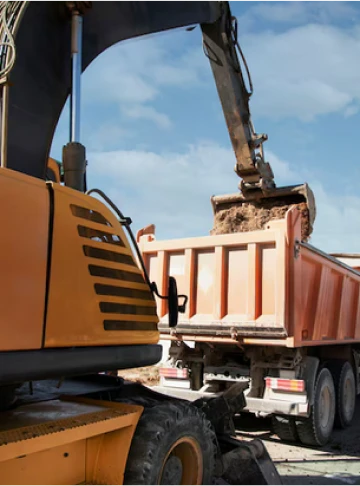
See our range of high-visibility safety mats and markers designed to reduce trip hazards across your site.
 12 September, 2026 | Admin
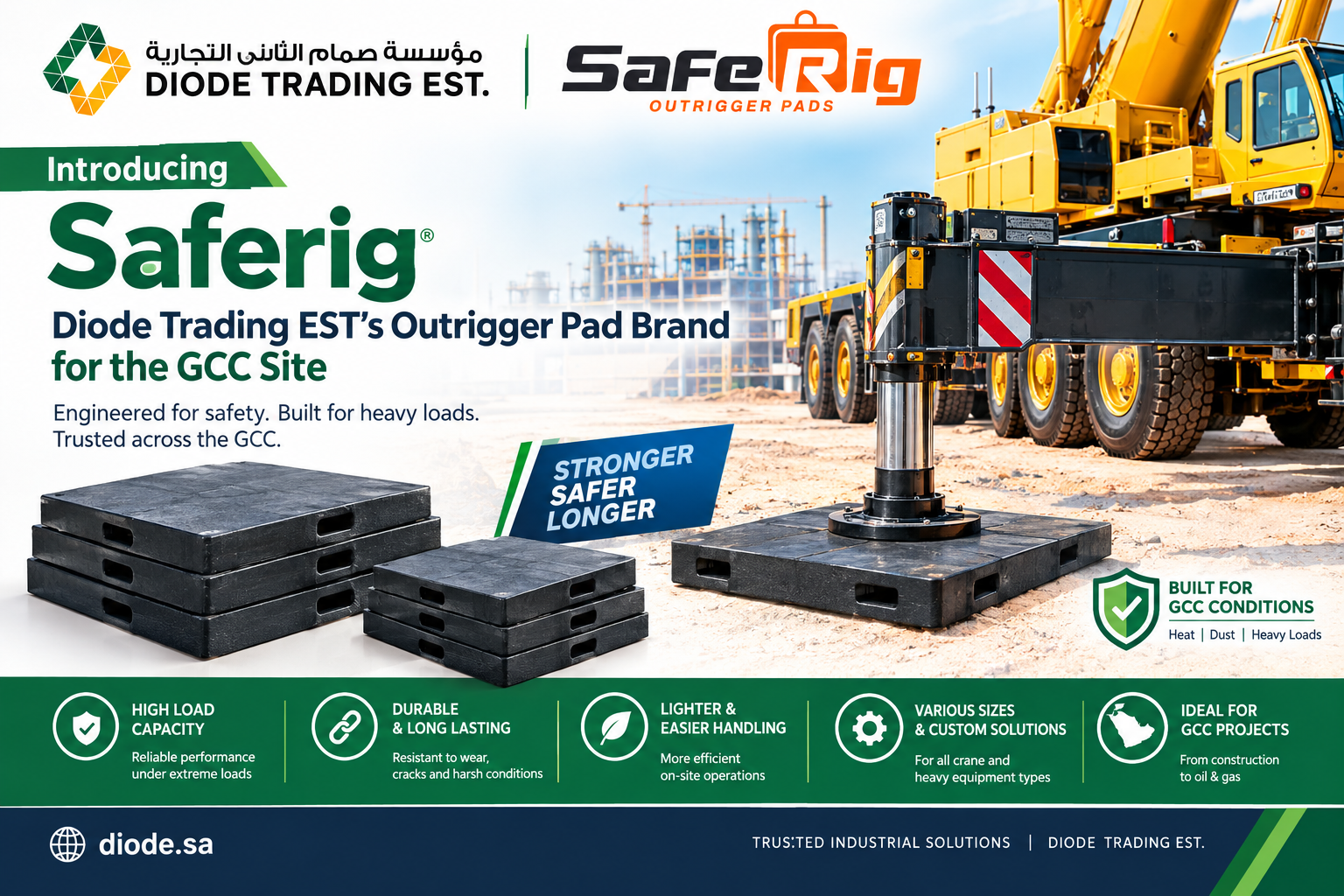
Saferig is Diode Trading EST's outrigger pad
Read more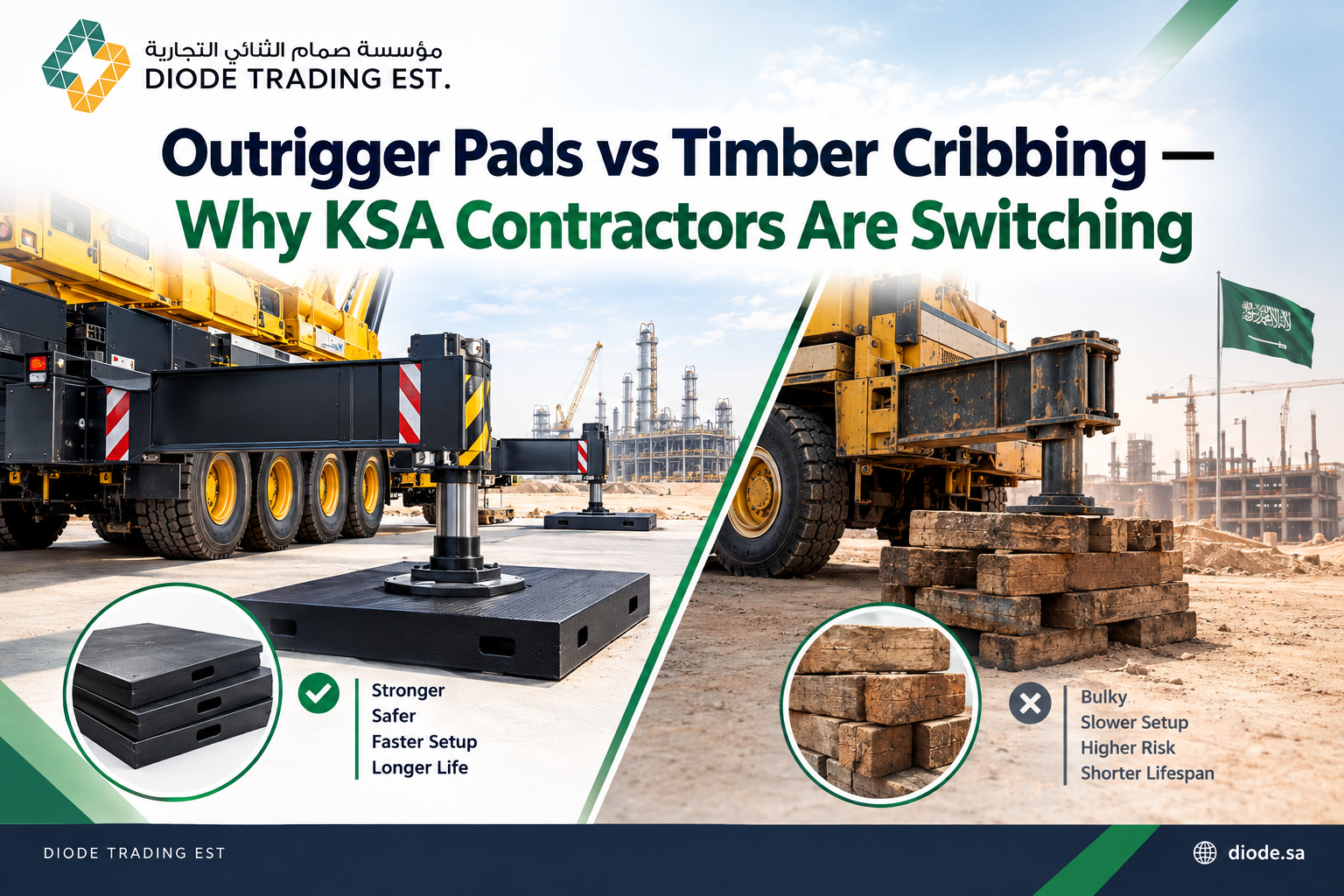 12 September, 2026 | Admin
Timber cribbing was the default for decades.
Read more