 19 September, 2026 |
  Admin
Admin
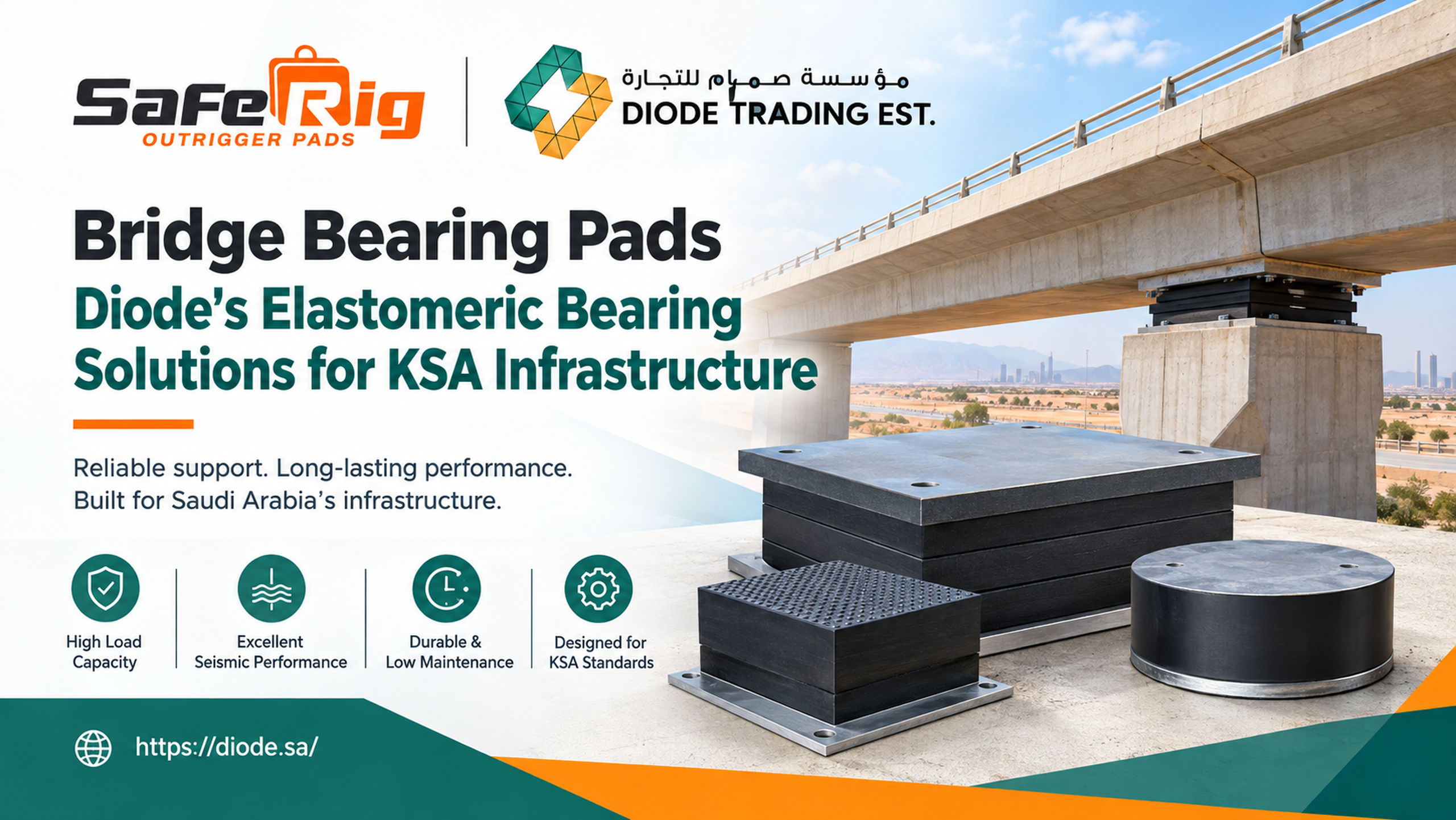
Bridge Bearing Pads — Diode&
Saudi Arabia's road and rail infrastructure b
Read more
Enquire Now
 16 August, 2026 | Admin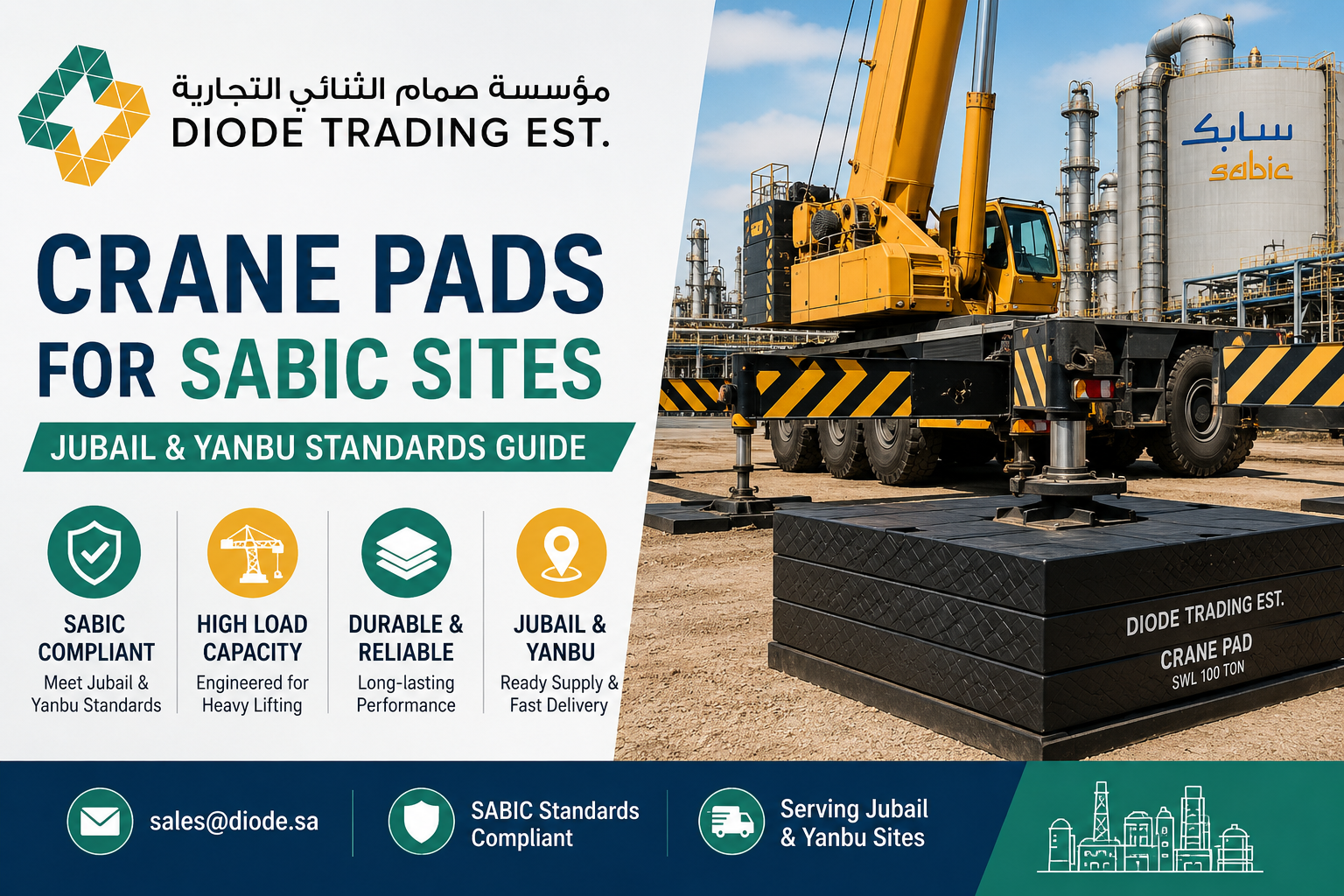
SABIC site outrigger pads must meet documentation requirements that go beyond a standard commercial product line: SABIC-operated and SABIC-contracted sites in Jubail and Yanbu apply their own lifting safety procedures, which — like GI 7.028 — require outrigger pads to have documented load ratings and material traceability rather than certifying specific commercial products in advance.
Site safety procedures at SABIC-operated and SABIC-contracted facilities are written around performance and traceability, not a pre-approved supplier list. That means the pad itself needs to carry a Material Test Certificate matched to its batch, not just a brand name on the paperwork. Contractors who show up with documentation ready avoid the back-and-forth of a lifting engineer requesting it on site. OSHA’s ground conditions requirement for cranes and derricks (29 CFR 1926.1402) reflects the same underlying principle used across these site standards: supporting materials need documented capacity, not just a name on an approved list.
Request MTCs and load rating documentation at the time you order, not the day before a lift plan is due. Diode Trading EST supplies UHMWPE outrigger pads with Material Test Certificates on request, so the paperwork is ready alongside the pad.
Diode Trading EST supplies SABIC site outrigger pads to EPC contractors and lifting subcontractors working across Jubail and Yanbu, with Material Test Certificates issued per batch so documentation is ready before the lift plan review. Keeping a documented pad on hand ahead of the lift, rather than sourcing one reactively, is what avoids delays during a safety walk-down.
Diode Trading EST supplies UHMWPE outrigger pads with full material documentation for contractors working on SABIC-operated and SABIC-contracted sites. Contact us with your site’s documentation requirements.
SABIC site documentation requirements do not end once a lift is complete. Keeping a copy of the pad specification sheet and any material certificates on file for each project makes it much easier to respond quickly if a site audit or incident review later asks for evidence of what equipment was used and how it was rated.
It is also worth confirming early in a project whether SABIC’s site-specific requirements differ from a standard EPC documentation package, since individual sites sometimes add their own formatting or sign-off requirements on top of the base standard. Clarifying this with the site HSE team before your first delivery avoids having to resubmit paperwork later in the project.
Contractors working across more than one SABIC site at the same time sometimes find that documentation expectations vary slightly between Jubail and Yanbu locations. Confirming the specific requirements for each site individually, rather than assuming one site’s package will automatically satisfy another, helps avoid a last-minute scramble when equipment moves between locations.
Keeping a single point of contact on your team responsible for SABIC documentation, rather than leaving it to whichever site engineer is on shift, also helps ensure nothing is missed when a new lift is scheduled on short notice.
Reviewing this file at the start of each new project phase, rather than only when a document is requested, keeps the paperwork current and avoids gaps building up over a long-running contract.
Over the life of a multi-year contract, this file often becomes a useful reference for onboarding new site engineers as well, since it shows exactly what documentation has already been accepted on that project.
Keep this SABIC site outrigger pads documentation on file for every job, since these SABIC site outrigger pads records are what site auditors check first on future contracts.
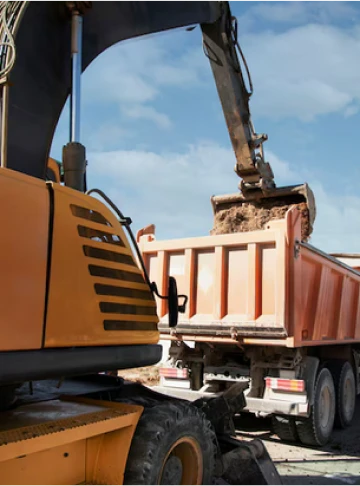
See our range of high-visibility safety mats and markers designed to reduce trip hazards across your site.
 19 September, 2026 | Admin
Saudi Arabia's road and rail infrastructure b
Read more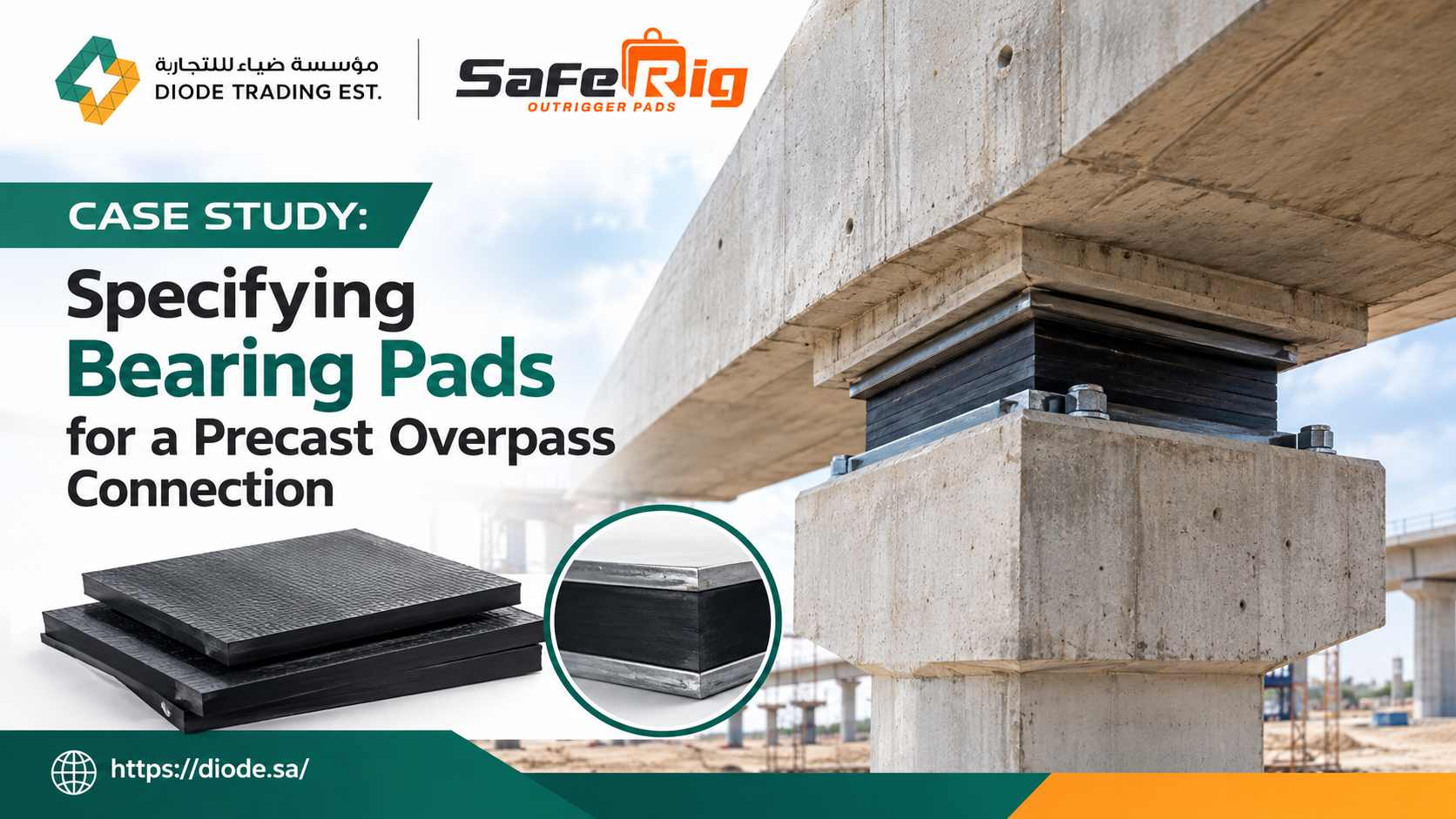 18 September, 2026 | Admin
A structural contractor working on a precast
Read more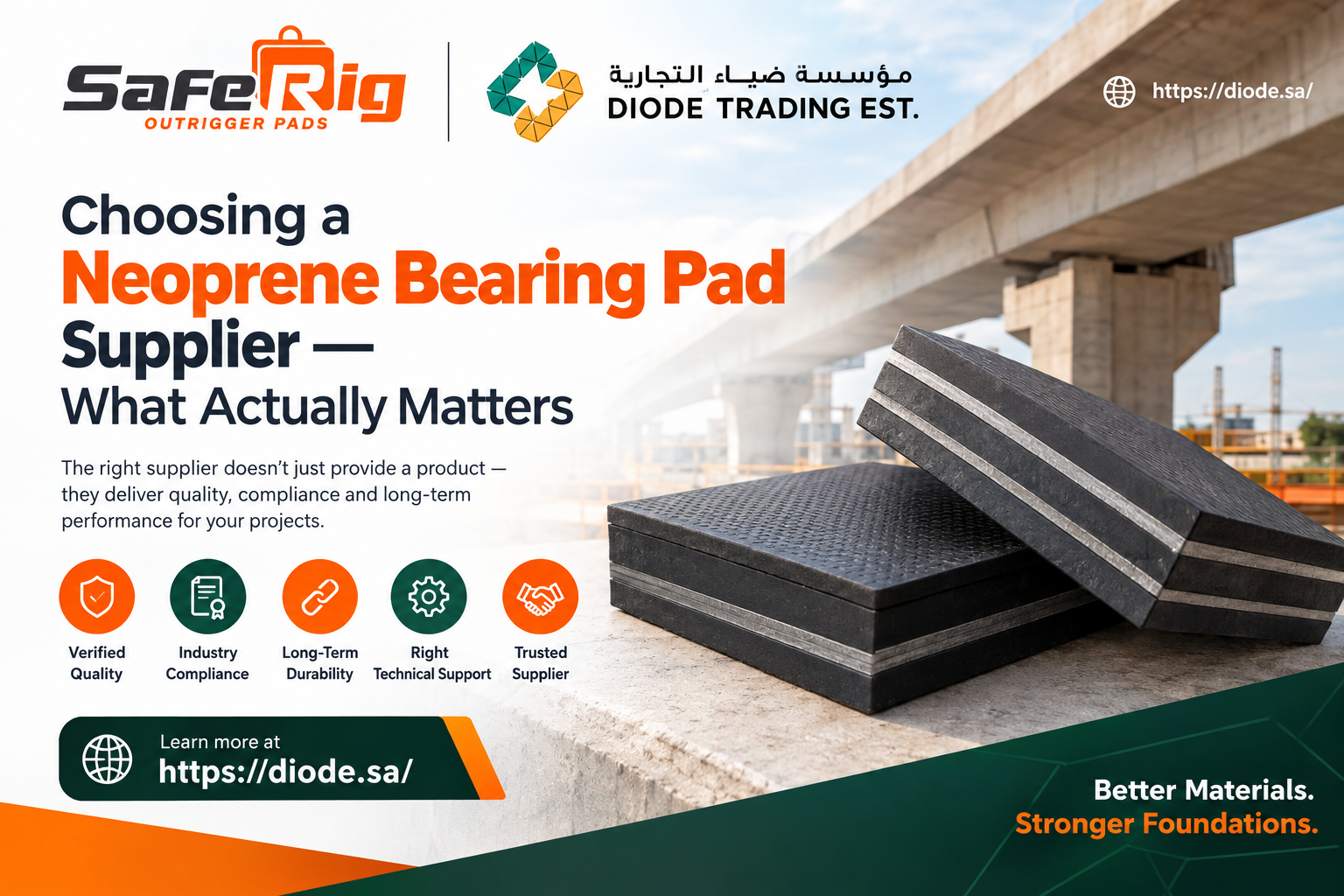 17 September, 2026 | Admin
Neoprene bearing pads are a structural compon
Read more