UHMWPE Chain Guide Sizes Explained: Codes and Pitch
17 November, 2026 | Admin
When you order a UHMWPE chain guide, the size code on the drawing decides whether the part fits your conveyor or ends up on the shelf. This guide explains how to read a chain guide size, how it relates to chain pitch, and what to measure before you ask for a quote. Diode Trading EST keeps 225 standard sizes in stock in Dammam, so most orders can be matched from the table without any custom work.
A chain guide is a long plastic profile that the chain slides along. The code is a short label made of a series name (for example 1B, 2 or S) and a chain size or a size number. The series sets the shape of the profile: how wide the channel is, how high the side walls are and whether the guide has a mounting rail. The size number sets the dimensions that match a given chain.
Free engineering tools
Plastic weight calculator — Work out the weight of UHMWPE Chain Guide Sizes Explained sheets, rods and tubes in kg
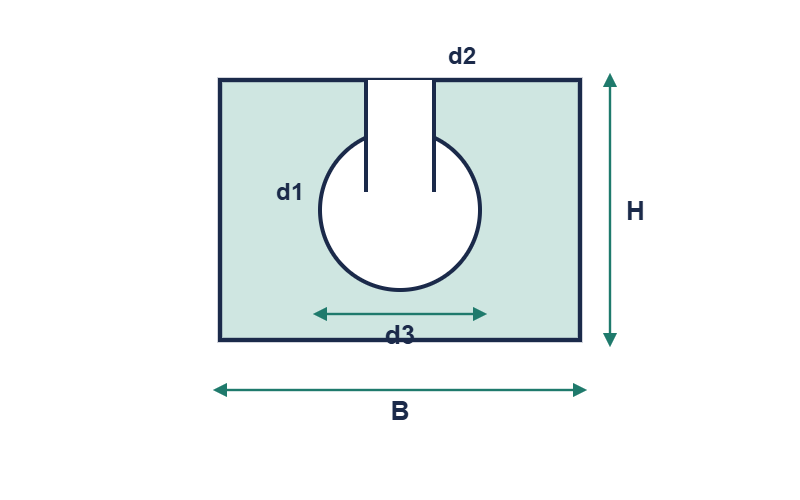
The drawing for each size lists letter dimensions such as A, B, C and H. In most series, B is the width of the channel the chain runs in, H is the overall height and A is the overall width of the guide. Always read the dimension names from the drawing for that series, because the same letter can mean a different thing in a different series.
Match the guide to the chain pitch
For roller chain, the size you start from is the pitch, which is the distance between two roller centres. Most European and Saudi industrial chain follows the ISO B series. These are the common pitches:
ISO chain size
Pitch (mm)
05B
8.0
06B
9.525
08B
12.7
10B
15.875
12B
19.05
16B
25.4
20B
31.75
24B
38.1
28B
44.45
32B
50.8
The pitch tells you which chain you have, but it does not give you the guide size on its own. Two chains with the same pitch can differ in inner width, roller diameter and plate height, and the guide must clear all three. For background on how roller chain is built, see the roller chain overview on Wikipedia.
What to measure before you order
Chain pitch and chain number. Read it from the chain plates or the maker’s label.
Roller diameter and inner width. The channel must be wider than the chain by a small running clearance so the chain does not bind.
Plate height. This decides how high the side walls can be before they touch the moving plates.
Mounting method. Decide whether the guide is bolted straight to a flat frame or needs a rail, which is the C-profile type covered in our C-profile chain guide article.
Length and number of pieces. Guides are long, so confirm the total run and how you want it joined.
The standard range at a glance
The standard range covers 24 series, from the plain straight profiles to grooved, step, pin and tall types, plus guides for flat, V and round belts. In total there are 225 sizes, each with its own drawing and dimension row. You can open the full UHMWPE chain guide size tables and find your series, then pick the row that matches your chain. If you are not sure which profile suits the job, start with the chain guide selection guide.
Common ordering mistakes
Ordering by pitch only and ignoring the roller diameter.
Choosing a channel with no running clearance, which makes the chain run hot and wear faster.
Reading a dimension letter from one series and applying it to another series.
Forgetting the mounting holes or the rail type until the guide arrives.
How to get the right size quickly
Send us the chain number, a photo of the existing guide or a sketch with the main dimensions, and the length you need. We match it to the standard table and confirm availability. Every order ships with a material test certificate, and the sizes are held in stock in Dammam, so there is usually no wait for a made-to-order run. You can find the full range on our chain guides product page, which also has the downloadable size catalogue.




 17 November, 2026 |
 Admin