 30 October, 2026 |
 Admin
Synthetic Turf in Saudi Arabia
Short answer: Synthetic t
Read more
Enquire Now
 30 October, 2026 | Admin
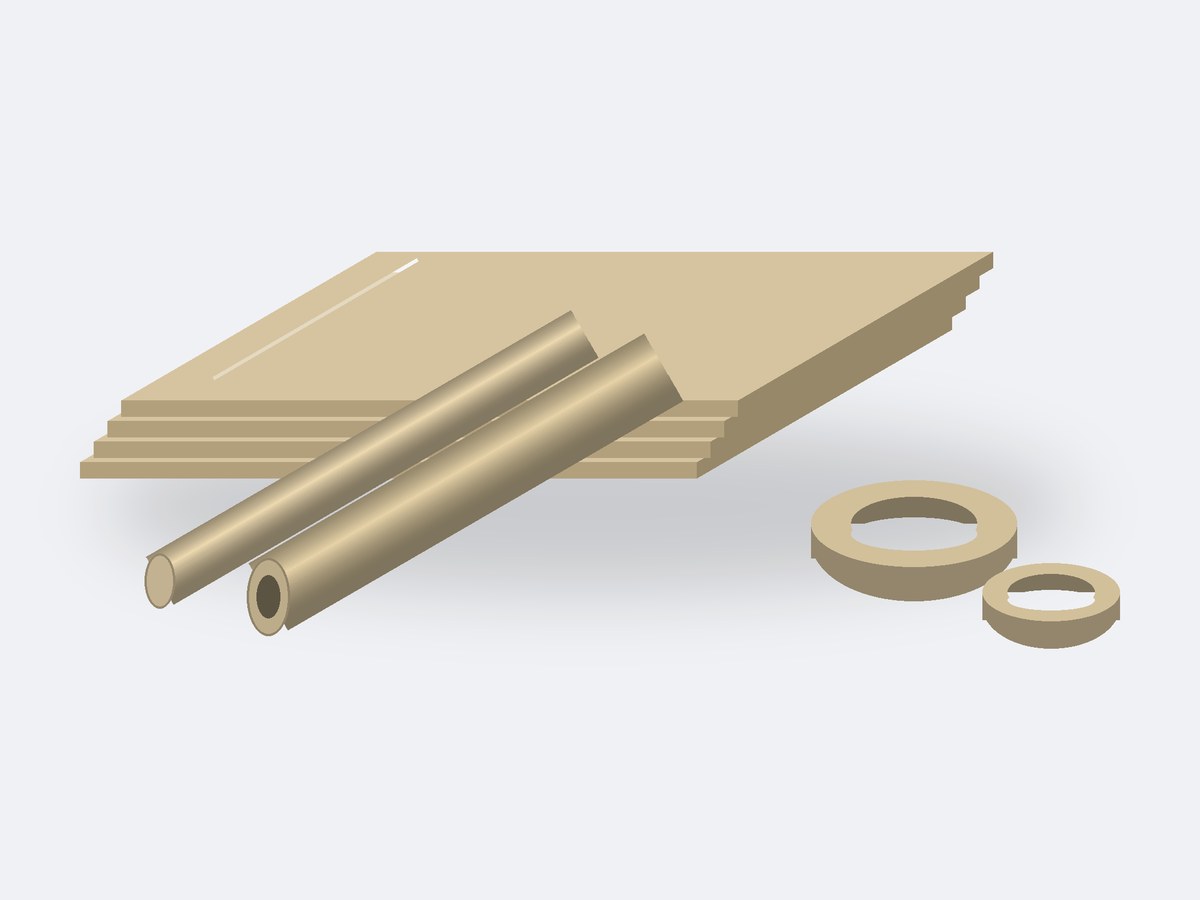
Short answer: PEEK (polyether ether ketone) is a
high-performance plastic that keeps its strength at high temperature,
resists most chemicals and wears well. It is used for demanding parts in
oil and gas, semiconductor, aerospace and medical-type equipment. It
costs far more than common engineering plastics, so it is chosen when
nothing cheaper will survive.
Most plastics soften when they get hot. PEEK is different: it keeps
stiffness and strength at temperatures where nylon or POM would fail. It
also resists many chemicals, hot water and steam.
Free engineering tools
Choose the grade from the datasheet; the filler changes stiffness,
wear and electrical behaviour.
| Sector | Example parts |
|---|---|
| Oil and gas | Seals, back-up rings, insulators, valve seats |
| Semiconductor | Wafer handling parts, clamps |
| Pumps and compressors | Wear rings, bushes, thrust washers |
| Aerospace | Lightweight structural and insulating parts |
| Medical-type equipment | Parts needing sterilisation resistance (check the specific grade) |
Use PEEK when the part needs a combination that cheaper plastics
cannot give: high temperature plus chemical resistance plus wear or
strength. If the temperature is moderate, POM, nylon, PET or PPS may do
the job at a lower cost. PPS is a common step between standard plastics
and PEEK. See PPS guide.
PEEK machines well with sharp carbide tools. It can hold stress, so
for precise parts, rough machine, relieve stress and finish. Keep chips
and heat under control.
Form, size, grade (unfilled or reinforced), temperature, chemical
contact, load and quantity. Diode Trading EST supplies PEEK sheets and
rods in Saudi Arabia, and every order ships with a Material Test
Certificate. If your application needs a specific approval or
certification, tell us before ordering. request a quote
Ask three questions. First, is the working temperature above what
PPS, PET or POM can manage? Second, is the fluid aggressive, such as hot
water, steam or a strong solvent? Third, will the part see wear or
dynamic load at the same time? If you answer yes to two or more, PEEK is
likely worth the cost. If only one applies, a cheaper plastic may serve.
A short trial with the cheaper option, in a safe test setup, can save
money.
Is the sheet or rod unfilled, glass filled or carbon filled? Is it
stress-relieved and what is the stock tolerance? What documentation
comes with it? Can the supplier machine the part for you if your own
workshop does not have suitable tooling?
PEEK is expensive, so scrap is costly. Plan the tool path to cut
stress evenly, use sharp carbide and coolant, and avoid heating the
part. Measure after the part has returned to room temperature.
What is PEEK used for? High-temperature, chemically
resistant and wear-resistant parts in demanding industries.
Why is PEEK expensive? It is a high-performance
polymer that is costly to make.
Is PEEK better than PTFE? They solve different
problems. PEEK is strong and stiff at heat; PTFE has the lowest friction
and the broadest chemical resistance but is soft.
Can PEEK replace metal? In many parts, yes,
especially where corrosion, weight or insulation matter.
Related: PPS Sheets and Rods · PTFE Guide ·
Engineering Plastics Guide
See our range of high-visibility safety mats and markers designed to reduce trip hazards across your site.
Diode Trading EST supplies these Engineering Plastics from stock in Dammam, with delivery across Saudi Arabia and the GCC.