 10 October, 2026 |
  Admin
Admin
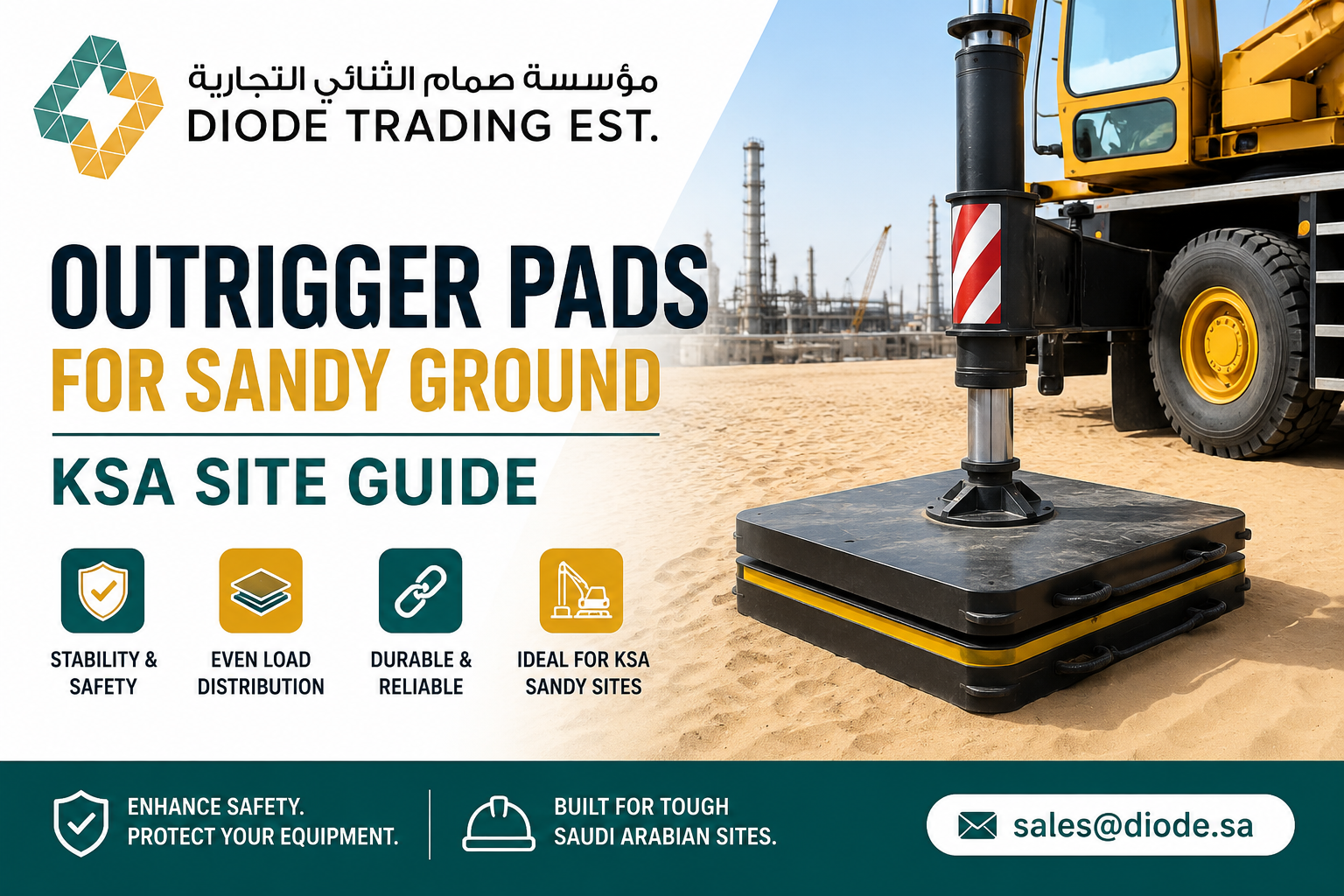
Crane Hire and Outrigger Pads
Planning a crane lift in Qatar means solvi
Read more
Enquire Now
 09 October, 2026 | Admin
Short answer: choose rubber sheet by what it will touch. NBR (nitrile) is the usual choice for oils and fuels. EPDM is the usual choice for water, steam and outdoor weathering, but not oils. Neoprene sits in between, with moderate oil and good weather resistance. Silicone covers the widest temperature range and suits food and pharma, but has lower tear strength. The exact ratings depend on the compound, so always confirm with the datasheet for the grade you buy.
The table shows general suitability as commonly published for these rubber families. Individual compounds vary; check the supplier datasheet before specifying.
| Property | NBR (nitrile) | EPDM | Neoprene (CR) | Silicone |
|---|---|---|---|---|
| Mineral oils and fuels | Generally good | Generally poor | Moderate | Generally poor |
| Water | Good | Very good | Good | Good |
| Steam / hot water | Limited | Generally good | Limited | Limited |
| Weather, UV and ozone | Generally poor | Very good | Good | Very good |
| Low temperature | Fair | Good | Fair | Very good |
| High temperature | Moderate | Moderate to good | Moderate | Best of the four |
| Tear and abrasion | Good | Good | Good | Lower |
| Food contact | Food grades available | Food grades available | Food grades available | Food and pharma grades available |
Nitrile is the standard for gaskets and seals in contact with mineral oils, lubricants, hydraulic fluids and fuels. It is used on pumps, gearboxes, fuel systems and oil-field equipment. It is less suitable for outdoor exposure, where ozone and UV can crack it unless protected.
EPDM is the standard for water, steam, outdoor weathering and many dilute chemicals. It is used for HVAC, water treatment, roofing and outdoor seals. It swells in petroleum oils and fuels, so do not use it where oil contact is expected. See EPDM rubber sheets.
Neoprene is the all-rounder: moderate oil resistance, good weather resistance and better flame behaviour than many rubbers. It is used for pads, door seals, marine applications and general gaskets.
Silicone has the widest temperature range of the four and is used for oven and dryer seals, food and pharmaceutical gaskets and lighting enclosures. Its lower tear and abrasion resistance means it is not the best choice for dynamic or abrasive duty.
For aggressive chemicals beyond these rubbers, PTFE or Viton (FKM) may be needed; see our gasket chemical compatibility chart. For piping gaskets, read rubber gaskets for piping. For the full selection process, see our guide on how to choose engineering plastic.
Products: NBR rubber sheets, EPDM beading and profiles, neoprene sheet and silicone sheet. Every order from Diode Trading EST is supplied with a Material Test Certificate.
NBR (nitrile) is the usual choice for mineral oils and fuels. Confirm with the compound datasheet.
EPDM, because of its strong resistance to weather, UV and ozone, provided there is no oil contact.
No. Neoprene has moderate oil resistance and good weathering; EPDM has excellent weathering but poor oil resistance.
For very high or low temperatures and food or pharmaceutical use, where its lower tear strength is acceptable.
See our range of high-visibility safety mats and markers designed to reduce trip hazards across your site.
 10 October, 2026 | Admin
Planning a crane lift in Qatar means solvi
Read more