

 05 October, 2026 |
  Admin
Admin
PTFE Components for Food &
Food and beverage processing equipment needs
Read more
Enquire Now
 25 September, 2026 | Admin
A processing plant was replacing gaskets at one particular flange far more often than anywhere else in the facility, without an obvious reason why — until the material itself came into question. This PTFE gasket case study from Saudi Arabia shows how matching PTFE grade to actual process conditions, not just the plant’s default spec, solved a problem that looked like it needed more frequent maintenance rather than a different material.
Standard PTFE gaskets at the flange were showing signs of degradation well ahead of the plant’s normal replacement interval, despite the same material working fine elsewhere in the plant. Maintenance had been treating it as a wear-and-tear issue and simply replacing the gasket on a shorter cycle, which kept the line running but didn’t explain why that one flange behaved differently from the rest of the system.
A closer look at the specific process conditions at that flange — higher operating temperature than the plant’s average — pointed to a grade mismatch. Switching to a PTFE grade rated for the higher temperature range resolved the early degradation.
“PTFE” on a datasheet covers a range of formulations, and the differences between them matter most exactly where this plant ran into trouble: temperature and chemical exposure at a specific point in the process. Virgin PTFE has excellent chemical resistance but a lower practical temperature ceiling under continuous load than glass-filled or carbon-filled PTFE grades, which are compounded specifically to hold their seal integrity at higher operating temperatures and pressures. A gasket spec that works plant-wide can still be the wrong choice at one flange if that point in the line runs hotter, sees more thermal cycling, or is exposed to a different chemical concentration than the rest of the system. Diode Trading EST stocks multiple PTFE gasket grades for exactly this reason — the right fix is often not a different maintenance schedule but a different material rated for the actual conditions at that specific point. Full technical datasheets for each PTFE grade are available on our downloads page.
The signal in this case was simple: one flange failing on a shorter cycle than every comparable flange in the same system. That kind of localized, repeated failure is usually a better clue than an overall inspection finding, because it points to a condition specific to that location rather than a general wear issue. Checking the actual operating temperature and chemical exposure at the point of failure — rather than assuming the plant-wide gasket spec applies everywhere — is what catches a grade mismatch before it turns into a recurring maintenance line item.
Gasket life at that flange returned to a normal replacement interval. It’s a reminder that PTFE isn’t a single spec — matching the grade to the actual, specific conditions at each point in a process matters more than defaulting to whatever grade is used plant-wide.
This isn’t a one-off quirk of a single flange — it’s a pattern worth checking for anywhere a gasket keeps failing faster than its neighbors on the same line. Before assuming a shorter replacement interval is just the cost of doing business at that point, it’s worth confirming the actual temperature, pressure, and chemical exposure at that specific location against the rated limits of the gasket grade in use. In many cases, as with this Saudi Arabia processing plant, the fix costs no more than the gasket itself — it just requires specifying the right PTFE grade rather than repeating the same order that’s already failing early.
See our range of high-visibility safety mats and markers designed to reduce trip hazards across your site.
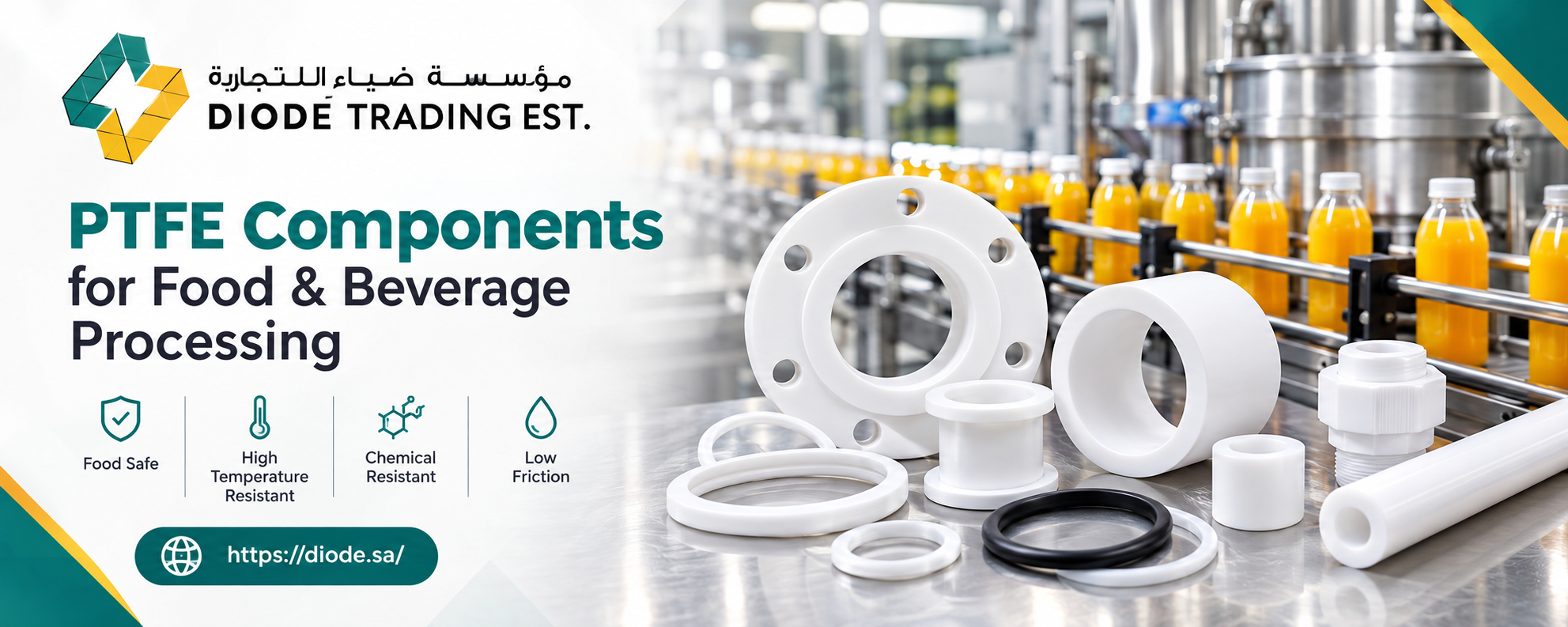 05 October, 2026 | Admin
Food and beverage processing equipment needs
Read more 05 October, 2026 | Admin
Pharmaceutical manufacturing environments dem
Read more 04 October, 2026 | Admin
Semiconductor and electronics manufacturing p
Read more