 05 October, 2026 |
  Admin
Admin
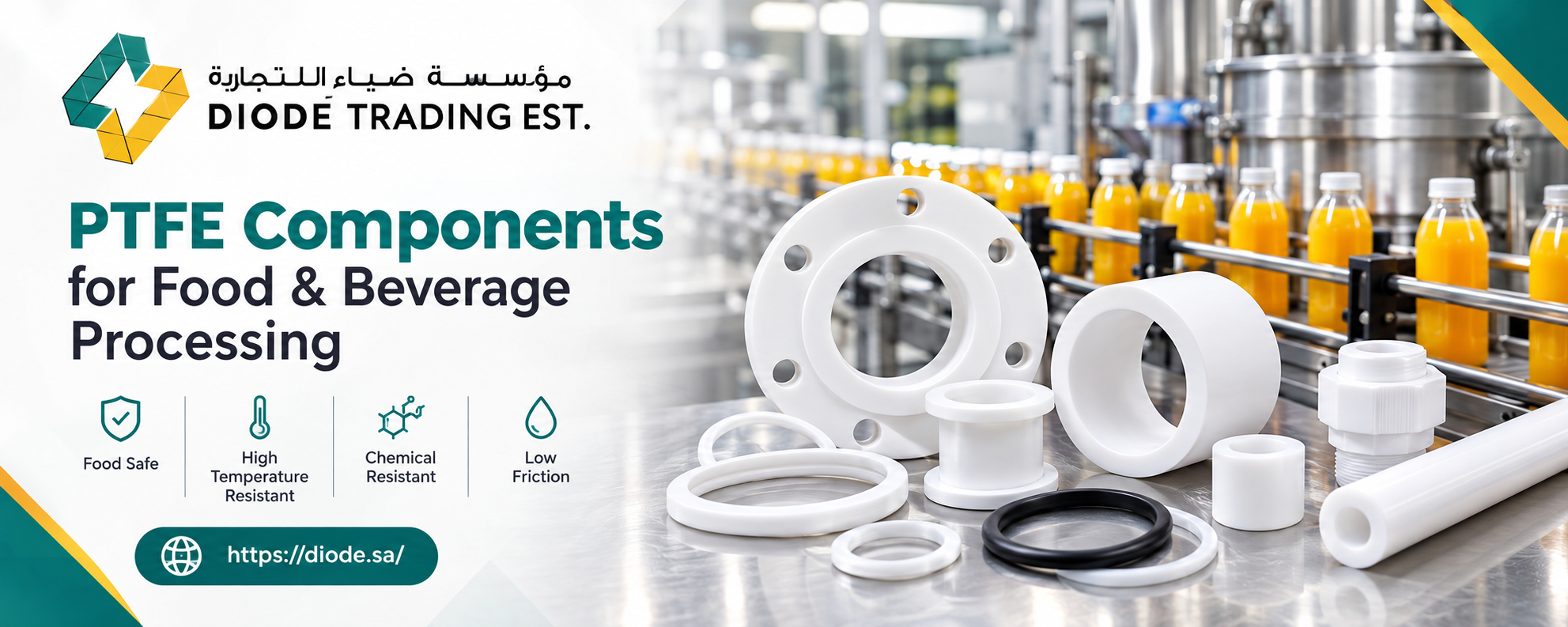
PTFE Components for Food &
Food and beverage processing equipment needs
Read more
Enquire Now
 01 October, 2026 | Admin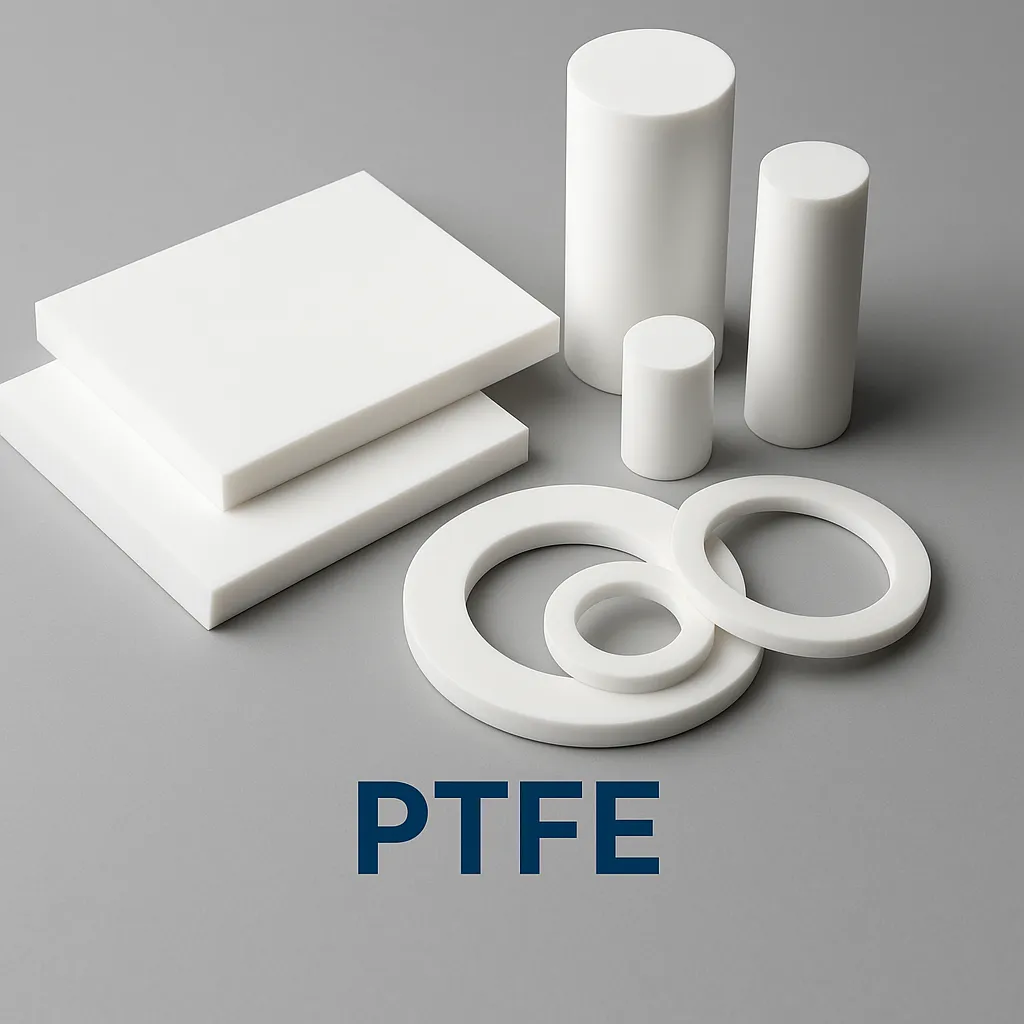
“PTFE” is not one material — it is a family of grades, and picking the wrong one is one of the most common (and costly) mistakes in industrial procurement. Virgin PTFE and its filled variants (glass-filled, carbon-filled, bronze-filled) share the same chemical resistance and temperature range, but differ enormously in mechanical performance. Here is how to tell them apart.
Virgin PTFE is 100% pure PTFE resin with no additives. It offers the best chemical resistance and the lowest coefficient of friction of any PTFE grade, along with FDA/USP Class VI compliance for food and pharmaceutical use. Its weakness is mechanical: virgin PTFE has low wear resistance and is prone to “cold flow” (creep) under sustained load, so it is not the right choice for heavily loaded bearings or structural seals.
Best for: food and pharma contact parts, low-load seals and gaskets, electrical insulation, chemical-transfer components.
Adding glass fiber dramatically improves wear resistance, compressive strength, and dimensional stability under load, at a small cost to chemical resistance against strong alkalis (hydrofluoric acid and molten alkali metals should be avoided). Glass-filled PTFE is the general-purpose “go-to” filled grade for wear parts.
Best for: bushings, wear rings, valve seats, guide rails, piston rings.
Carbon filler gives the highest compressive strength and wear resistance of the common filled grades, plus better thermal conductivity (helps dissipate frictional heat) and some electrical conductivity (useful for static-dissipative applications). It resists most chemicals except strong oxidizers.
Best for: heavy-load bearings, thrust washers, high-PV (pressure x velocity) rotating seals, static-dissipative parts.
Bronze filler gives the highest load-bearing capacity and thermal conductivity of the common filled grades, and excellent wear resistance under high unidirectional load — but bronze is attacked by acids and oxidizing chemicals, so this grade is unsuitable for acidic or corrosive environments.
Best for: hydraulic/pneumatic piston rings and rod seals, heavily loaded bushings in non-corrosive environments.
| Grade | Wear Resistance | Chemical Resistance | Load Capacity | Typical Use |
|---|---|---|---|---|
| Virgin PTFE | Low | Excellent (near-universal) | Low | Food/pharma, low-load seals |
| Glass-Filled | Good | Very good (avoid strong alkalis) | Good | General wear parts, bushings |
| Carbon-Filled | Very good | Good (avoid strong oxidizers) | Very good | Heavy-load bearings, seals |
| Bronze-Filled | Excellent (unidirectional) | Poor with acids | Excellent | Hydraulic seals, non-corrosive bushings |
Can virgin PTFE be used for bearings?
Only in very low-load, low-speed applications — for anything with sustained mechanical load, a filled grade (glass, carbon, or bronze) will perform significantly better and last longer.
Is bronze-filled PTFE food safe?
No — bronze-filled PTFE is not FDA-compliant. Use virgin PTFE for food and pharmaceutical contact parts.
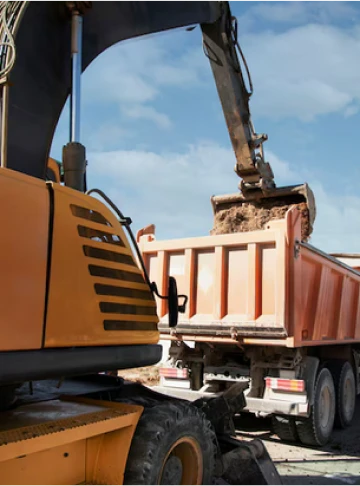
See our range of high-visibility safety mats and markers designed to reduce trip hazards across your site.
 05 October, 2026 | Admin
Food and beverage processing equipment needs
Read more 05 October, 2026 | Admin
Pharmaceutical manufacturing environments dem
Read more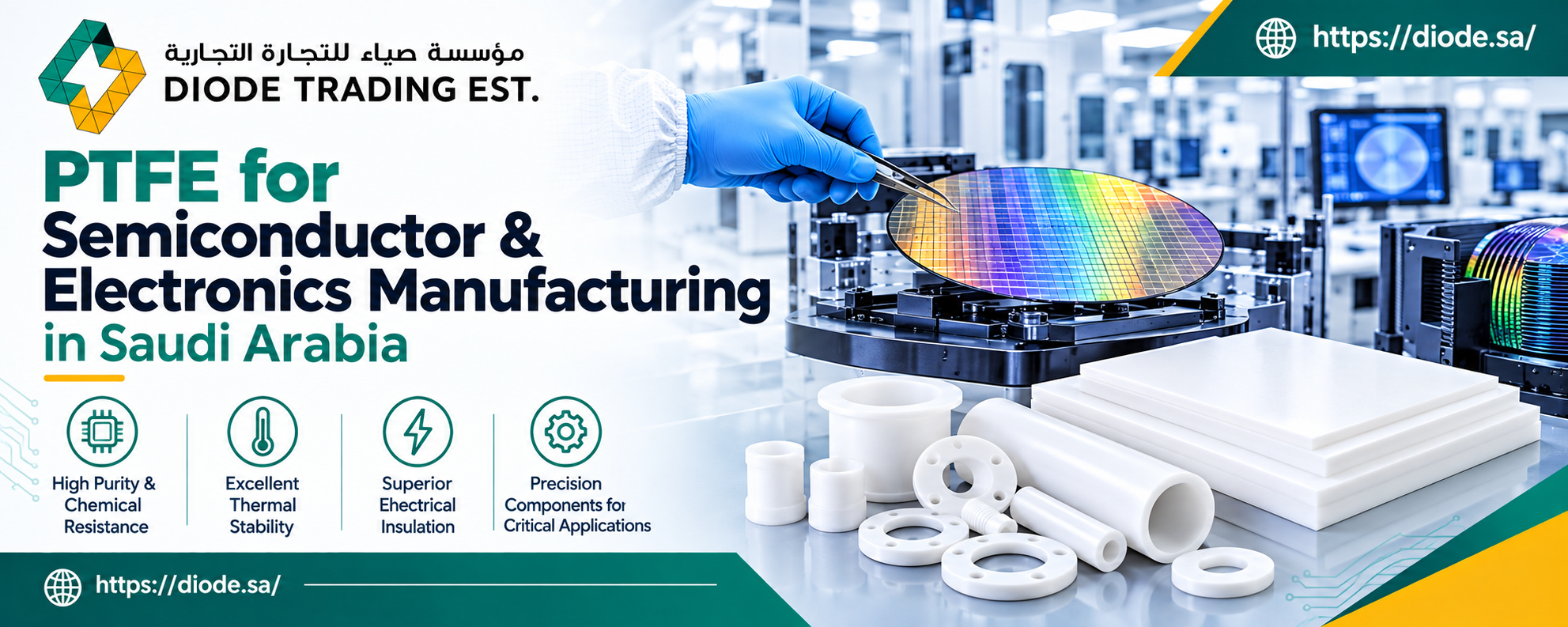 04 October, 2026 | Admin
Semiconductor and electronics manufacturing p
Read more