 10 October, 2026 |
  Admin
Admin
Crane Hire and Outrigger Pads
Planning a crane lift in Qatar means solvi
Read more
Enquire Now
 09 October, 2026 | Admin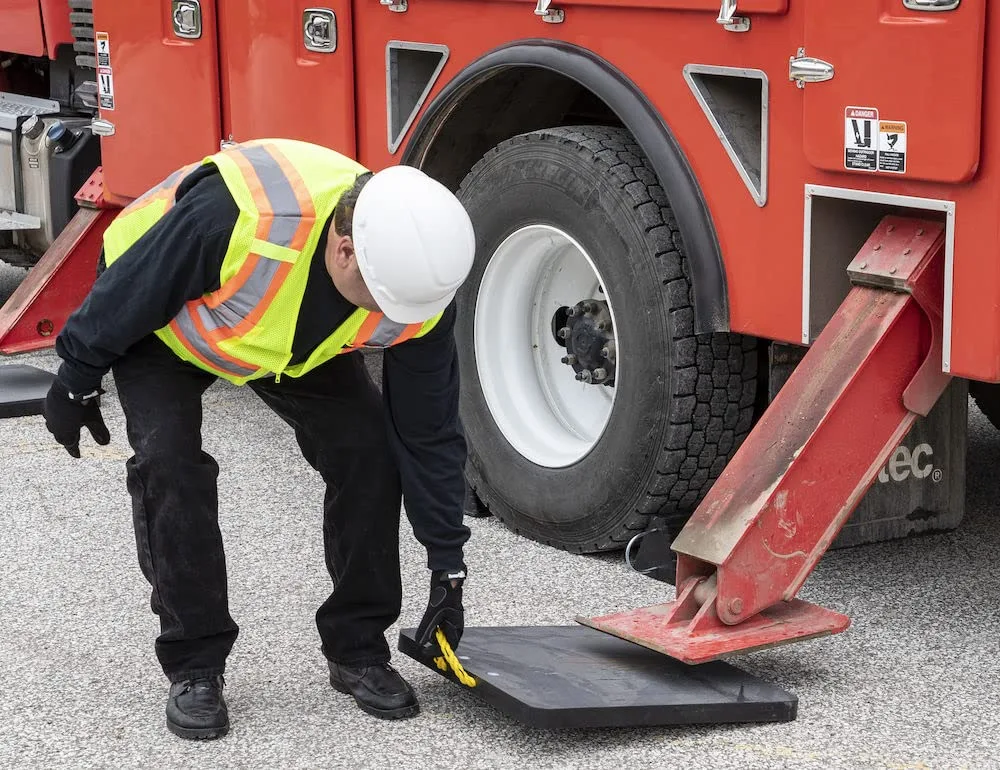
Short answer: steel plates are very stiff and thin, but heavy, prone to corrosion and can be slippery. UHMWPE (plastic) outrigger pads are much lighter, do not corrode or absorb water, and are easier and safer to handle every day. For most mobile cranes, boom trucks and concrete pumps, UHMWPE pads are the practical choice; steel plates still suit very high point loads or semi-permanent set-ups where weight does not matter. This guide compares steel plate vs plastic outrigger pads in detail.
| Factor | Steel plate | UHMWPE pad |
|---|---|---|
| Weight | Very heavy; often needs lifting equipment | Light; smaller pads can be carried by hand |
| Stiffness | Very high for its thickness | Lower; needs more thickness for the same stiffness |
| Corrosion | Rusts, especially on coastal and humid sites | Does not corrode |
| Water absorption | None, but rust and scale build up | None |
| Slip | Smooth plate can slide on wet or smooth surfaces | Textured surfaces available to reduce slip |
| Chemicals and fuel | Generally resistant but rusts | Resists hydraulic oil, diesel and most site chemicals |
| Ground and surface damage | Edges can cut into asphalt and finished surfaces | Gentler on finished surfaces |
| Electrical | Conductive | Non-conductive |
| Upfront cost | Varies with steel price | Typically higher than timber; long life |
| Service life | Long if maintained and painted | Long; does not rot, rust or split |
Handling is where the difference is biggest. A steel plate large enough for a mid-size crane can weigh several hundred kilograms and must be moved with a forklift or the crane itself. Manual handling injuries and crushed fingers are common when steel plates are dragged into position. A UHMWPE pad of similar area is a fraction of the weight, so it can be positioned quickly and accurately under the float. See safe use of outrigger pads.
Steel’s main advantage is stiffness: a thin plate spreads load well. UHMWPE achieves similar load spread with greater thickness, which is why plastic pads are thicker than steel plates for the same duty. Always check the pad’s rated capacity against the outrigger reaction; see outrigger pad thickness.
On Gulf coast sites, salt air, sabkha and humidity rust steel plates quickly unless they are painted and maintained. Rusted plates lose thickness, develop sharp edges and stain finished surfaces. UHMWPE does not corrode and is not affected by salt, which matters on coastal and sabkha crane outrigger pads sites. Heat is covered in outrigger pads extreme heat.
A smooth steel plate on a smooth or wet surface can let the outrigger float slide. Textured UHMWPE pads, and anti-slip designs, help keep the float in place. Whichever you use, set up on level, clean ground.
Timber is cheap but splits and degrades in heat; see outrigger pads vs timber cribbing. For crawler cranes and access routes, mats rather than pads are needed; see outrigger mat vs crane pad and our ground protection mats.
Diode Trading EST supplies SafeRig outrigger pads in 25 standard sizes, with a Material Test Certificate with every order. For the full selection process, read our guide on how to choose outrigger pads.
They can carry the same loads when sized correctly. UHMWPE pads are thicker than steel plates for the same duty, and each SafeRig size has a rated capacity.
Mainly weight and handling risk, corrosion on coastal sites, and slip on smooth surfaces.
No. UHMWPE does not corrode, rot or absorb water.
For very high point loads under small floats, semi-permanent installations, or where an engineered lift plan specifies steel.
See our range of high-visibility safety mats and markers designed to reduce trip hazards across your site.
 10 October, 2026 | Admin
Planning a crane lift in Qatar means solvi
Read more