 10 October, 2026 |
  Admin
Admin
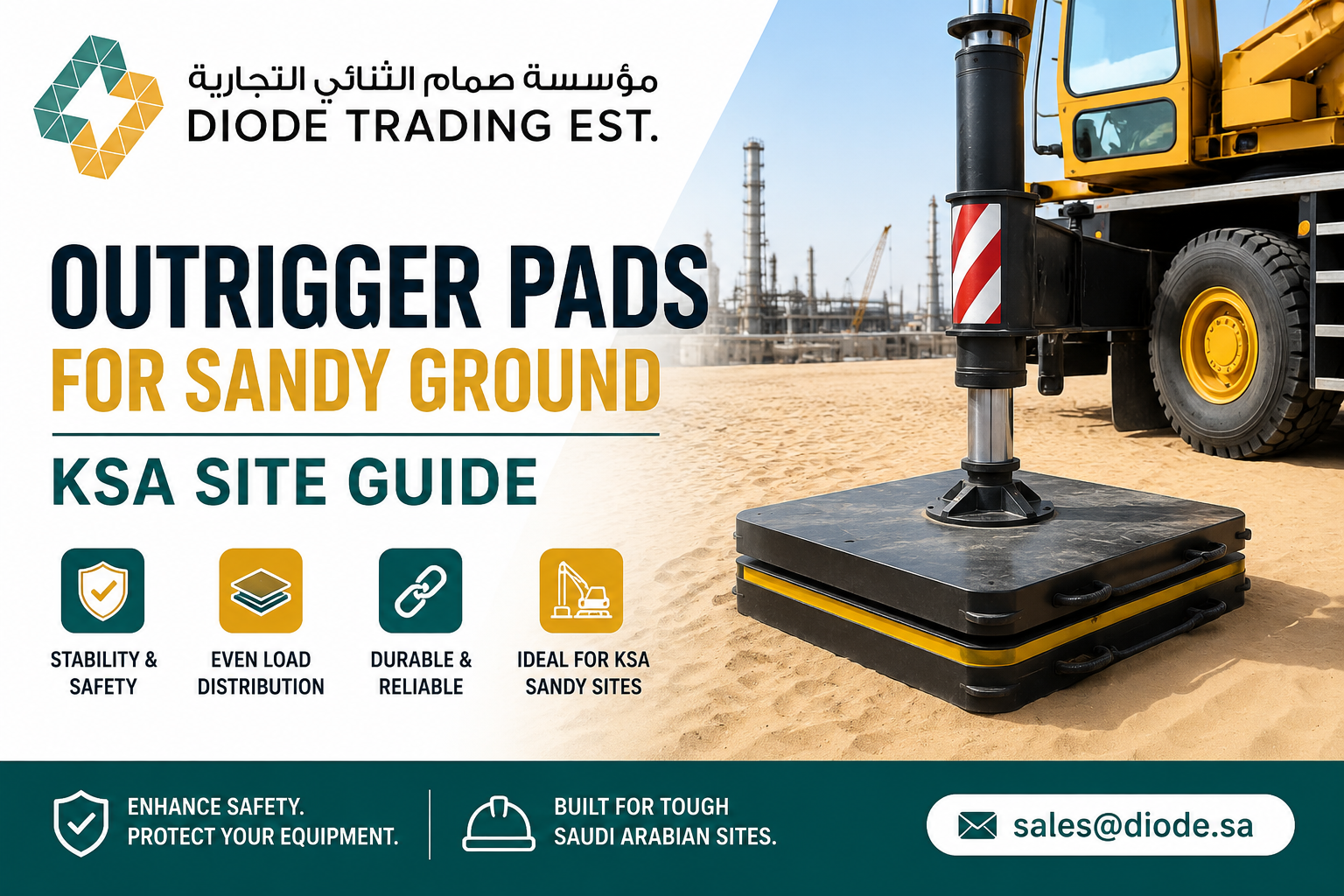
Crane Hire and Outrigger Pads
Planning a crane lift in Qatar means solvi
Read more
Enquire Now
 08 October, 2026 | Admin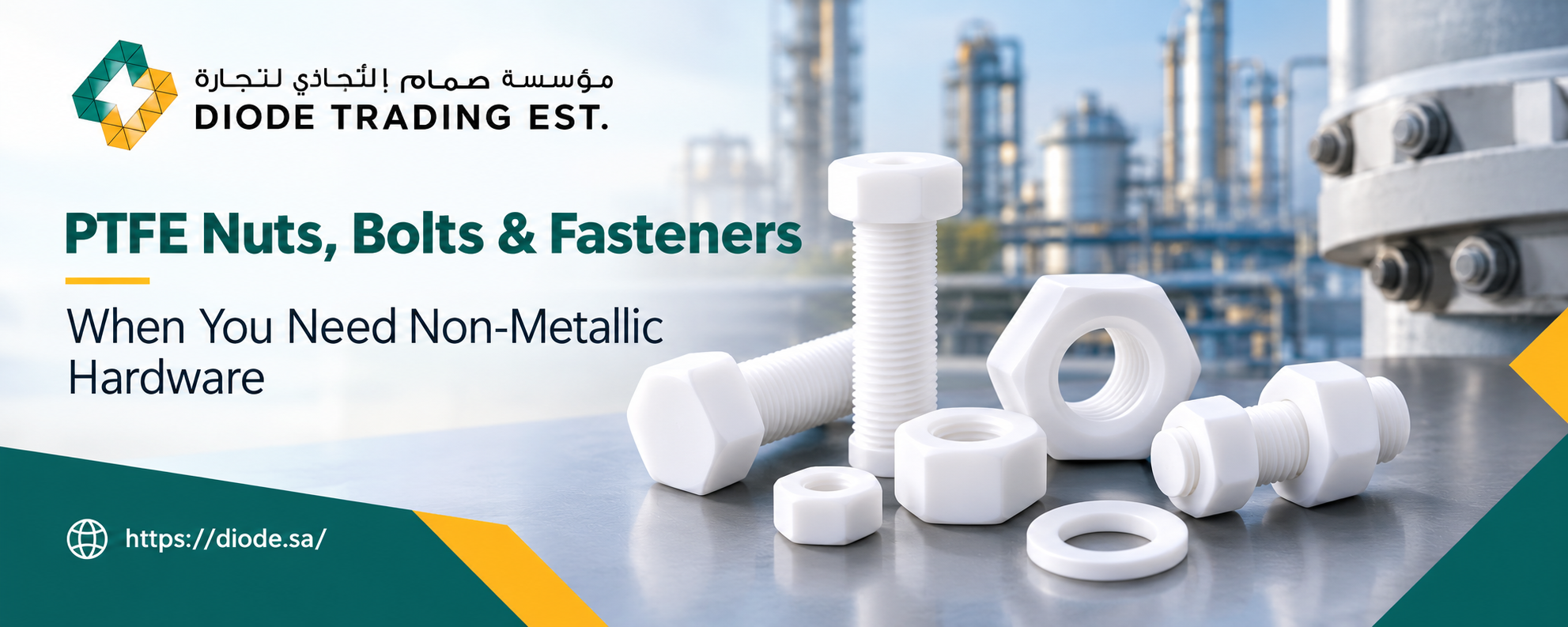
Standard metal fasteners corrode, conduct electricity, and can react with certain process chemicals — all reasons some applications call for PTFE nuts, bolts, and fasteners instead. They’re a smaller niche than PTFE’s sealing applications, ptfe wear strips slide tape but a genuine one where metal fasteners aren’t suitable.
• Chemical resistance where the fastener contacts corrosive process fluid or fumes
• Non-conductive — relevant for electrical isolation applications
• No corrosion in humid, coastal, or chemically aggressive environments
• Lighter weight than metal equivalents
• Chemical processing equipment where metal fasteners would corrode
• Electrical applications requiring non-conductive hardware
• Laboratory and cleanroom equipment assembly
PTFE fasteners have significantly lower mechanical strength than metal fasteners and are prone to cold flow (slow loosening) under sustained load — they’re a specialty choice for chemical/electrical isolation needs, not a general purpose substitute for structural metal fasteners.
Can PTFE bolts replace stainless steel bolts in a structural application?
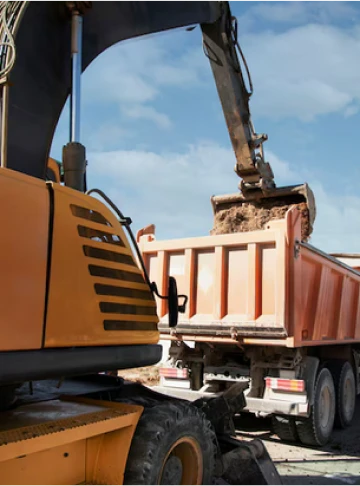
See our range of high-visibility safety mats and markers designed to reduce trip hazards across your site.
 10 October, 2026 | Admin
Planning a crane lift in Qatar means solvi
Read more