 05 October, 2026 |
  Admin
Admin
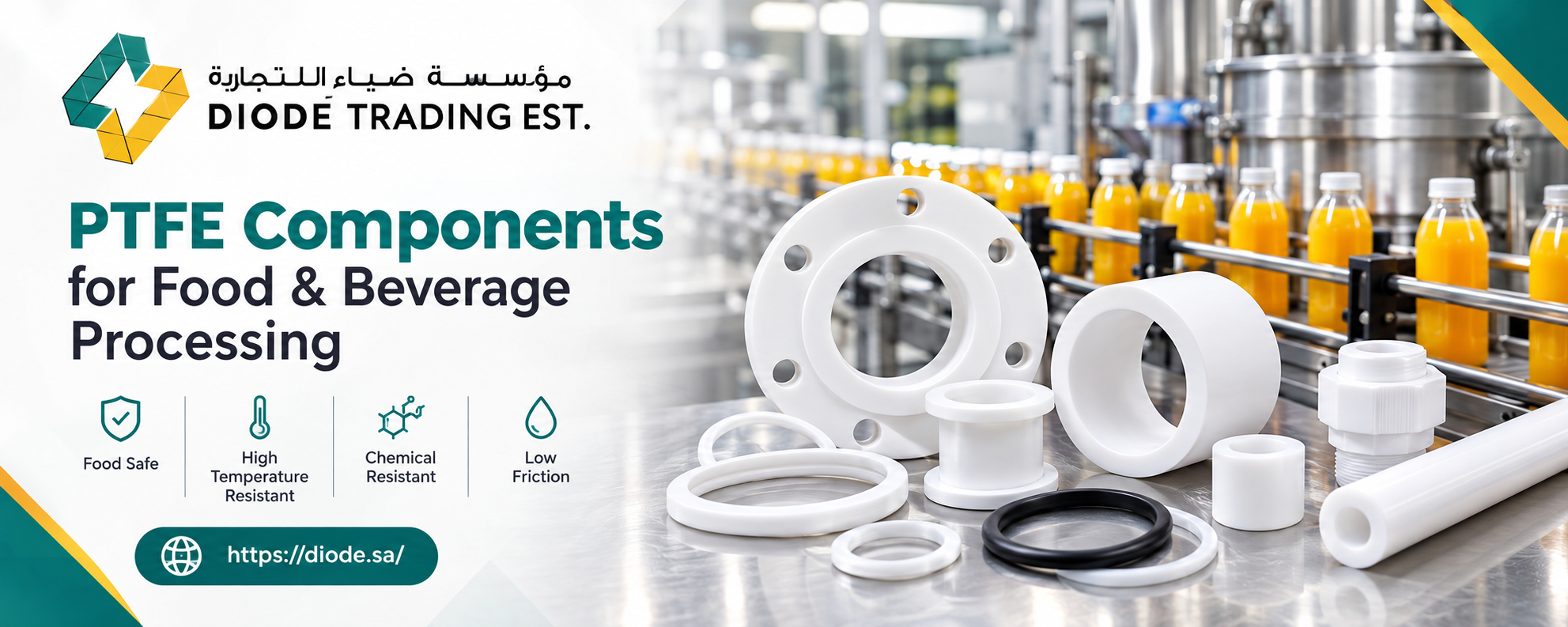
PTFE Components for Food &
Food and beverage processing equipment needs
Read more
Enquire Now
 01 October, 2026 | Admin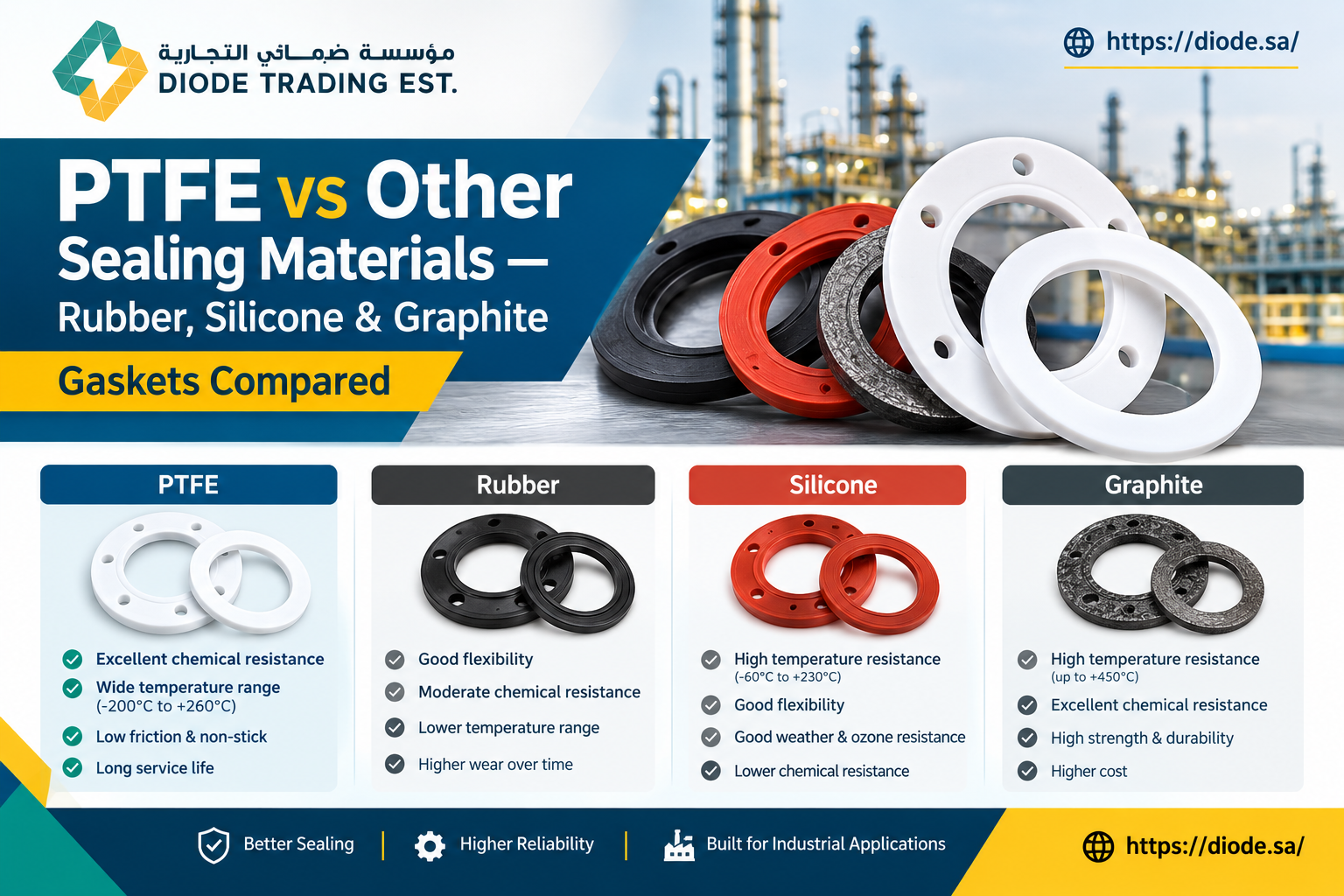
Gasket and sealing material choice comes down to three questions: what chemical is it sealing against, what temperature will it see, PTFE & Engineering Plastics Dhahran and how much it needs to flex or compress. PTFE, rubber, silicone, and graphite each answer those questions differently, and picking based on cost alone is one of the most common causes of premature seal failure.
| Property | Virgin PTFE | Glass-Filled (15%) | Carbon/ Graphite-Filled | Bronze-Filled |
| Chemical purity | Highest – pure PTFE | Slightly reduced | Slightly reduced | Reduced |
| Wear resistance | Fair | Good | Very good | Excellent |
| Property | Virgin PTFE | Glass-Filled (15%) | Carbon/ Graphite-Filled | Bronze-Filled |
| Compressive strength | Lower | Improved | Good | Highest |
| Friction coefficient | Very low | Low-moderate | Very low | Low |
| Typical use | Gaskets, seals, food/chemical purity-critical | Piston rings, bearings, wear parts | Valve seats, dynamic seals, bushings | Heavy-load bearings, highwear components |
PTFE’s defining strength is chemical inertness across an unusually wide temperature range – it resists nearly everything except a handful of exotic reagents. ptfe gaskets supplier The tradeoff is mechanical: PTFE is relatively rigid and prone to cold flow (slow deformation under sustained compression) if not torqued correctly, so gasket installation technique matters more than with a flexible rubber gasket.
Rubber gaskets are the general-purpose default for water, steam, and moderate oil exposure. They’re inexpensive, flexible, and forgiving of imperfect flange surfaces – but chemical resistance varies significantly by compound, and most rubber compounds have a much narrower temperature range than PTFE.
Silicone handles high and low temperatures well and is a common choice for food-grade and electrical insulation applications, but it has weaker chemical resistance than PTFE against solvents and many industrial chemicals – it’s a temperature and food-safety specialist more than a chemical-resistance specialist.
Flexible graphite gaskets handle extremely high temperatures – well beyond PTFE’s range – and excellent chemical resistance, particularly against acids, making them common in steam systems and high-heat process piping. The tradeoff is that graphite can be more brittle and less forgiving of movement or vibration than PTFE or rubber.
1. Aggressive or unknown chemical exposure, wide temperature swings: PTFE.
2. General water/oil sealing, cost-sensitive, non-aggressive chemicals: Rubber.
3. Food-grade, electrical insulation, wide temperature range without heavy chemical exposure:
Silicone.
4. Very high temperature (steam, furnace-adjacent piping): Graphite.
Both are used in food-grade applications; silicone is common for flexible seals and gaskets, while PTFE is often chosen where chemical resistance to cleaning agents or process fluids is the priority. The right choice depends on the specific application’s flexibility and chemical exposure needs.

See our range of high-visibility safety mats and markers designed to reduce trip hazards across your site.
 05 October, 2026 | Admin
Food and beverage processing equipment needs
Read more 05 October, 2026 | Admin
Pharmaceutical manufacturing environments dem
Read more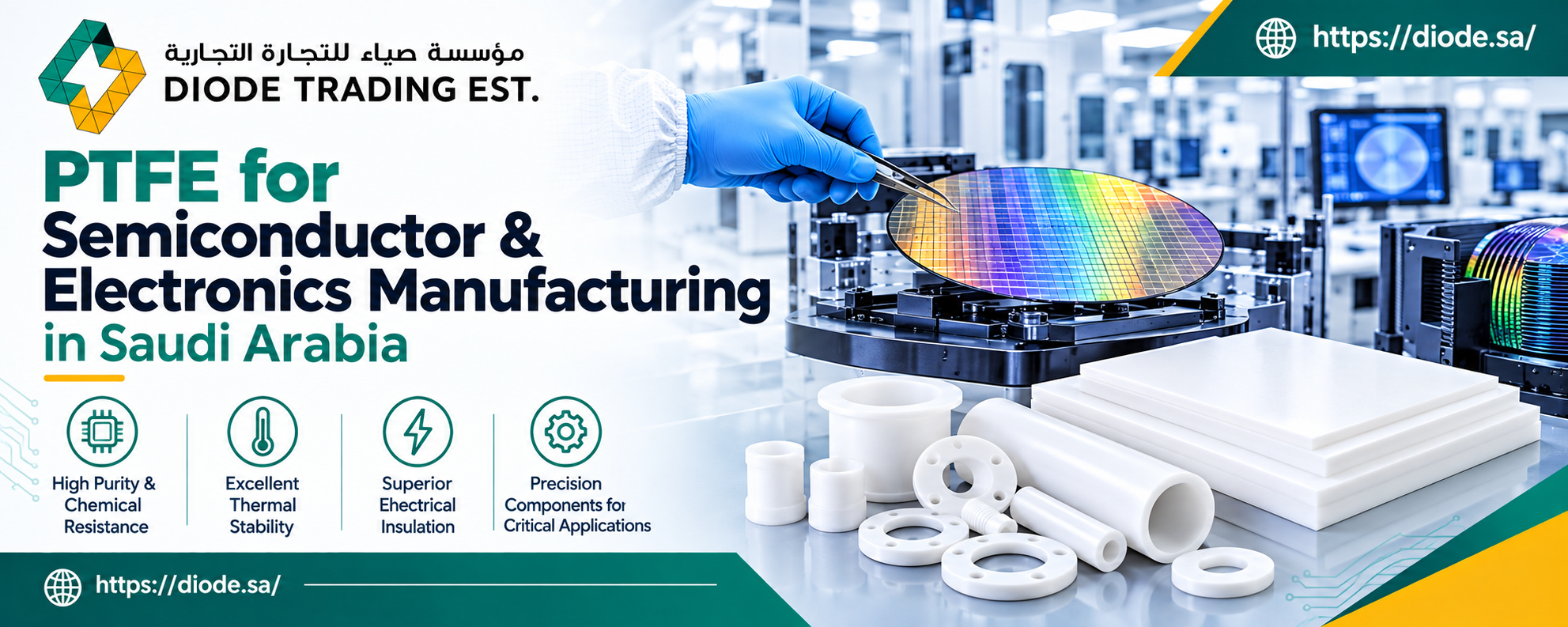 04 October, 2026 | Admin
Semiconductor and electronics manufacturing p
Read more