 05 October, 2026 |
  Admin
Admin
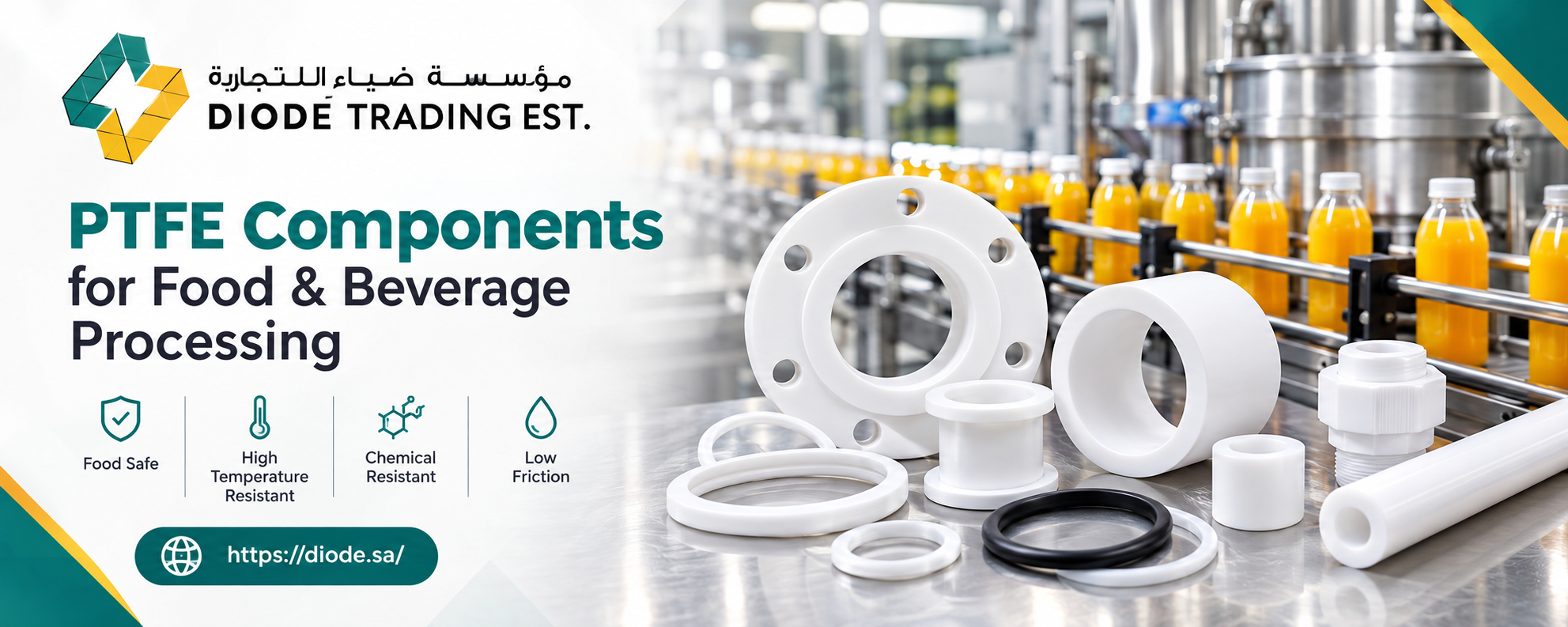
PTFE Components for Food &
Food and beverage processing equipment needs
Read more
Enquire Now
 24 September, 2026 | Admin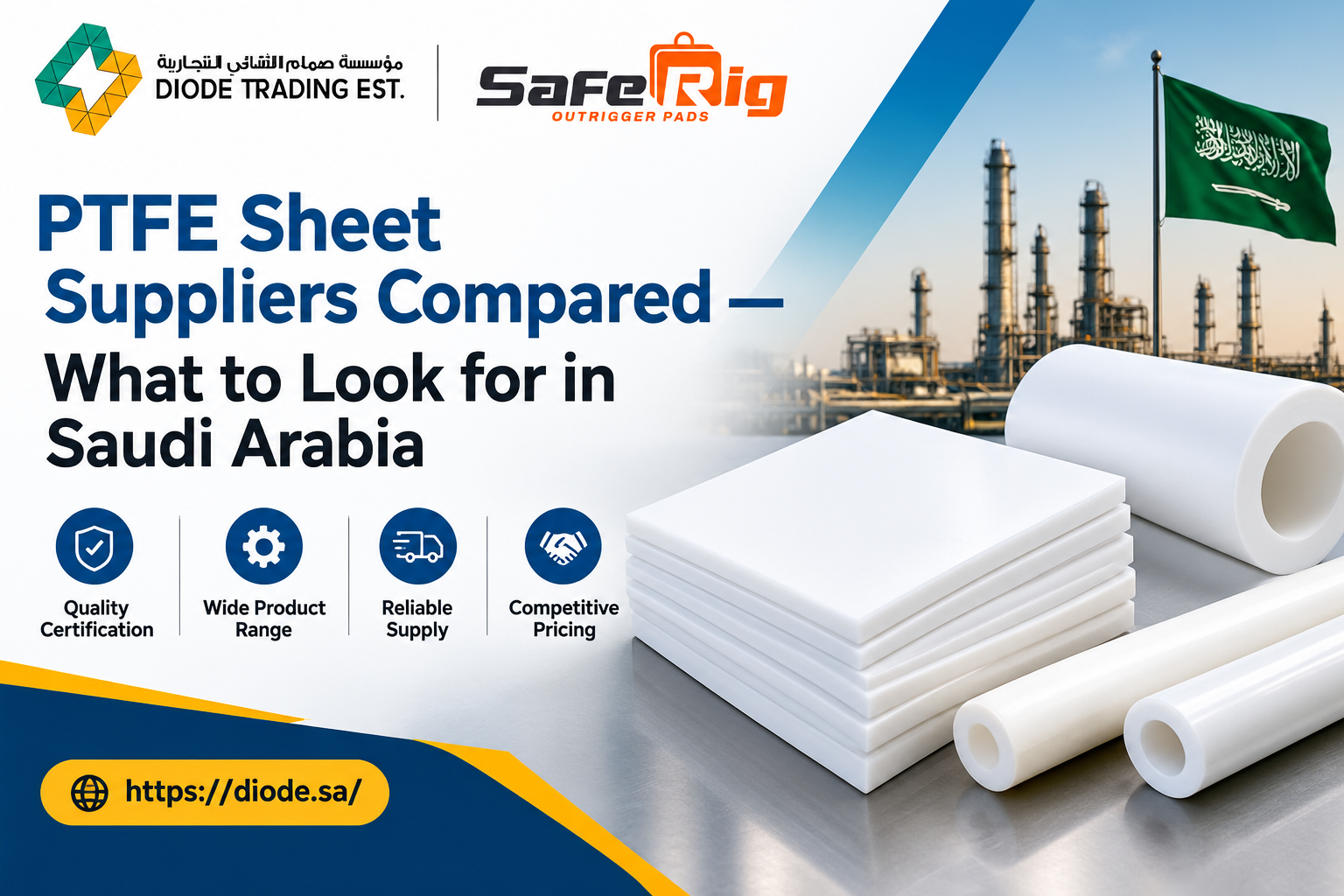
Not every ‘PTFE’ quote you receive is for the same material — grade, filler content, and manufacturing process all affect real-world performance, and a lower price sometimes just means a lower grade. This PTFE sheet supplier comparison for Saudi Arabia covers exactly what to check before you order, so you’re comparing like-for-like rather than just comparing numbers on a quote. It also matters for lined pipe and fittings, where the PTFE liner grade affects chemical resistance and service life just as much as it does for gasket sheet.
Virgin PTFE sheet and filled grades — glass-filled, carbon-filled, bronze-filled — are priced differently for a reason: the filler changes wear resistance, thermal conductivity, and creep resistance under load. A supplier quoting a lower price without asking about your operating temperature, chemical exposure, or load conditions is usually quoting whatever grade is cheapest to stock, not the grade that will actually perform in your application. The real cost of the wrong grade shows up later, in a gasket or liner that fails early and has to be replaced under downtime pressure — which is almost always more expensive than the difference in the original quote.
Beyond price, a PTFE sheet supplier worth ordering from repeatedly should be able to talk through grade selection for your specific process conditions, hold enough local stock in Saudi Arabia to avoid long import lead times on standard sizes, and supply documentation — datasheets and MTCs — that procurement and QA teams can actually use. Diode Trading EST stocks multiple PTFE grades from its Al Khobar warehouse and provides technical datasheets and certificates for its PTFE range on its downloads page, so buyers can check specifications before they order rather than after a part fails.
When two PTFE sheet quotes look different, the fastest way to compare them properly is to ask both suppliers the same three questions above and put the answers side by side, rather than just comparing the price per kilogram. A supplier that can answer clearly on grade, filler content, and available forms is giving you a real basis for comparison; one that can’t is asking you to buy on price alone, which is exactly how the wrong grade ends up in service.
Virgin PTFE offers the widest chemical resistance and the lowest friction of the PTFE family, which makes it the default choice for gaskets and seals in aggressive chemical environments, but it deforms more easily under sustained mechanical load. Glass-filled PTFE trades a small amount of chemical resistance for significantly better wear resistance and dimensional stability under load, which is why it’s common in bearing and wear-pad applications. Carbon-filled PTFE adds better thermal conductivity and load-bearing capacity again, at the cost of some chemical inertness. None of these trade-offs show up on a price-only quote — they only show up once the part is in service, which is exactly why asking the right questions before ordering matters more than comparing price per sheet.
See our range of high-visibility safety mats and markers designed to reduce trip hazards across your site.
 05 October, 2026 | Admin
Food and beverage processing equipment needs
Read more 05 October, 2026 | Admin
Pharmaceutical manufacturing environments dem
Read more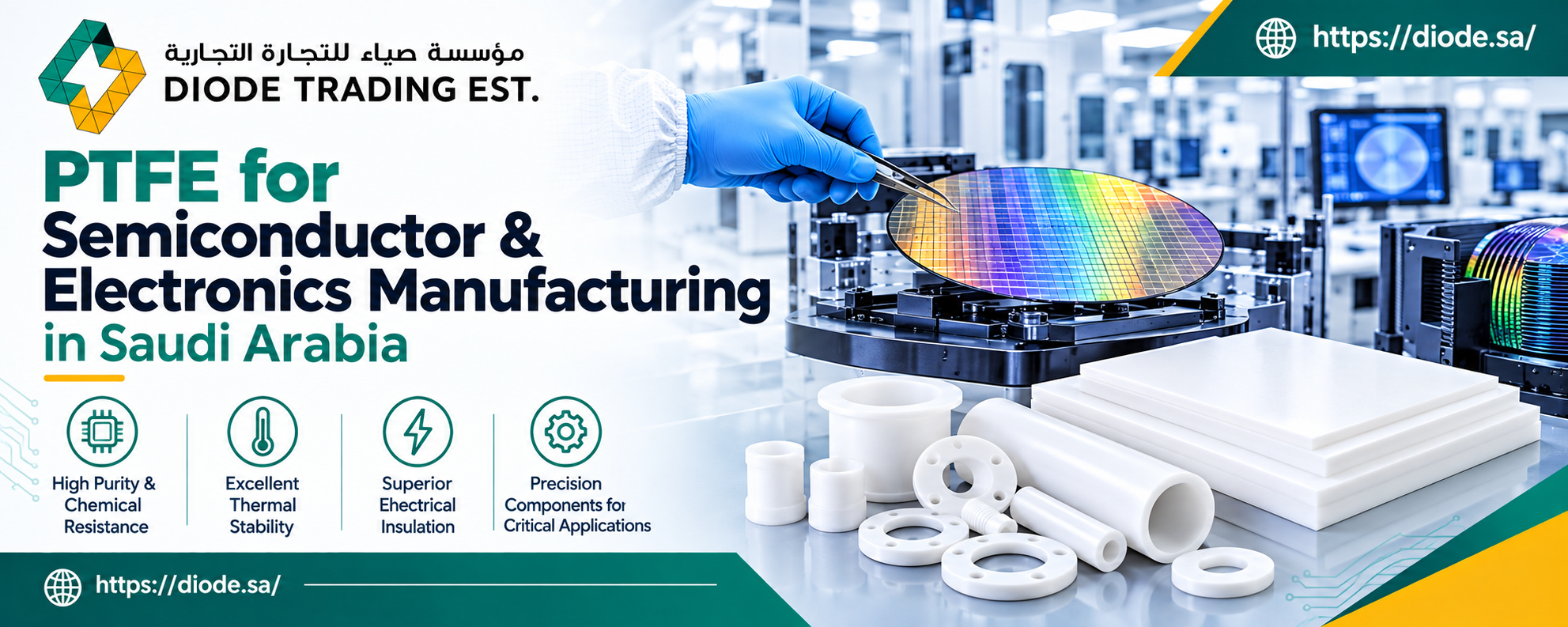 04 October, 2026 | Admin
Semiconductor and electronics manufacturing p
Read more