 16 September, 2026 |
  Admin
Admin
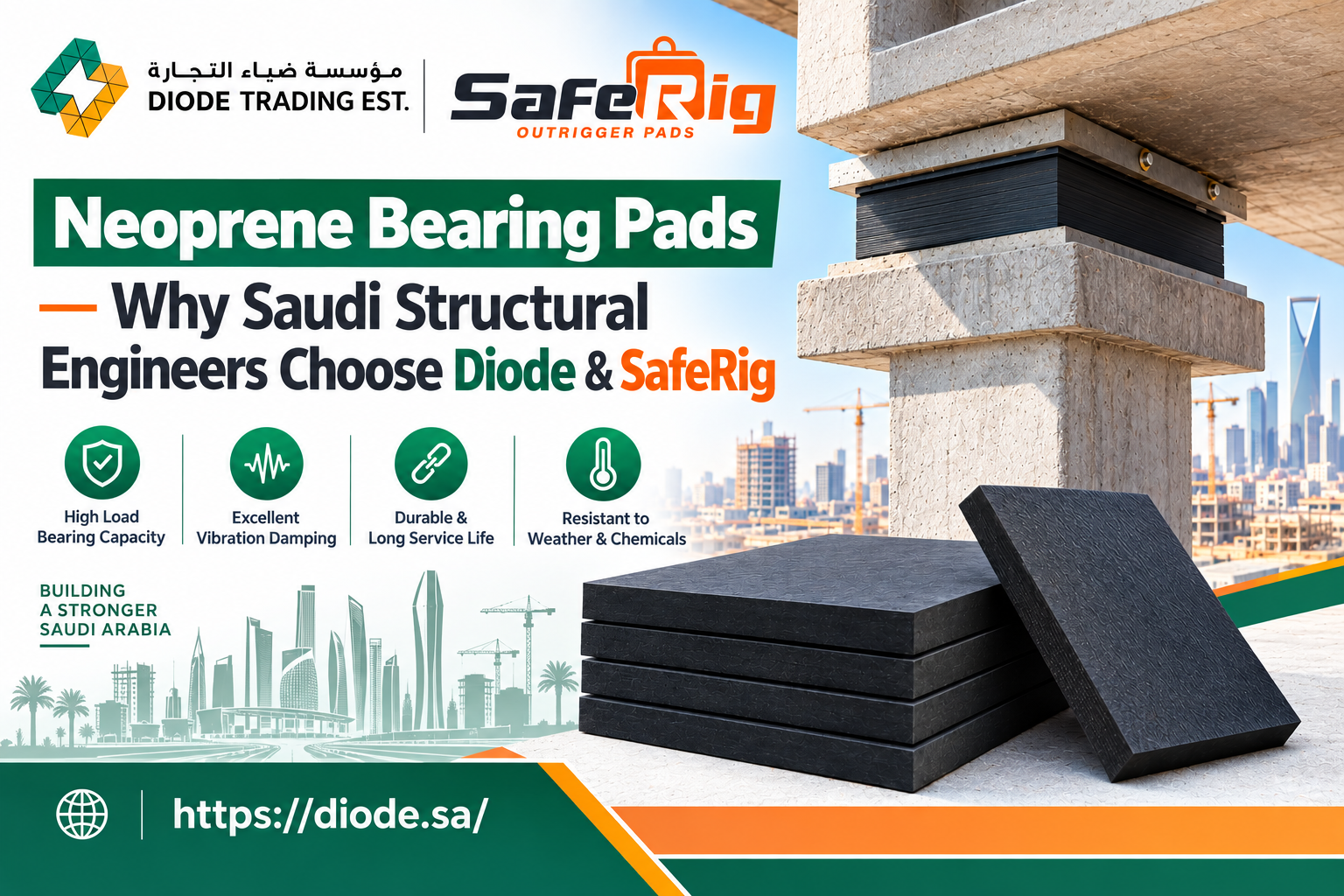
Neoprene Bearing Pads — Why
Bearing pads don't get much attention until a
Read more
 15 September, 2026 | Admin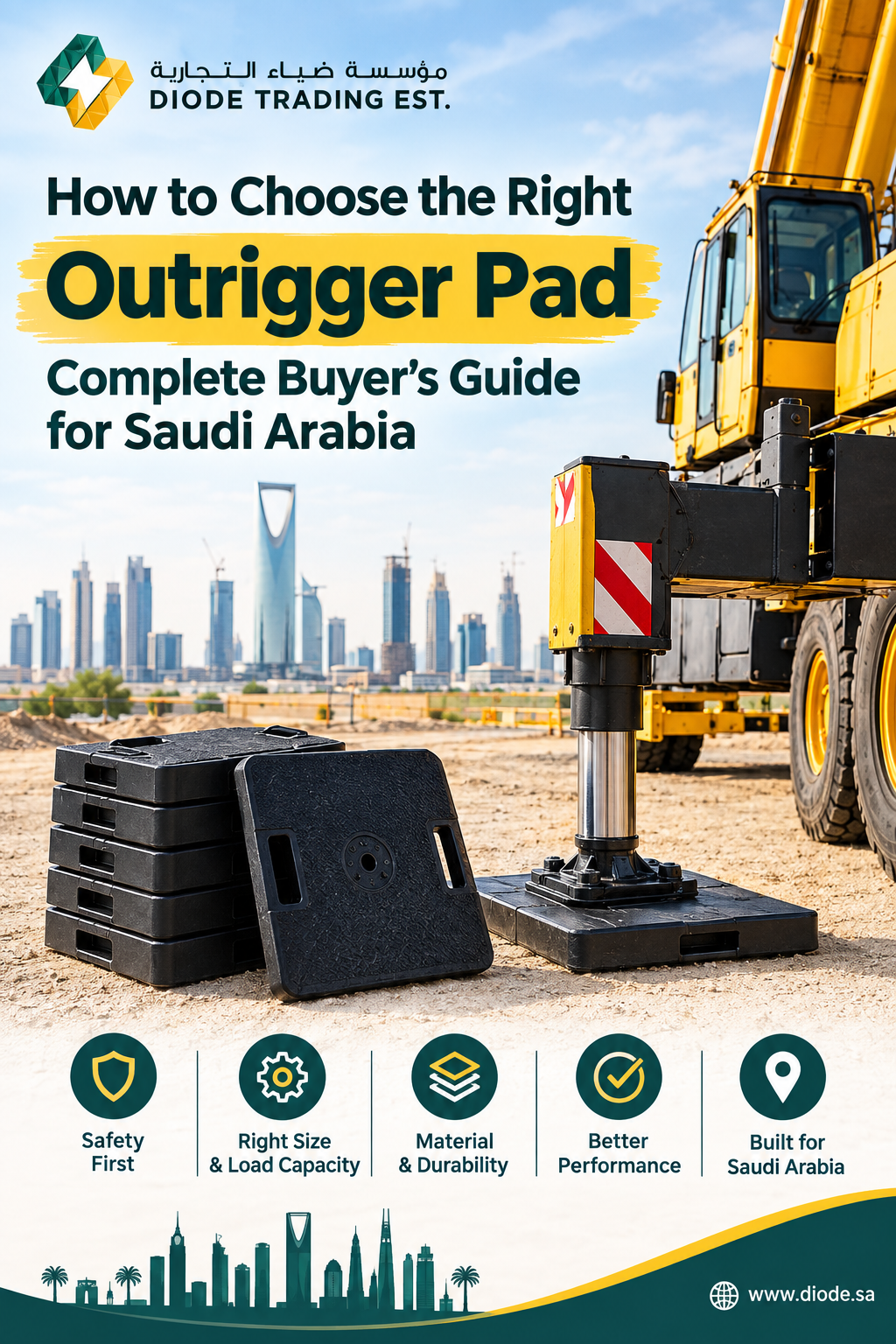
Choosing the wrong outrigger pad is one of those mistakes that doesn’t show up until it’s expensive – a pad that’s undersized settles into soft ground mid-lift, an oversized one wastes money and storage space, and the wrong material fails months earlier than it should. This guide walks through everything that actually matters when selecting an outrigger pad: what they do, what factors drive the decision, and a step-by-step process you can follow for any project.
An outrigger pad is a load-distribution plate placed under a crane, aerial lift, or other equipment’s outrigger or stabilizer leg. Its job is simple in concept: take a concentrated point load and spread it across a wider footprint so the ground underneath doesn’t exceed its safe bearing capacity.
Without one, or with the wrong size, the outrigger can sink into soft or uneven ground mid-operation. That’s not a minor inconvenience – it’s one of the leading causes of crane tip-over incidents, and it’s entirely preventable with correct pad selection.
1. Load – the maximum outrigger reaction force from your equipment’s load chart, not the machine’s total weight. This number changes with boom angle and radius, so use the worst-case figure across your planned working range.
2. Ground condition – rock and compacted aggregate can bear far more pressure per square meter than sand, sabkha, or reclaimed land. The same load needs a much bigger pad footprint on soft ground than on a hard-standing site.
3. Equipment type – mobile cranes, crawler cranes, concrete pumps, and aerial lifts all load their outriggers differently (see our full comparison guides below for material and mat-vs-pad decisions specific to each).
4. Documentation requirements – industrial sites (Aramco, SABIC, and most EPC contractors) expect a Material Test Certificate and a documented load rating before a pad is approved for site use.
UHMWPE, rubber, timber, and steel are the four materials in common use, and each has a genuinely different profile of cost, weight, durability, and load performance. We’ve written a full head-to-head comparison of these – see “UHMWPE vs Timber vs Steel Outrigger Pads” below – but the short version is that UHMWPE has become the default choice for repeat commercial use because it resists heat, chemicals, and repeated loading far better than timber, without steel’s weight and corrosion problems.
| Shape | Why It’s Used | Typical Application |
| Square/rectangular | Most common; matches most outrigger foot shapes directly | Standard mobile crane, pump truck, and aerial lift work |
| Round/circular | Even load distribution in all directions; no corners to catch on uneven ground | Certain crane models, rotating equipment, aesthetic/safety preference |
| Custom shapes | Fabricated to match a specific outrigger footprint or site constraint | Non-standard equipment, tight site access, unusual load points |
1. Pull your equipment’s load chart and identify the maximum outrigger reaction force for the working range you’ll actually use.
2. Determine your site’s ground condition – rock/compacted, compacted fill, sandy/loose, or sabkha/soft/reclaimed. If you’re not sure, treat it as soft ground and oversize; the cost of a slightly bigger pad is trivial compared to the cost of a settlement incident.
3. Use a sizing calculator or the bearing-pressure formula (load ÷ area ≤ ground bearing capacity) to find the minimum required footprint – see our full sizing methodology guide for the complete calculation, or use our free online calculator to get a recommendation in under a minute.
4. Choose a material based on how often you’ll use the pad and what it’ll be exposed to – one-off light use can get away with timber; repeat commercial use on a heat-exposed site should go UHMWPE.
5. Confirm documentation – ask your supplier for a Material Test Certificate and a stated load rating before ordering, especially for Aramco, SABIC, or other documented sites.
Once you know your load and ground condition, our free online sizing calculator will recommend a specific Saferig pad size – square or round – matched against our tested load ratings, in under a minute. It’s a sizing reference, not a substitute for engineering sign-off on critical or unusual lifts.
It depends on your equipment’s maximum outrigger reaction force and your site’s ground bearing capacity. As a starting point, use our free sizing calculator – for a precise answer, see our full sizing methodology guide.
A larger footprint does lower ground bearing pressure, but oversizing has practical downsides too – weight, handling difficulty, and cost. The goal is a pad correctly sized for your specific load and ground condition, not simply the biggest one available.
Not necessarily – many contractors standardize on a mid-to-large pad size that covers their most common equipment, then keep a smaller custom option for lighter jobs. What matters is confirming the pad’s rated capacity covers your heaviest expected load.
You can, but a pad sized for soft ground will be larger than strictly necessary on hard standing – which isn’t a safety problem, just a handling inconvenience. Sizing for your worst-case ground condition is a reasonable, conservative default if you work across varied sites.
See our range of high-visibility safety mats and markers designed to reduce trip hazards across your site.
 16 September, 2026 | Admin
Bearing pads don't get much attention until a
Read more
 15 September, 2026 | Admin
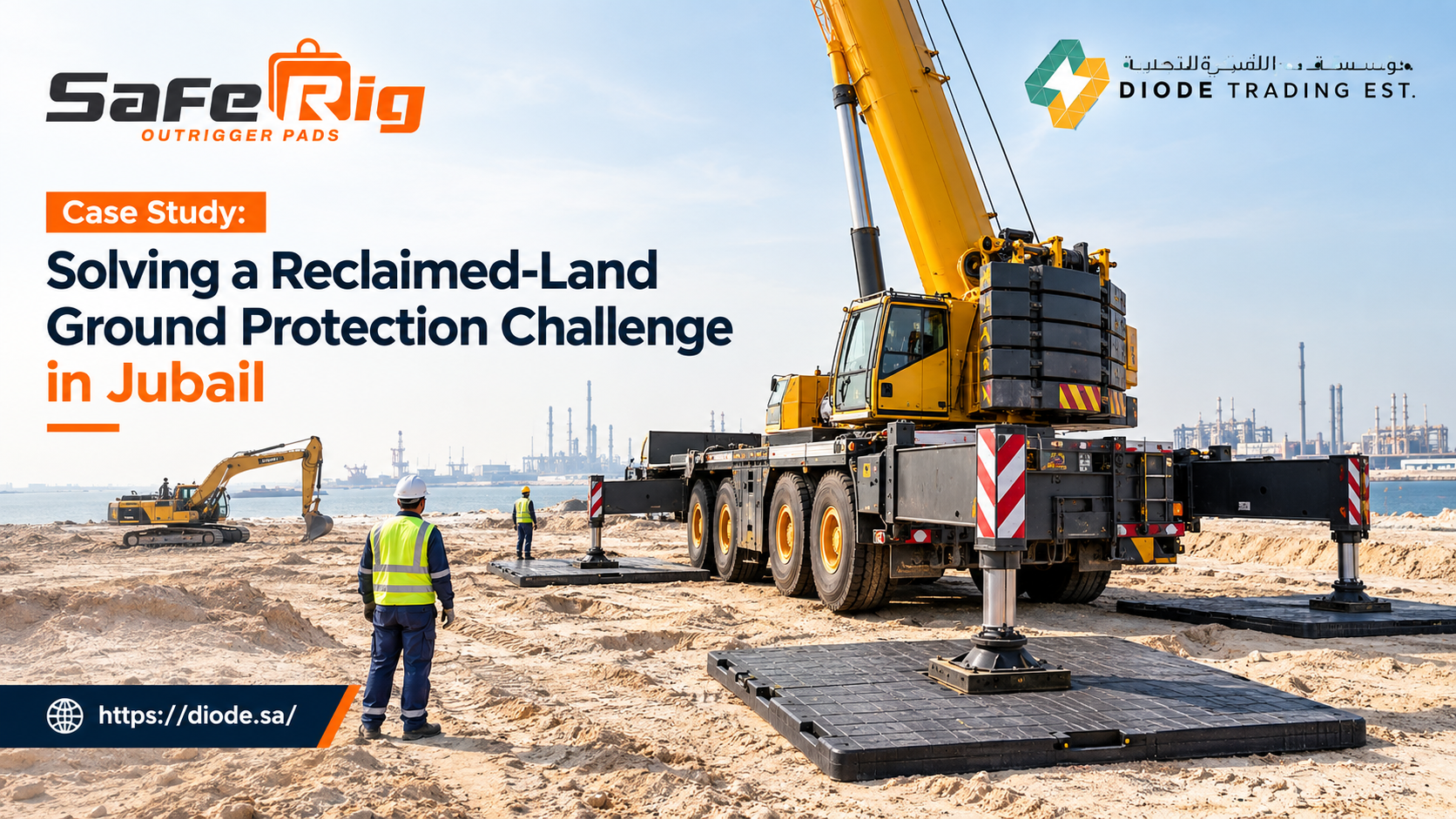
A mid-sized mechanical contractor working on
Read more