 05 October, 2026 |
  Admin
Admin
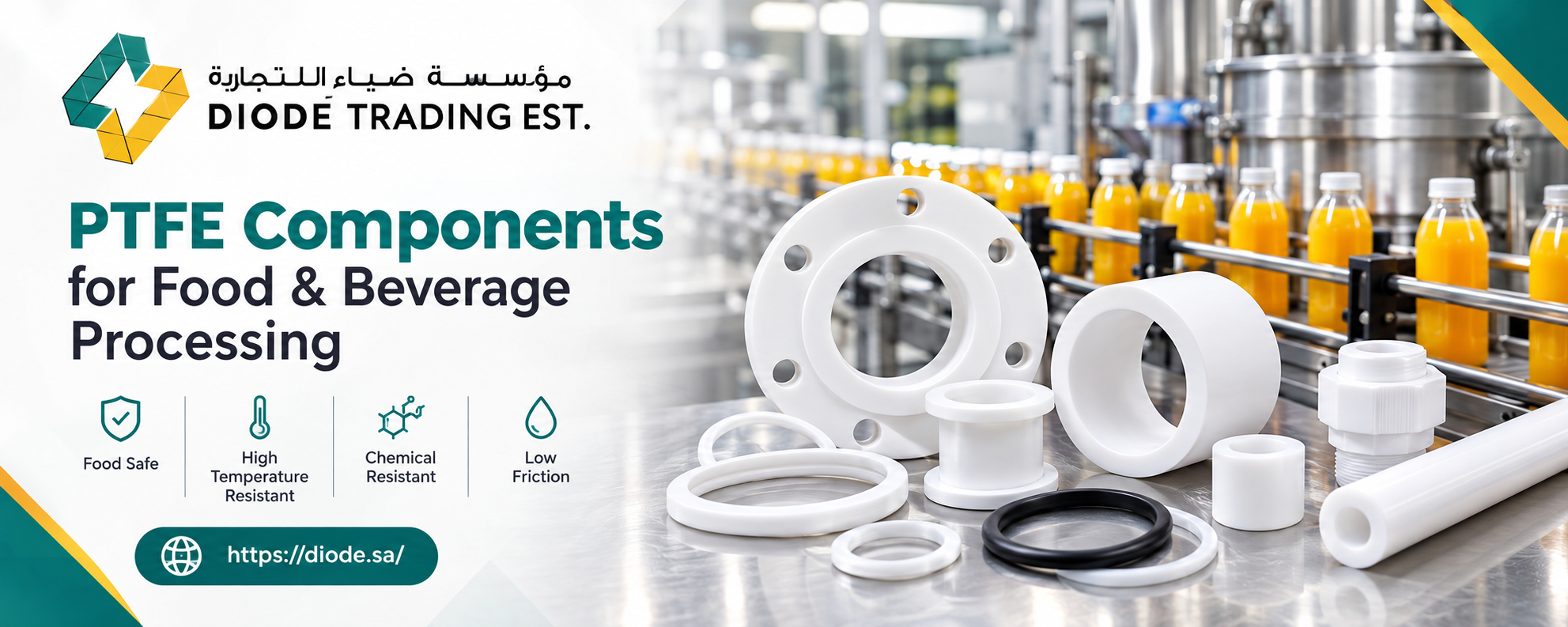
PTFE Components for Food &
Food and beverage processing equipment needs
Read more
Enquire Now
 01 October, 2026 | Admin
Valve internals see some of the toughest duty any PTFE component faces: repeated cycling, direct chemical contact, and a requirement to seal reliably thousands of times over the component's service life. PTFE valve components are a standard choice across chemical, oil and gas, and water treatment valves in Saudi Arabia because of PTFE's low friction and chemical resistance. This guide covers the main parts and how to select the right grade.
Our dedicated page for PTFE valve components lists the parts we can supply and fabricate to your drawings.
Valve seats and seals must seal against aggressive media while keeping operating torque low. PTFE offers broad chemical resistance and a very low coefficient of friction, which helps a ball or stem move smoothly against the seat. These properties make it a common choice where metal-to-metal seats or elastomers would be attacked by the process fluid.
High-cycling valve seats typically benefit from a filled PTFE grade (glass, carbon or bronze, depending on the specific wear and chemical profile) rather than virgin PTFE, since the added wear resistance directly extends service life under repeated actuation.
| Grade | Typical Role in Valves |
|---|---|
| Virgin PTFE | Chemical purity priority, lighter duty seats and seals |
| Glass-filled PTFE | Improved wear resistance for cycling seats and seals; see glass-filled PTFE |
| Carbon-filled PTFE | Wear resistance and reduced deformation under load; see carbon-filled PTFE |
| Bronze-filled PTFE | Wear resistance and compressive strength in demanding duty; see bronze-filled PTFE |
Our virgin vs filled PTFE comparison gives the full breakdown by filler type. Confirm the final choice against the fluid, temperature, pressure and actuation frequency of your valve.
Valve parts depend on exact dimensions, so supply a drawing or the valve manufacturer's part reference where possible. Seats and balls are typically machined from PTFE rod or sheet, and seal materials such as PTFE gland packing and seals and rings complement the seat in a complete valve repair kit.
Using virgin PTFE in a high-cycling application where a filled grade's added wear resistance was needed is a common cause of premature seat wear. Matching the grade to the actual duty cycle matters as much as the base material choice.
It depends on the wear and chemical profile. Glass, carbon and bronze-filled grades each improve wear resistance in different ways, so the process fluid and duty cycle decide.
Yes. Provide drawings, sizes and the grade or service conditions, and we can advise and fabricate to size.
Send your valve drawings, dimensions, service conditions and quantities to our Al Khobar team and we will advise on grade and quote PTFE valve components.
See our range of high-visibility safety mats and markers designed to reduce trip hazards across your site.
 05 October, 2026 | Admin
Food and beverage processing equipment needs
Read more 05 October, 2026 | Admin
Pharmaceutical manufacturing environments dem
Read more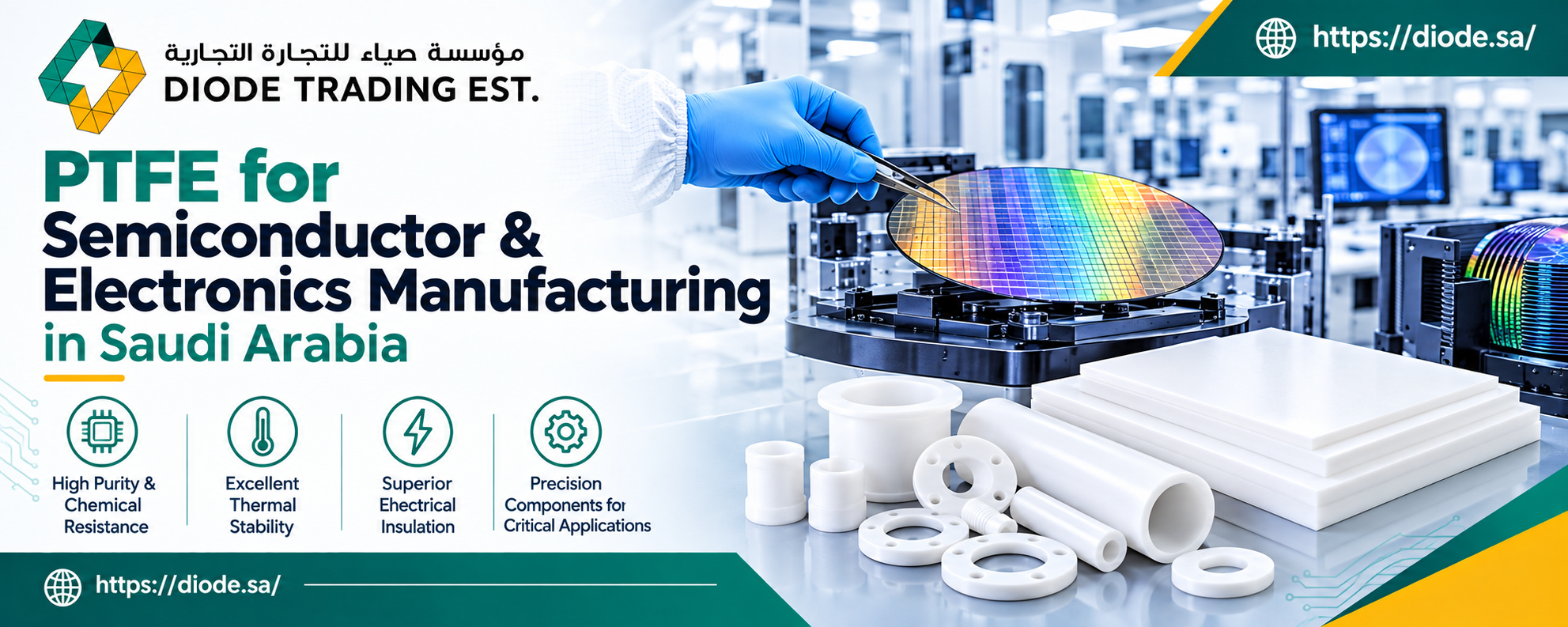 04 October, 2026 | Admin
Semiconductor and electronics manufacturing p
Read more