

 06 October, 2026 |
 Admin
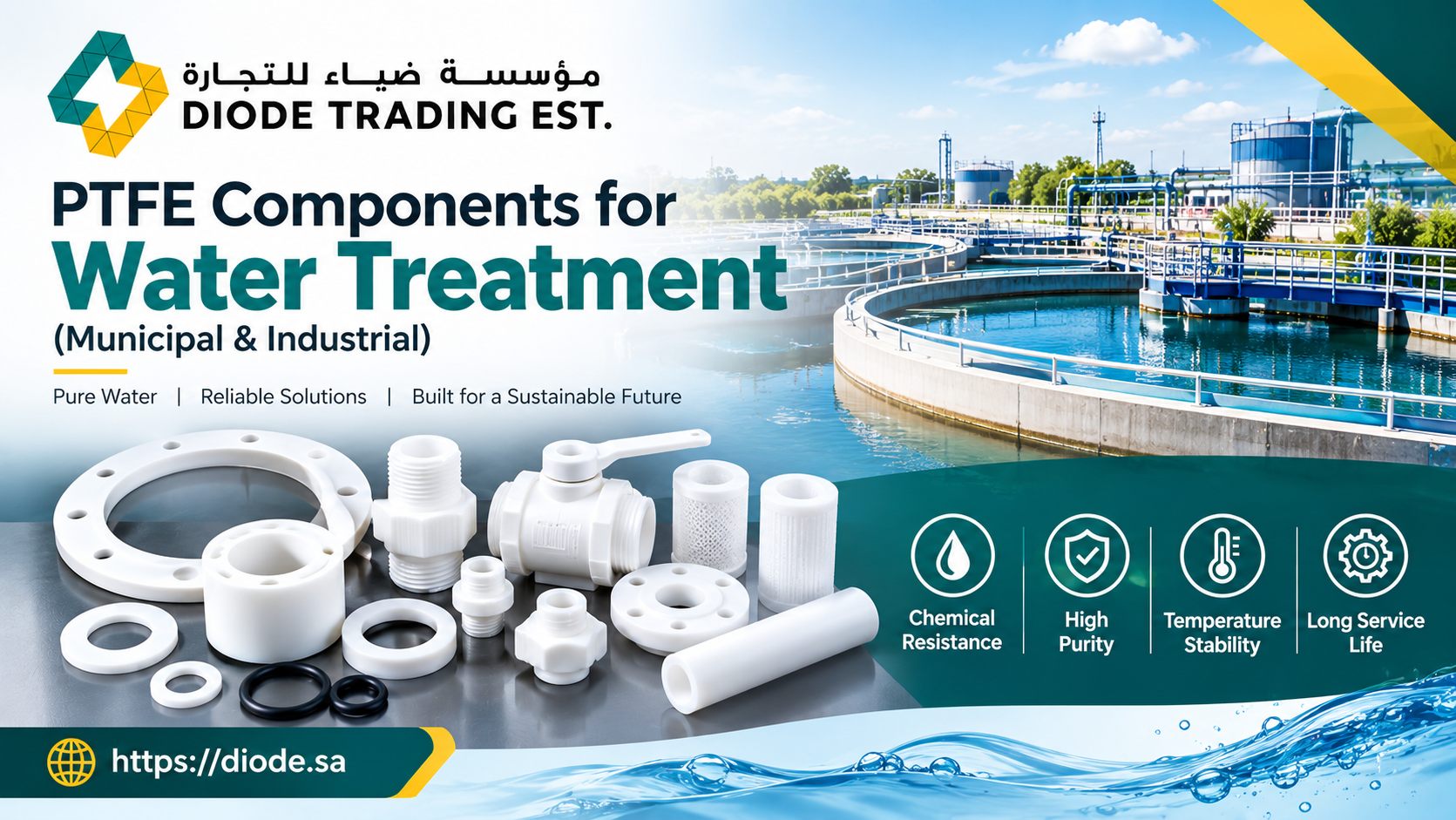
PTFE Components for Water Trea
Water and wastewater treatment systems handle
Read more
Enquire Now
 18 September, 2026 | Admin
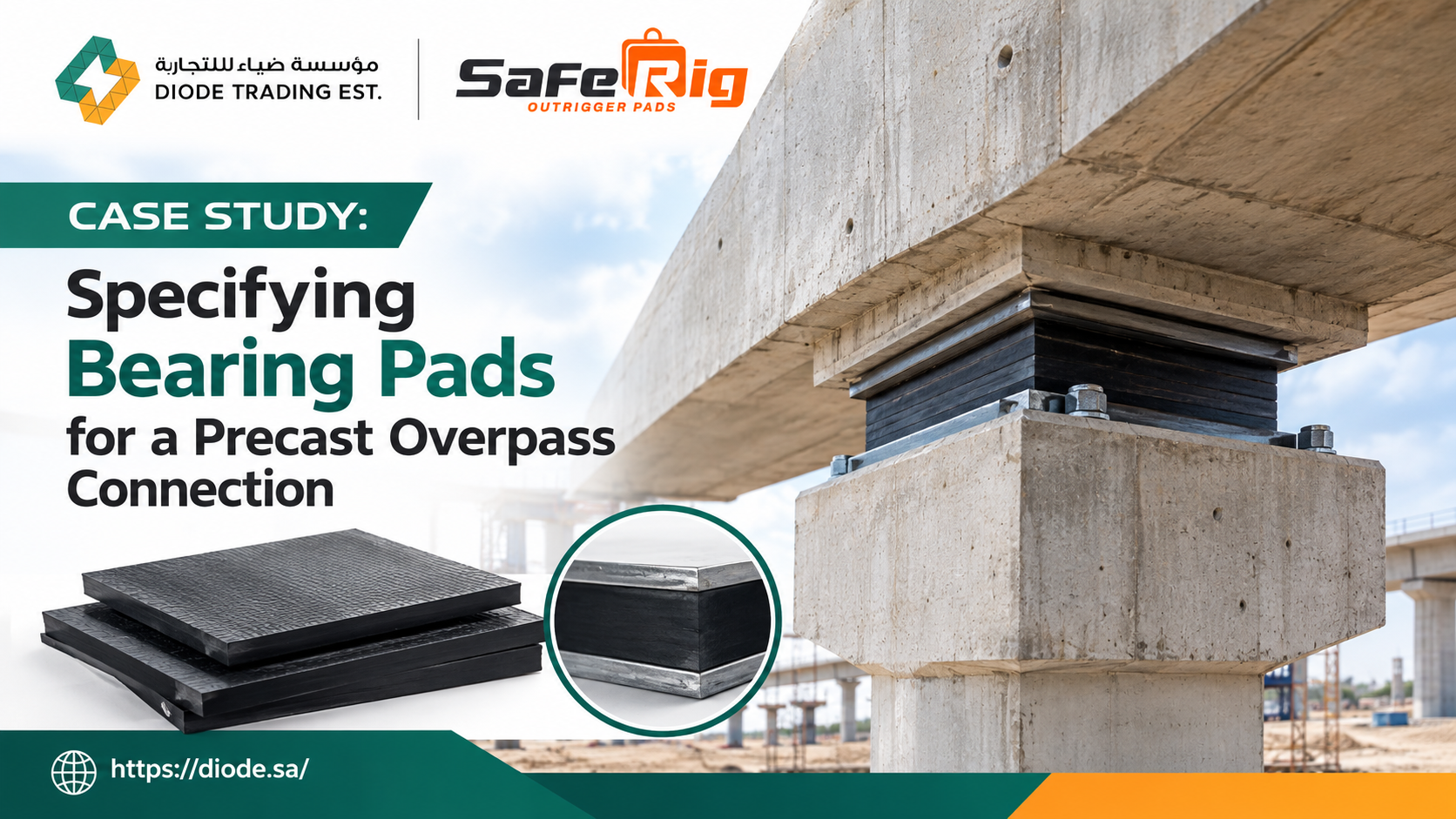
A structural contractor working on a precast overpass connection flagged a concern during design review: the bearing pad originally specified in the drawings didn’t account for the full expected thermal movement range at that particular connection point. It’s a small detail on a drawing set, but one that would have shown up as a maintenance problem years into the structure’s service life if it had gone unnoticed.
The original spec called for a standard plain neoprene pad sized mainly for vertical load, without enough allowance for horizontal thermal movement across the connection’s exposed span.
After reviewing the movement calculations together, a steel-laminated bearing with a wider allowable movement range was specified instead — resisting the vertical load while still accommodating the thermal expansion the original spec had underestimated.
A plain neoprene pad sized only for vertical load is a common default on drawings pulled from a standard template, because vertical load is the easiest number to calculate and the one most engineers check first. Horizontal thermal movement depends on the span’s exposed length, the local temperature range, and the material’s coefficient of thermal expansion — figures that are easy to underestimate or skip entirely if the bearing pad spec was copied from a similar-looking project rather than calculated for this specific connection. On an exposed precast overpass span, that gap between the generic spec and the actual movement requirement is exactly what showed up here.
The revised bearing was installed without further design changes. This kind of gap between a generic pad spec and a connection’s actual movement requirements is common enough that it’s worth a second look at any bearing pad spec pulled from a standard template rather than calculated for the specific structure.
The fastest way to catch a mismatched bearing pad spec before it reaches site is to confirm, at design review, that the bearing’s rated movement range actually covers the connection’s calculated thermal expansion, not just its vertical load rating. For connections with a long exposed span or an unusually wide temperature swing, a steel-laminated elastomeric bearing engineered to the specific movement and load requirements is usually the safer starting point than a standard plain pad. See our bridge bearing pad range for the configurations we manufacture to structural drawings.
A plain neoprene pad is a reasonable choice for shorter spans with limited thermal movement and moderate vertical load, and it costs less than a steel-laminated bearing to manufacture and supply. A steel-laminated elastomeric bearing adds internal steel plates bonded between layers of elastomer, which increases vertical load capacity substantially while still allowing the elastomer layers to flex and accommodate horizontal movement and rotation. The choice between the two isn’t about which is generally “better” — it’s about whether the connection’s actual movement and load profile falls within what a plain pad can handle, or whether it needs the higher capacity and engineered movement allowance a laminated bearing provides.
Precast overpass connections are particularly exposed to the full range of daily and seasonal temperature swings, since the span itself sits above grade with limited shading or thermal buffering compared with an at-grade structure. That exposure is exactly why a bearing pad spec calculated for a sheltered or shorter connection elsewhere on a project doesn’t automatically transfer to an exposed precast overpass span — each connection point deserves its own movement calculation rather than a spec copied from a similar-looking drawing.
See our range of high-visibility safety mats and markers designed to reduce trip hazards across your site.
 06 October, 2026 | Admin
Water and wastewater treatment systems handle
Read more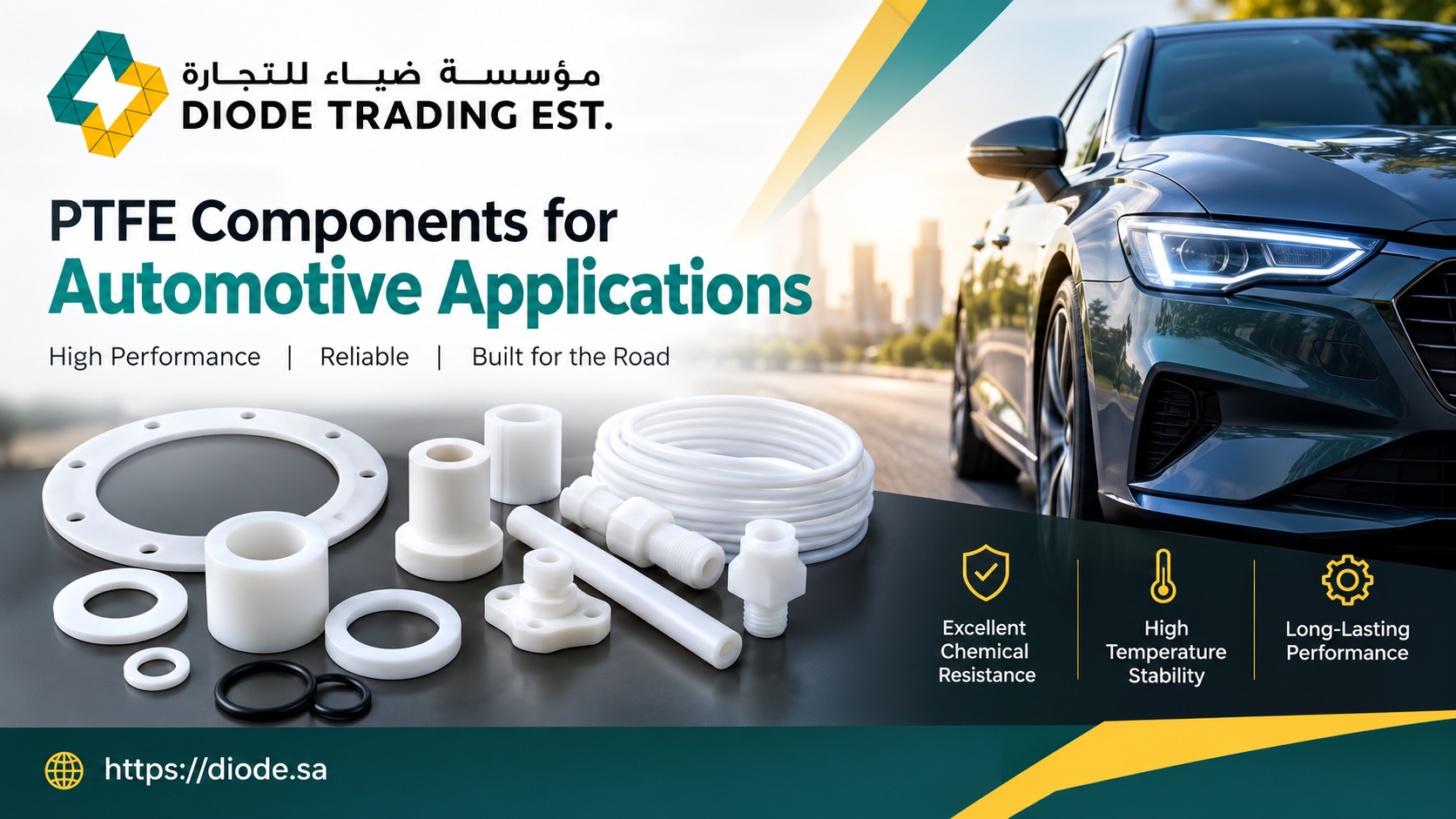 06 October, 2026 | Admin
Automotive applications push materials throug
Read more 05 October, 2026 | Admin
Food and beverage processing equipment needs
Read more