 06 October, 2026 |
 Admin
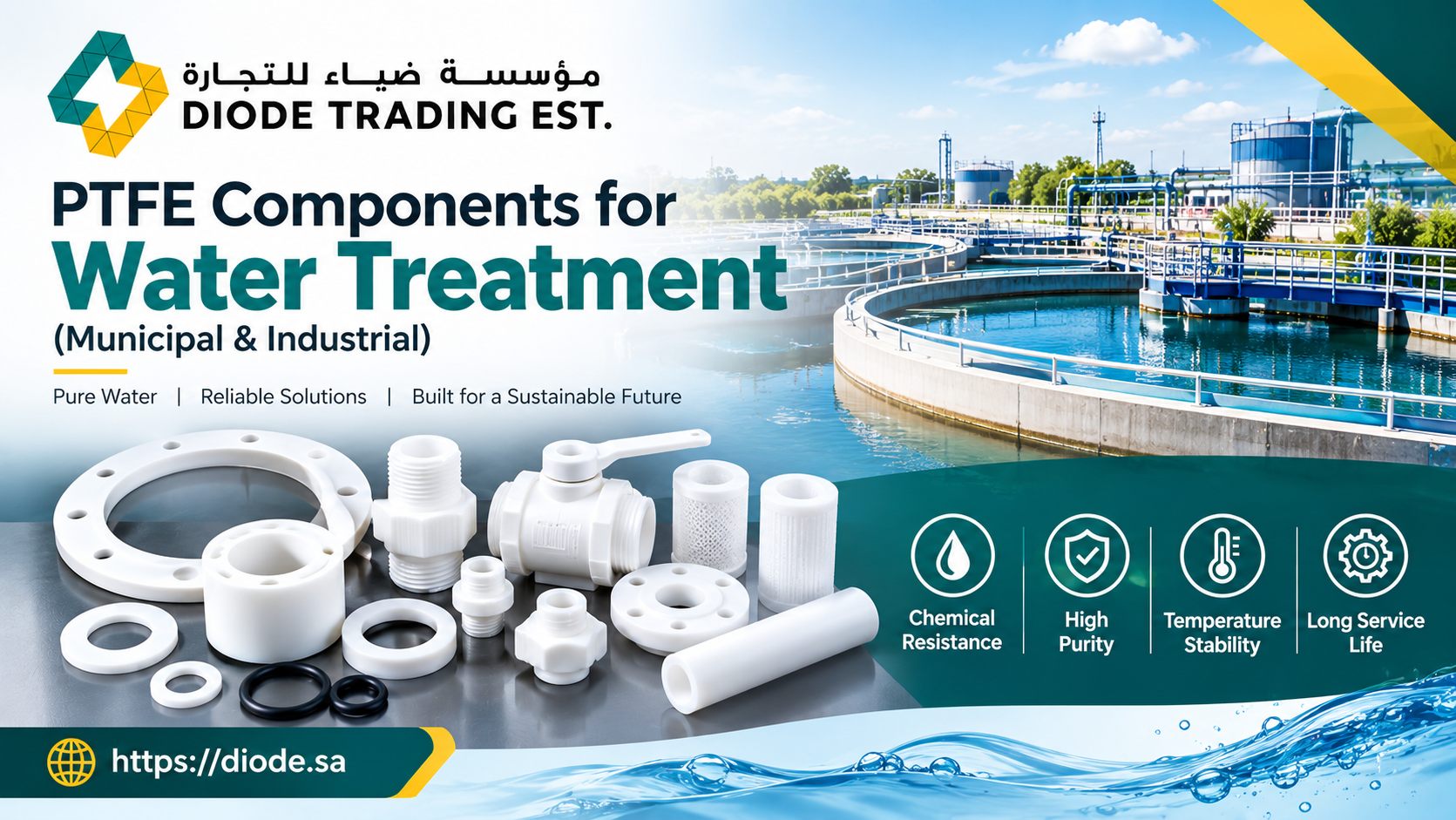
PTFE Components for Water Trea
Water and wastewater treatment systems handle
Read more
Enquire Now
 21 September, 2026 | Admin
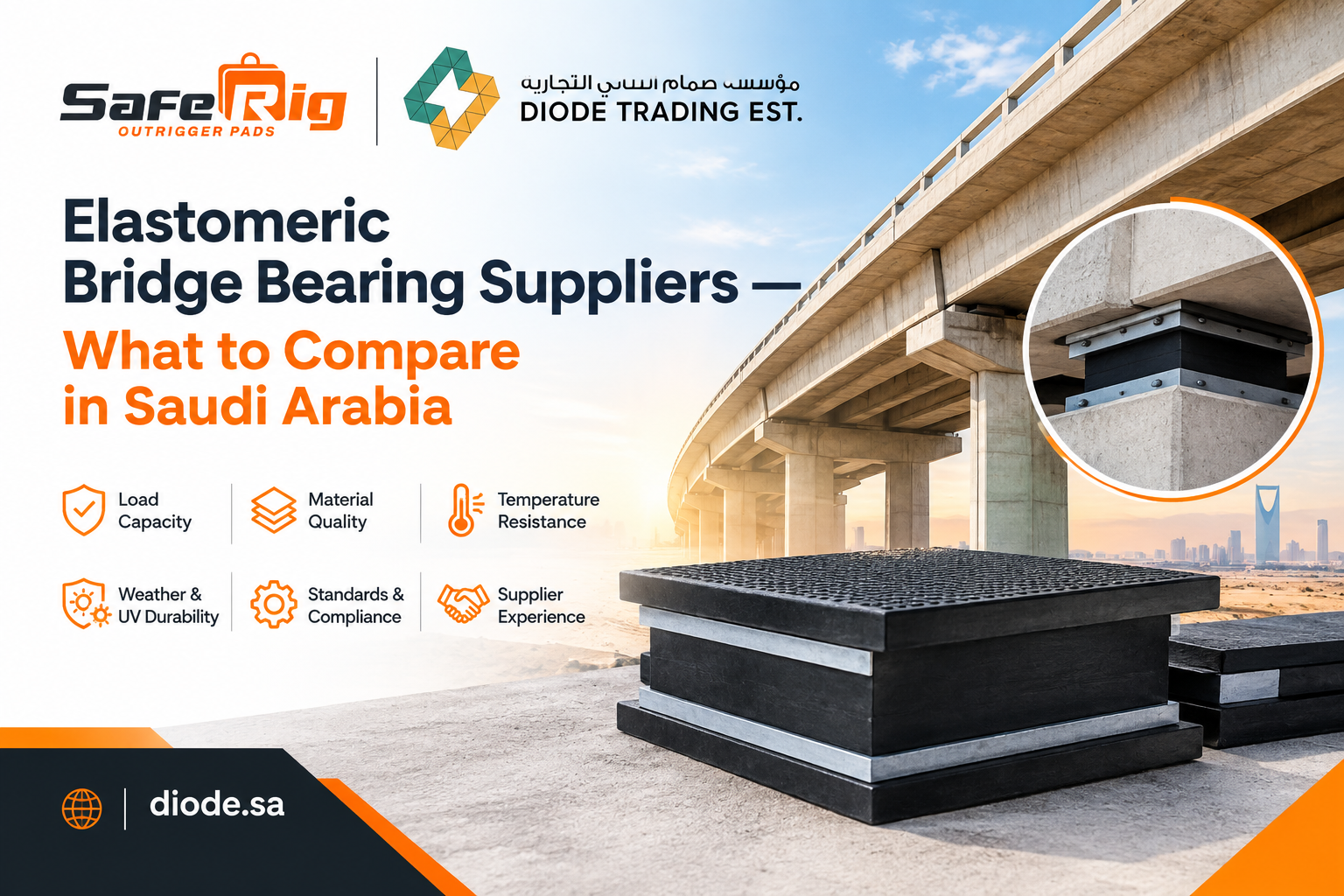
Bridge bearings sit at the intersection of structural engineering and material supply, so the right comparison criteria look more like an engineering procurement checklist than a typical vendor comparison. Here’s what actually separates elastomeric bridge bearing suppliers in Saudi Arabia once you get past the price sheet. That distinction matters most on infrastructure projects, where a bearing failure is far costlier to remediate than the price difference between suppliers ever was.
A bridge bearing transfers structural load between the superstructure and the substructure while accommodating movement from thermal expansion, traffic loading, and in some cases seismic activity. Getting the elastomer compound, durometer, and steel-lamination configuration wrong isn’t a minor spec miss — it can mean a bearing that doesn’t perform as the structural engineer calculated, with consequences that only show up years into the structure’s service life. That’s why comparing suppliers on price alone misses the point: the bearing has to match the engineering, not the other way around.
Before shortlisting a supplier, confirm they can manufacture to the project’s specific load, movement, and rotation requirements rather than offering only a fixed catalog of standard sizes. Ask what elastomer compounds and durometer ranges they offer, whether their steel-lamination process is suited to the load class of the span in question, and whether they test and document each batch against a recognized standard such as AASHTO M251 or the equivalent used on the project. A supplier that can’t answer these clearly, or that pushes back toward “our standard product” regardless of the project’s engineering, isn’t set up to supply infrastructure-grade bearings.
Diode Trading EST supplies elastomeric bridge bearing pads engineered to project-specific structural drawings for infrastructure work across Saudi Arabia, including multi-span overpass projects where several different bearing configurations are needed on a single structure. See our elastomeric bridge bearing pad range for the specifications we manufacture to, or read a recent bridge bearing supply case study for how this plays out on an active project. These aren’t box-ticking questions — the answers are usually a fast way to tell whether a supplier is set up to manufacture against a structural spec or is simply reselling a standard catalog item under the same name.
Beyond engineering fit, bridge bearing supply on an active infrastructure project usually runs on a tight construction schedule, so lead time and the ability to supply multiple bearing configurations for one project without delaying the pour or erection sequence is a practical comparison point as well as a technical one. A supplier manufacturing locally in Saudi Arabia can usually turn around project-specific bearing configurations faster than one importing every order, which matters when a bearing schedule changes late in design or when a project needs several different sizes and durometers delivered together.
The most useful way to compare elastomeric bridge bearing suppliers is to send the same structural drawing or bearing schedule to each one and compare not just the quoted price, but how each supplier responds: do they ask clarifying questions about load, movement, and rotation, do they propose a compound and lamination suited to the spec, and can they document testing against the applicable standard. A supplier that treats every bearing as a standard product, regardless of what the drawing calls for, is the wrong fit for infrastructure-grade work, no matter how competitive the price looks on paper.
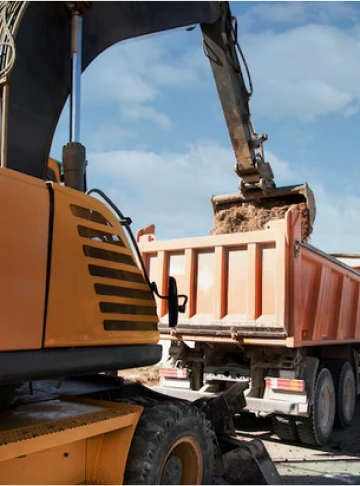
See our range of high-visibility safety mats and markers designed to reduce trip hazards across your site.
 06 October, 2026 | Admin
Water and wastewater treatment systems handle
Read more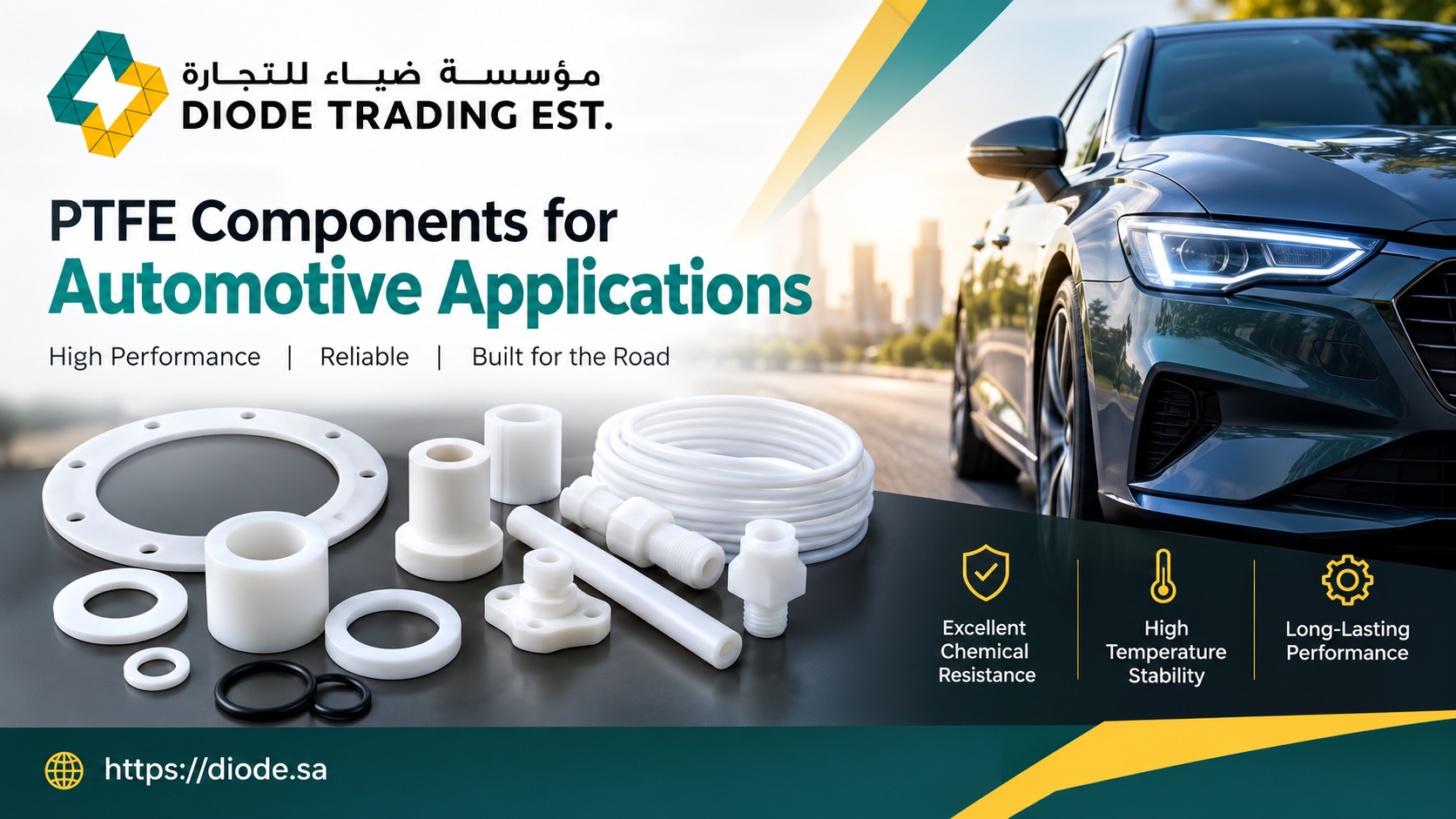 06 October, 2026 | Admin
Automotive applications push materials throug
Read more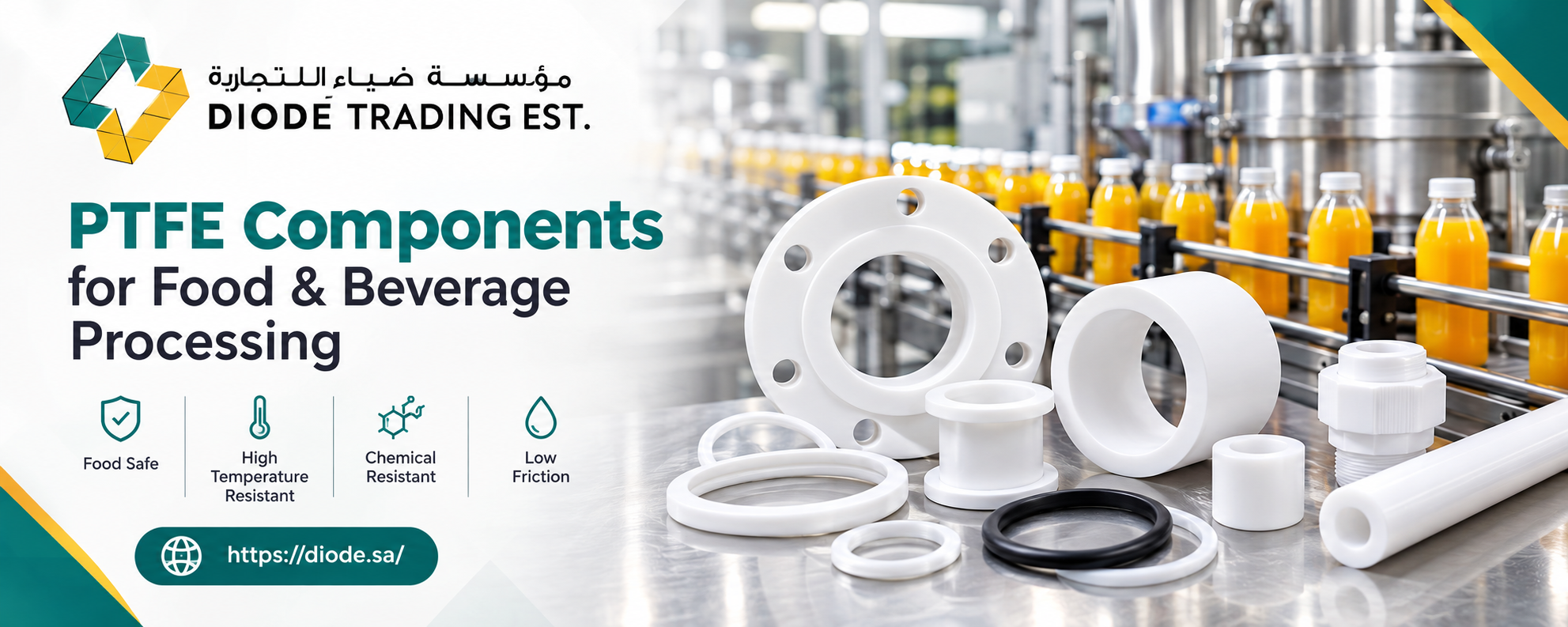 05 October, 2026 | Admin
Food and beverage processing equipment needs
Read more