Exploring the Common Causes of Industrial Seal Failures in Manufacturing
 20 August, 2026 |
  Admin
Admin
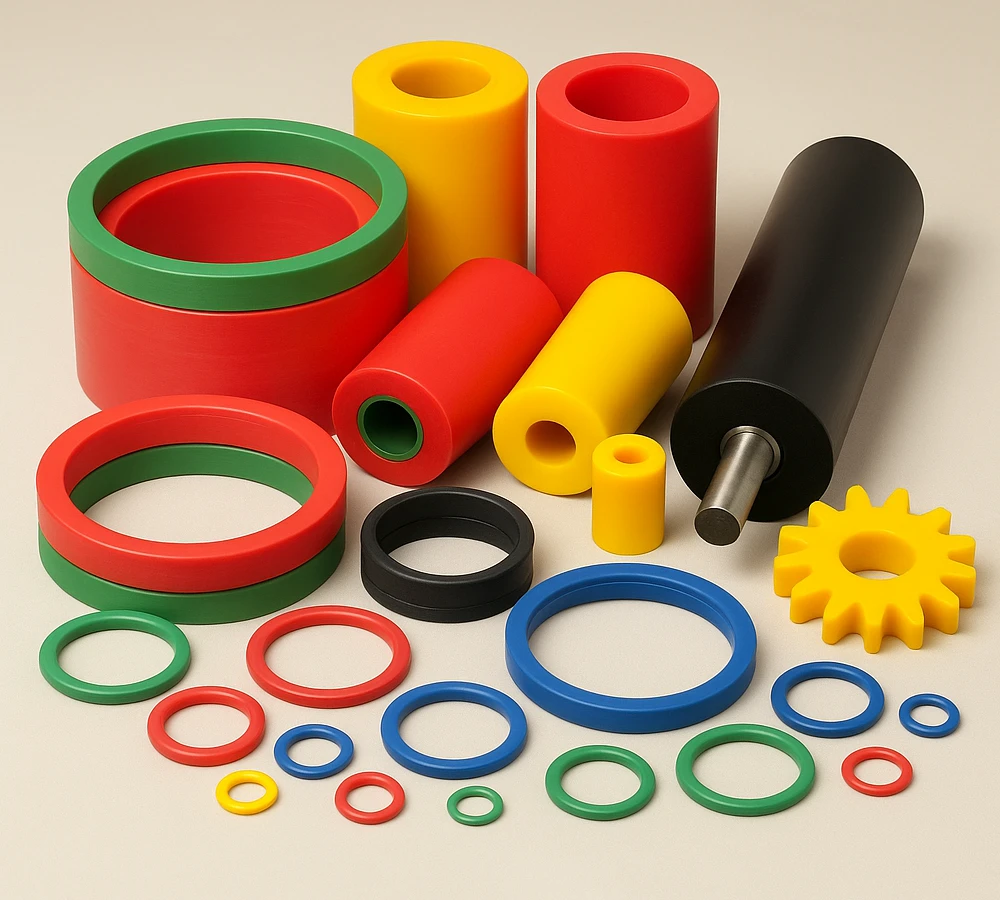
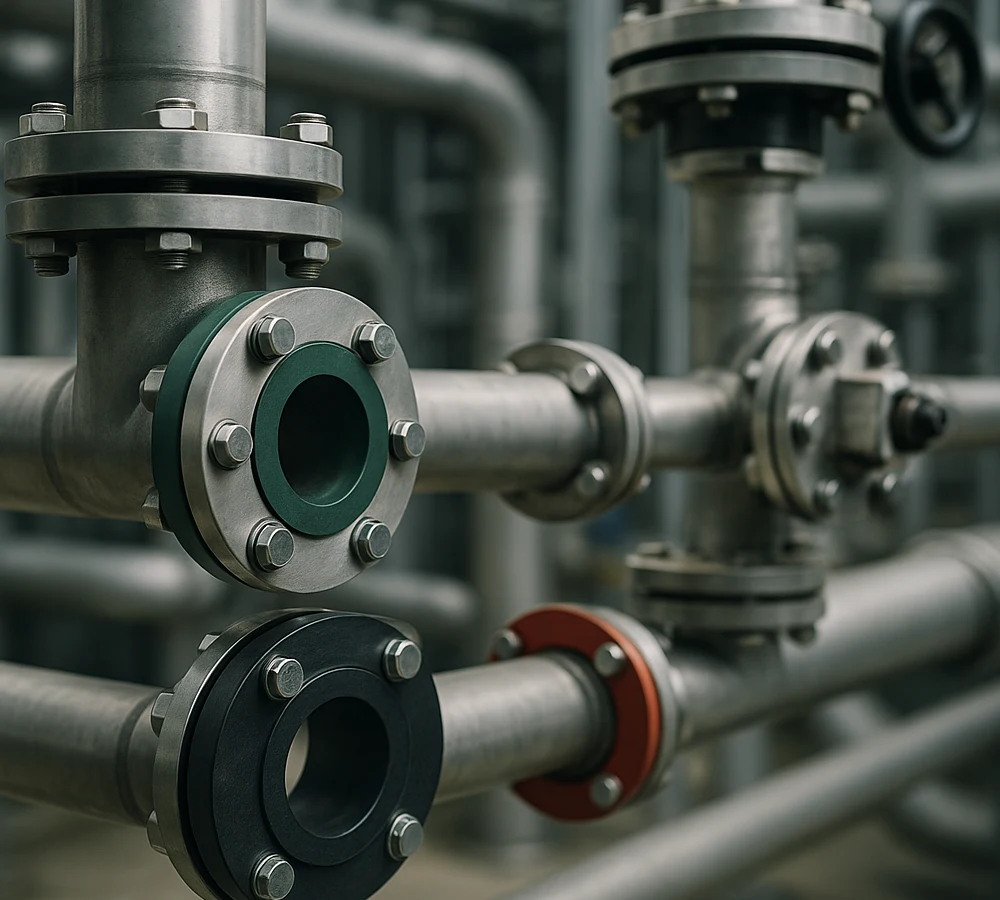
Understanding the most common industrial seal failure causes is the first step toward preventing them. Industrial seals may be small components, but their role in manufacturing is anything but minor. They ensure that there are no leaks, increase efficiency in the process, and keep the machines safe from pollution and wear and tear. Utilization of high-quality PTFE parts for chemical and petrochemical industries would be beneficial to the performance of the seals.
Failure of industrial seals can result in unplanned downtime, increased cost of maintenance, and decreased productivity. Understanding the various causes of these failures allows manufacturers to take preventative action before small issues become expensive ones. Proper material, installation, and maintenance will enable the industrial seal to operate efficiently and effectively.
Various Common Causes of Industrial Seal Failures in Manufacturing
Failure of industrial seals may interfere with manufacturing operations and increase the cost of maintenance. Determining the reasons behind this problem is crucial to enhance efficiency.
- Choosing the wrong seal material
Not every seal functions well in every environment. Materials that work great in a water-based system can perform badly in the presence of harsh chemicals and high temperatures. Selecting the right seal material for the application is very important as it will determine the performance and longevity of the material.
- Using the right materials for demanding industries
The oil, gas, and chemicals industry needs high-quality sealants that operate under extreme conditions. Materials such as PTFE for the oil and gas industry in Saudi Arabia have an advantage due to their exceptional resistance to chemicals, low coefficient of friction, and ability to work in tough conditions.
- Excessive operating temperatures
Heat is an important factor that poses a great danger to seals in manufacturing processes, especially if there are temperatures beyond the recommended ones by the manufacturer. Heat may make the seal material either harden or become soft, and even change its shape, making the seals ineffective in doing their jobs.
- Chemical compatibility issues
In the industry, the operator will be handling chemicals that could deteriorate the quality of sealing compounds. In cases where the sealants do not have compatibility with the chemicals, there is a likelihood of swelling, cracking, and loss of strength. It is therefore important that the seals selected are durable in the chemical environment. By selecting the right sealing materials, manufacturers can lower the chances of early failures and avoid the costly unexpected repairs.
- Equipment misalignment
A well-designed seal cannot fix problems caused by poorly aligned equipment. If there is misalignment of the shafts and rotating components, it will lead to imbalance and hence uneven distribution of the load on the seal. Uneven load distribution will cause faster wear at certain points of the seal. Therefore, there will be some sections of the seal that will wear out faster compared to the others, thus limiting the efficiency of the seal. It is therefore important to align the components such that the seal is not under any loads.
Preventing Industrial Seal Failure Causes Through Regular Inspection
Most of the industrial seal failure causes above share one trait: they develop gradually before they cause an unplanned stoppage. A scheduled inspection program that checks for surface tackiness, hardening, visible swelling, or early leakage catches these warning signs while a seal replacement is still a planned maintenance task rather than an emergency shutdown. Pairing the right material selection with a realistic inspection interval is usually more cost-effective than specifying a premium seal and then never checking on it.
Conclusion
Industrial seal failure seldom occurs due to just one reason. Rather, it is likely to occur due to a variety of reasons including wrong material choice, improper installation, extreme environmental conditions, and poor maintenance. With knowledge of the common reasons behind industrial seal failure, manufacturers can take precautionary measures to prolong the lifespan of the machinery.
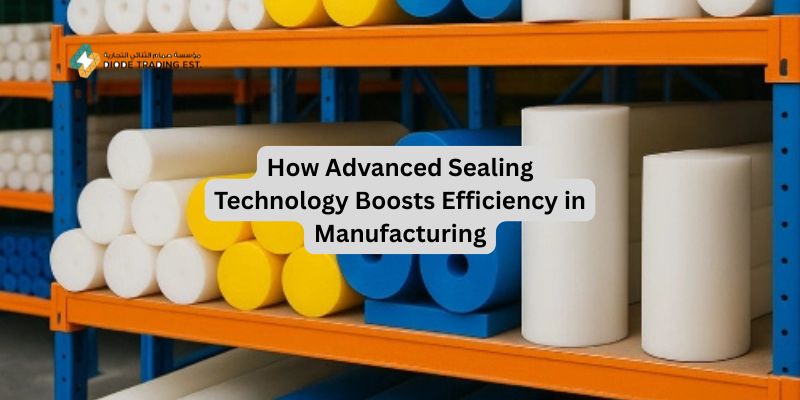
Preventing Industrial Seal Failure Causes
Tracking industrial seal failure causes on a per-machine basis helps maintenance teams spot a pattern before it becomes a costly unplanned shutdown. Keeping a simple log of industrial seal failure causes by equipment type also makes it easier to plan preventive replacement schedules.
Recent Posts

High Visibility Reduce Trip Hazards
See our range of high-visibility safety mats and markers designed to reduce trip hazards across your site.
Related Blogs