
 05 October, 2026 |
  Admin
Admin
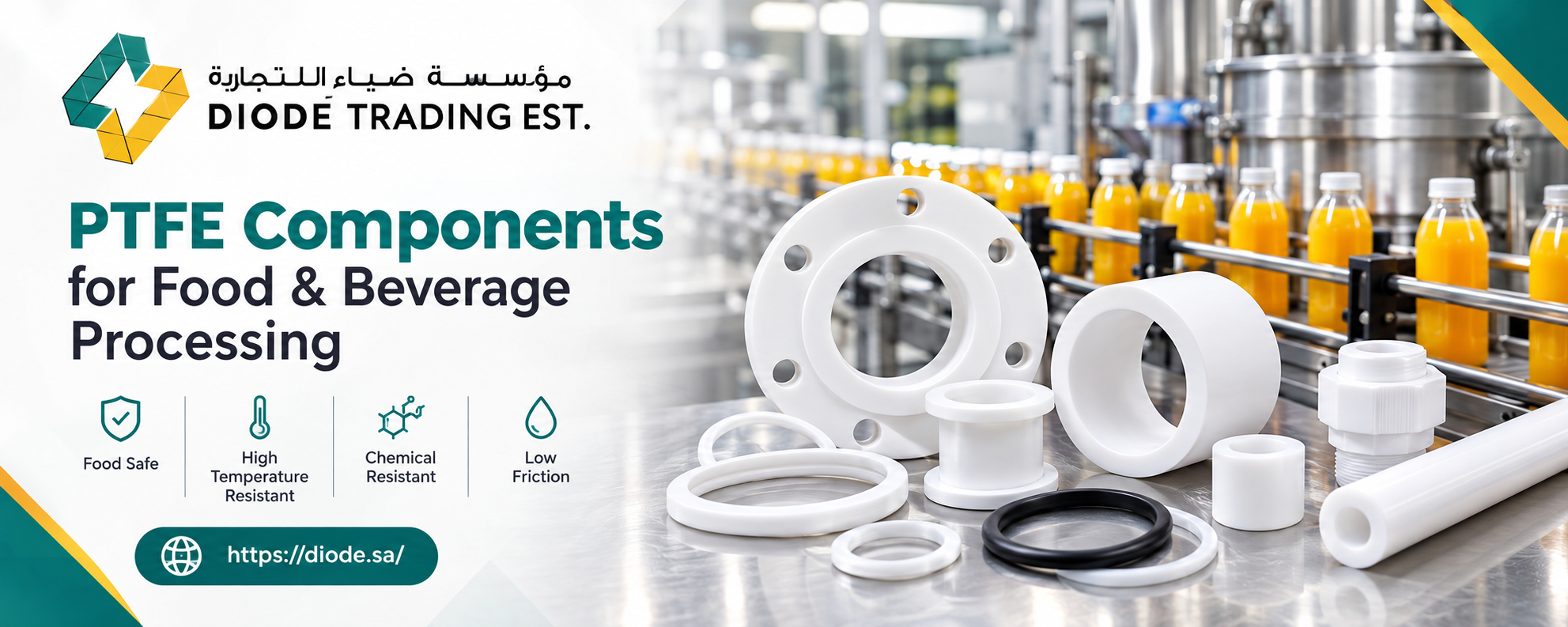
PTFE Components for Food &
Food and beverage processing equipment needs
Read more
Enquire Now
 02 October, 2026 | Admin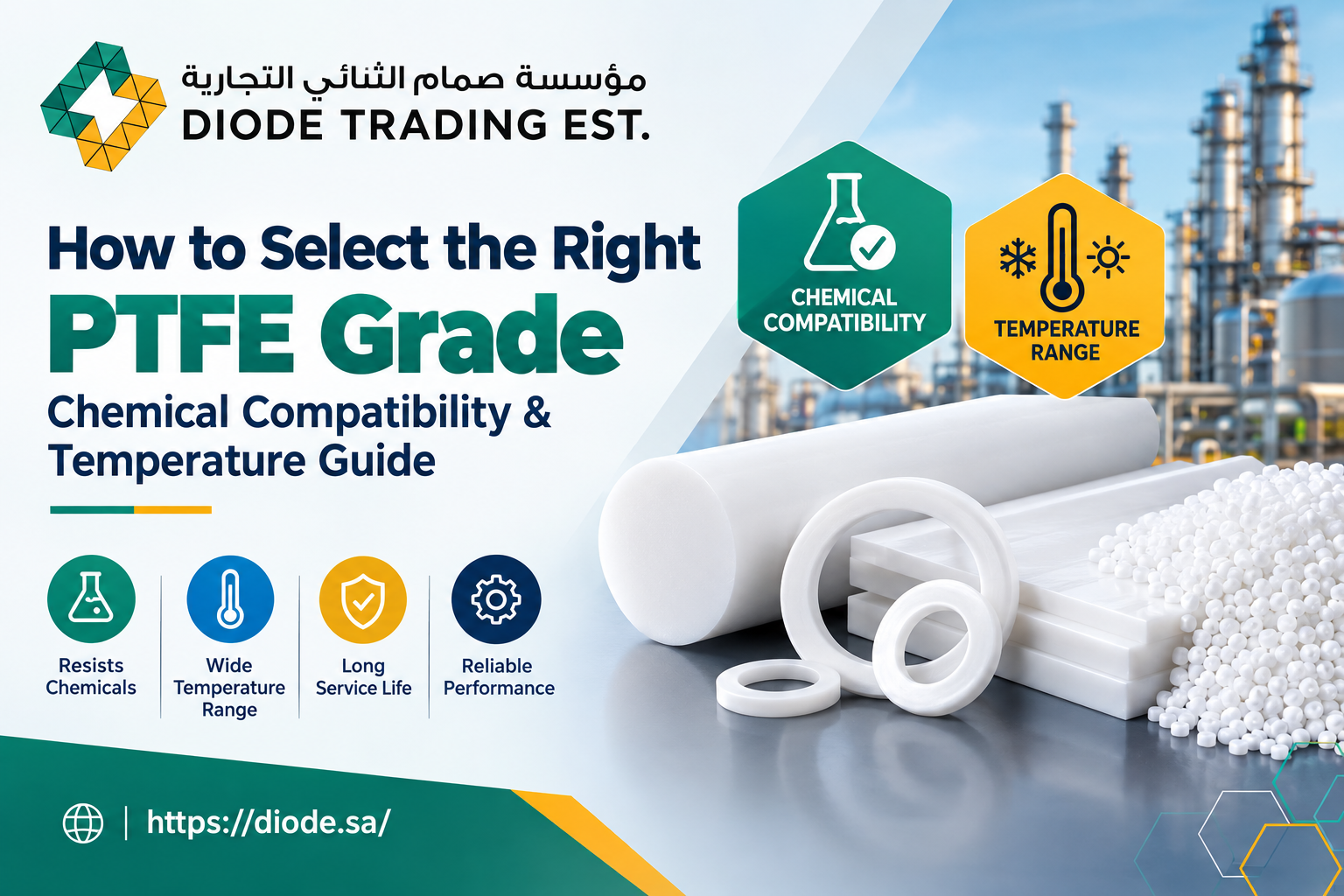
Selecting the right PTFE grade for a chemical process application comes down to two questions in sequence: is PTFE chemically compatible with this specific fluid at this specific temperature, and does the mechanical application (static seal vs. dynamic wear) call for virgin or a filled grade. This guide walks through both.
PTFE resists the overwhelming majority of industrial chemicals, which is exactly why it’s the default choice when compatibility is uncertain. ptfe gaskets seals supplier The table below gives a general reference for common categories – always confirm against your exact chemical, concentration, and temperature with a manufacturer compatibility chart before finalizing a spec for a critical application.
| Chemical Category | PTFE Compatibility | Notes |
| Strong acids (sulfuric, hydrochloric, nitric) | Excellent | PTFE is a standard choice for strong acid service |
| Strong alkalis / caustics | Excellent | Resistant across typical concentrations and temperatures |
| Organic solvents (most) | Excellent | One of PTFE’s strongest use cases |
| Hydrocarbons / fuels | Excellent | Common in oil & gas gasket and seal applications |
| Molten alkali metals | Poor | One of the few genuine PTFE incompatibilities – rare in general industry |
| Elemental fluorine gas at high temperature | Poor | Specialized/rare exposure case |
PTFE’s standard service range runs roughly -200C to +260C, but the practical ceiling for a specific application depends on the combination of temperature and pressure, and whether the exposure is continuous or intermittent. As temperature approaches the upper end of the range, mechanical properties like compressive strength decline even though chemical resistance remains strong – this is where grade selection (Step 3) starts to matter more.
Once chemical and temperature compatibility are confirmed, the remaining decision is mechanical: static seals under purity-sensitive conditions favor virgin PTFE; components under continuous mechanical wear or compression favor a filled grade. Ptfe Grades Guide See our full Virgin vs Filled PTFE comparison for the detailed breakdown by filler type.
• Assuming ‘PTFE resists everything’ without checking the small number of genuine exceptions relevant to specialized processes
• Specifying virgin PTFE for a continuous dynamic wear application where a filled grade would last significantly longer
• Not accounting for combined temperature and pressure – a chemical/temperature combination that’s fine at atmospheric pressure may behave differently under process
pressure
• Reusing a PTFE gasket after removal – most PTFE gaskets take a compression set and should be replaced, not reinstalled
For critical process applications – high-pressure systems, hazardous chemical service, or anywhere a seal failure has serious safety or environmental consequences – treat this guide as a starting reference, not a final specification. Confirm compatibility with the material manufacturer’s detailed chemical resistance chart for your exact fluid, concentration, and temperature, and get engineering sign-off before finalizing critical specifications.
Above its rated continuous service temperature, PTFE can begin to degrade and, at very high temperatures, release fumes that are hazardous to inhale. Operating within the rated range with an appropriate safety margin is important, particularly in enclosed or poorly ventilated spaces.

See our range of high-visibility safety mats and markers designed to reduce trip hazards across your site.
 05 October, 2026 | Admin
Food and beverage processing equipment needs
Read more 05 October, 2026 | Admin
Pharmaceutical manufacturing environments dem
Read more 04 October, 2026 | Admin
Semiconductor and electronics manufacturing p
Read more